
“…If you want to thrill someone, first try to feel the same emotions you desire to awake…” .
Roberto Cipresso, international winemaker of Montalcino
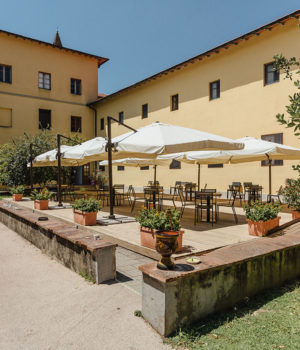
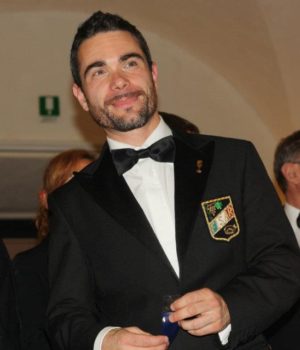
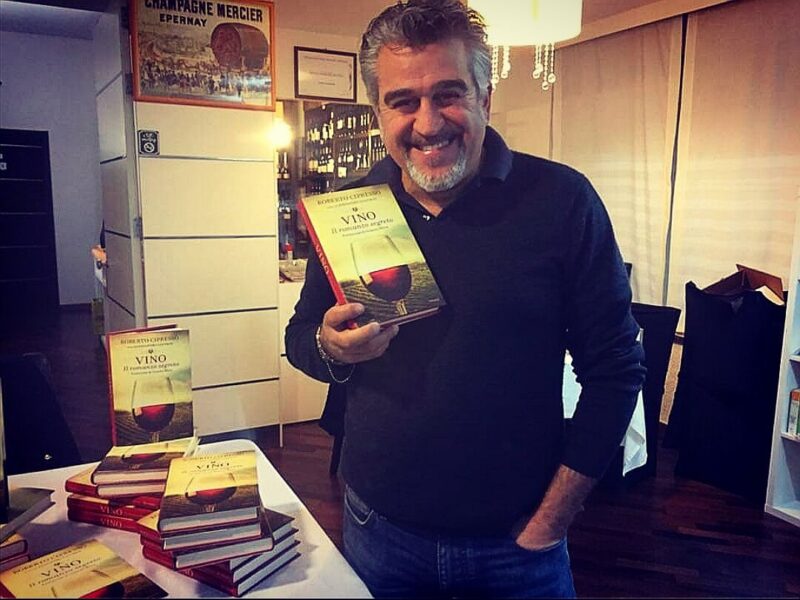
Scanning across the bookshelves in my flat, it dawns on me that my collection falls into three categories: wine, food and travel! The three passions that form the main plot of ‘Wine, the secret Novel‘ , a book written by Roberto Cipresso. Roberto Cipresso presented his outstanding work at ‘Nautilius‘ , an elegant restaurant by the sea and close to Pisa .
It was an unforgettable event that allowed me to meet one of the most important winemaker in Italy, Roberto Cipresso . He is a special person, as well as a great wine entrepreneur. From his base in Montalcino, Tuscany, he has changed winemaking worldwide. How? Read his incredible story, and you will find the answer!
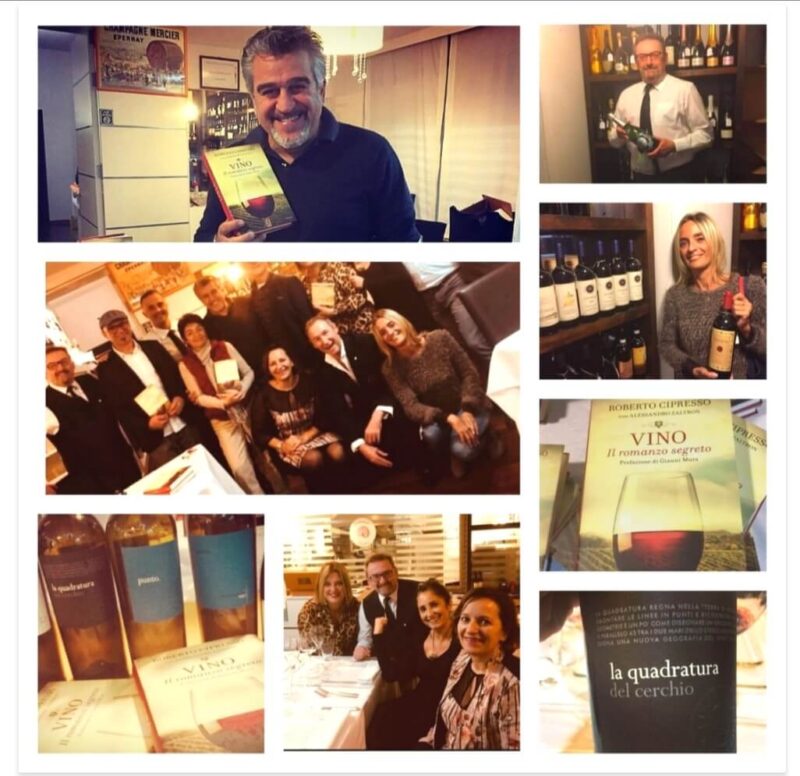
‘Wine the Secret Novel’ , a novel by Roberto Cipresso
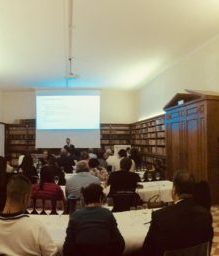
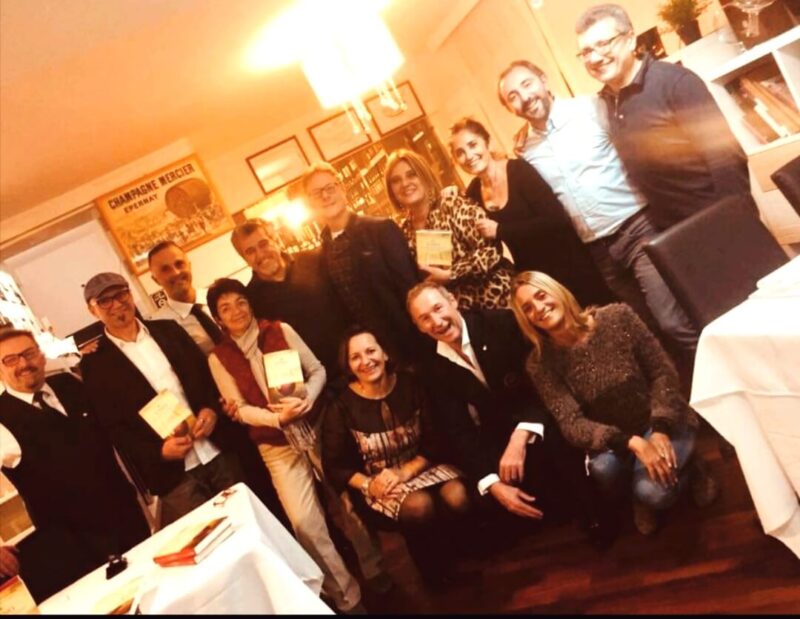
Andrea Baldeschi , the owner of the ‘Nautilius‘ restaurant, hosted that memorable dinner in honour of Roberto Cipresso. A crowd of people were waiting to hear the famous vigneron speak about his life and his professional achievements.
First of all, Roberto Cipresso greeted us all with a big smile and then went on to introduce ‘Wine, the Secret Novel‘ , one of the three books he has written about wine. It is an attempt to give a general outline of the history of wine. Wine has rolled its barrel from the shores of the Black Sea to the mountains of the Andes, following humans and their dreams. His book goes back through time retracing the grape’s conquest of the world, stopping in each winemaking country, from the oldest to the most recent, discovering wines past and present, while also looking to the future.
3 tops wines of Roberto Cipresso
That evening at the ‘Nautilius‘ restaurant there was also a fantastic wine tasting, including some of the best wines of Roberto Cipresso :
-
- ‘Punto Bianco Toscana IGT ‘: This is a white wine made from Vermentino and Verdicchio. These grapes are the most representative of Italy, being cultivated in the region of the the 43rd Parallel. This is an imaginary line, which traces through all the places that have given origin to viticulture throughout the world from Europe to the New World. The wine had a dry and even astringent taste , with a contrasting rich coconut aroma, giving a nice round feel in the mouth, and a long-lasting finish. It was paired with a delicious tuna pasta;
- ‘Pi Greco Toscana IGT ‘ : This is a red wine made of 100% Sangiovese . It offers primary flavours of tart cherry, red plum, strawberry, and fig, with subtle notes of roasted pepper, leather, and clay. In its nose offers aromas of earth and tea leaf. On the palate it is a full-bodied wine, displaying a marked acidity, an important tannic structure and a long and intense persistence. It was paired with a pasta enhanced with wild boar ragù;
- ‘Quadratura del Cerchio’ : This wine is made from Sangiovese (60%), Montepulciano (20%) , and Sagrantino (20%). This is Roberto Cipresso‘s first attempt to make the ideal wine and it is his first attempt at wine experimentation. Its grapes are the best in Italy, and above all they grow along the 43rd Parallel! This wine went perfectly with a dish of (soft) veal and tiny roast potatoes.
Guests enjoyed the pleasant atmosphere of that unforgettable dinner at the ‘Nautilius‘ restaurant, while Roberto Cipresso was seducing us all with his beautiful spell. Here are some important acts about his life and professional background.
Who is Roberto Cipresso?
I felt the power of Roberto‘s personality, while he was presenting his book that evening at the ‘Nautilius‘ restaurant! Roberto Cipresso is an oenologist, an international winemaker, and writer. Without any doubt he is also a visionary leader . His way of life makes him stand out from the rest of the crowd as regards the field of wine.
He can imagine things that others cannot imagine and sees the whole landscape of winemaking as a big picture, and not a single step. He is present and focused. You can connect with him, when he talks about what he has in mind, or when he teaches you something about wine, or when he tells you about his travel, his previous job experiences, and his life!
The story of Roberto Cipresso
Roberto Cipresso was born in Bassano del Grappa (Veneto) in 1963 . Initially his first love was the mountains. He studied agriculture and received a master’s degree in viticulture in Padua, Northern Italy only out of necessity. He thought that skiing and climbing would be his future, though a terrible accident caused him to change his ideas.
In order to study with Professor Attilio Scienza, a respected Italian scientist in the field of vine, in 1987 Roberto moved to Montalcino . Forgetting that tragic episode, he fell in love with the world of the wine, thus starting his winemaking career at three outstanding estates in Tuscany :
Mountains have played a large role in the life of Roberto Cipresso. In fact, he learnt how to survive and how to know his limits! At the same time he improved his skill in observing nature, developing an extraordinary knowledge of the vineyards of Tuscany in order to create wine.
He learnt a lot about wine during his younger years in Montalcino , from the planting of grapes to how the wine was bottled. It was the most challenging and formative step of his fantastic life’s work with wine.
The goals of Roberto Cipresso
Roberto Cipresso soon gained success, being invited to advise Italian producers as well as wineries around the world, including those in South America (‘Achaval-Ferrer Winery’, Argentina). Travelling helped Roberto Cipresso open his mind. He experienced different realities of wine , observing wine from a different angle, and eventually was ready to work as a wine consultant !
The opportunities Roberto Cipresso had to put his professional skills and ideas as regards wine into practice are exemplified by four of his major projects:
- ‘Fattoria La Fiorita’: In 1992 together with two popular partners, he founded this boutique winery in Castelnuovo dell’Abate, near Montalcino , which is still running. This boutique winery produced the iconic Brunello , gaining numerous prestigious awards, including Parker points of 99, 98 and 97;
- ‘Winemaking project’: In 1999 at the behest of wine industry professionals he created a team of qualified consultants in the field of agronomy and oenology in collaboration with his brother Gianfranco, and his friend Santiago Achaval, who is the founder of the stunning ‘Matervini winery’ in Argentina ;
- ‘Wine Circus’: In 2001 he created this big wine lab in Montalcino , where ideas and projects are shared with wine experts and universities in order to solve problems regarding the winemaking process;
- ‘Poggio al Sole’: In 1990 he crafted this modern five starred wine relais , which is situated between Siena and Florence. Here Roberto Cipresso planted his precious grapes of Brunello , which are used in the making of the best labels of his red wines.
The wine hits parade of Roberto Cipresso
Recalling the most important enterprising ventures of Roberto Cipresso together with his lifetime achievements awards in terms of wine and food culture, means understanding his complex and sensitive soul:
-
- On the occasion of the Jubilee of the year 2000 he created a special cuvée for the Pope John Paul II ;
- In 2006 he was named ‘Best Italian Oenologist’ by the event ‘Wine Oscar ‘ ;
- In 2008 he was named ‘Man of the year’ by the ‘Men’s Health Magazine’;
- In 2009 he was named ‘Italian Winemaker of the Year’ by the ‘Merano Wine Festival’;
- In 2009 his partner ‘Achaval-Ferrer Winery‘ was selected as ‘Winery of the Year’ by ‘Wine & Spirits; Magazine’. In the same year his bottles from his first Brunello’ vintage were auctioned off at ‘Christie’s’ in New York;
- In 2010 for the 150th anniversary of the Italian Unification he produced a special wine called ‘City of wine’;
- In 2011 there was a mention of his wines in ‘The Wine Advocate’ ;
- In 2012 he received a gold medal for his career at the ‘Merano Wine Festival ‘.
- In 2013 he received a mention for his wine in the ‘Wine Spectator ‘.
The 3 books about wine written by Roberto Cipresso
The list here above would already be too long, taking into account that Roberto often gave lectures and speeches at wine schools and important universities in the world ! Already famous for his achievements in Italy and Argentina, Roberto rapidly obtained recognition in Europe and North America as one of the world’s elite winemakers.
Roberto is a creative and multitalented man. Along with the benefits of his many abilities and passions, there is his love for writing, represented by another three books he has written about wine and its mystery, published between 2006 and 2009::
The ‘Cipresso 43rd project’. How to make the wine of the future!
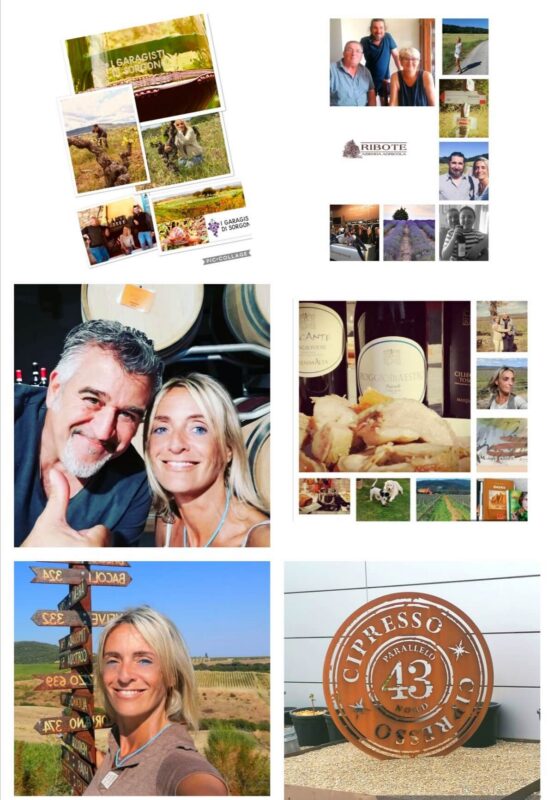
Without any doubt, Roberto Cipresso is a charismatic, brilliant and enthusiastic wine entrepreneur! He still continues on his incredible adventure in his inspiring wine experiment entitled ‘Cipresso 43 rd project’. According to Roberto Cipresso, rules are important in producing a perfect wine, though they cannot stop evolution. We should consider rules as a point of departure, not as a point of arrival!
Bearing this in mind, Roberto started his revolution in the world of wine, thereby provoking scandal! He went beyond the traditional concept of terroir, which was not identified as such as being in a specific area of the world, though within the same horizon!
The theory of the 43rd Parallel
According to Roberto’s recent research, this horizon is the 43rd Parallel, a magical line containing singular physical and spiritual features regarding wine production, situated halfway between the Equator and the North Pole. This parallel runs through central and florid places, which have shaped the main grapes and phases in the evolution of vine culture from Mesopotamia to the USA:
- the rivers Tigris and Euphrates, birthplace of viticulture;
- Croatia and its Dalmatian Coast with the grape of Plavac Mali;
- Tuscany, Umbria, Marche in Italy, with the grapes of Sangiovese, Sagrantino and Montepulciano;
- Midì in France with the grapes of Viogner and Grenache ;
- Basque Country with the grape of Txakolina;
- New York and Oregon, that nowadays take a leading role in wine production in the New World
‘The Cipresso 43 rd project‘ is an attempt to create an oenological itinerary using only grapes grown at a Northern latitude of 43rd degrees. It could be considered an attempt to make the wine of the future.
The X-factor of Roberto Cipresso
The life of Roberto Cipresso is about striving for excellence and harmony not only in wine, though also in life. Roberto doesn’t limit himself only to his own thoughts and ideas. When you talk to him, he listens to whatever you have to say attentively. He encourages you to be as creative as possible and never to be afraid of presenting your own point of view!
Roberto explained to me the big picture of his vision of wine and how to live in this world. His work is an essential part of his existence. It is not only about running a laboratory or doing analysis, it is mainly about being part of making something amazing. It is by combining science, creativity and love, that you keep things interesting, and it is a great industry to be involved with as well. Roberto Cipresso experiments with unconventional colors to find inspiration for his next masterpiece, that is still to come! I’m looking forward to it!
If you like my post, please subscribe to the socials of www.WeLoveitaly.eu :