Who is Roberto Cipresso?

Who is Roberto Cipresso?

If you want to thrill someone,  first try to feel  the same emotions you desire to awake…” .

R. Cipresso.

Roberto Cipresso, international winemaker of Montalcino

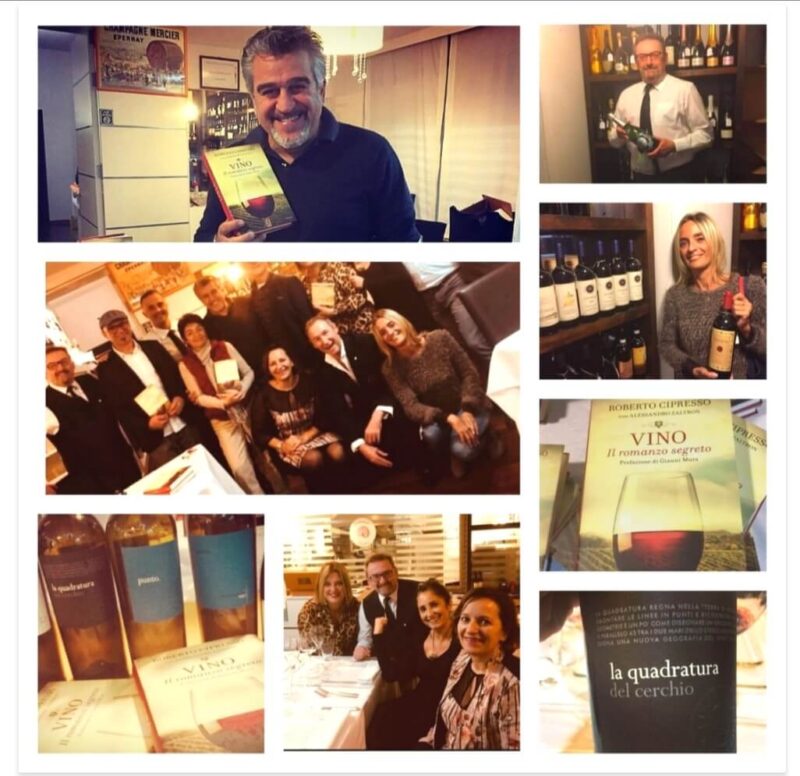
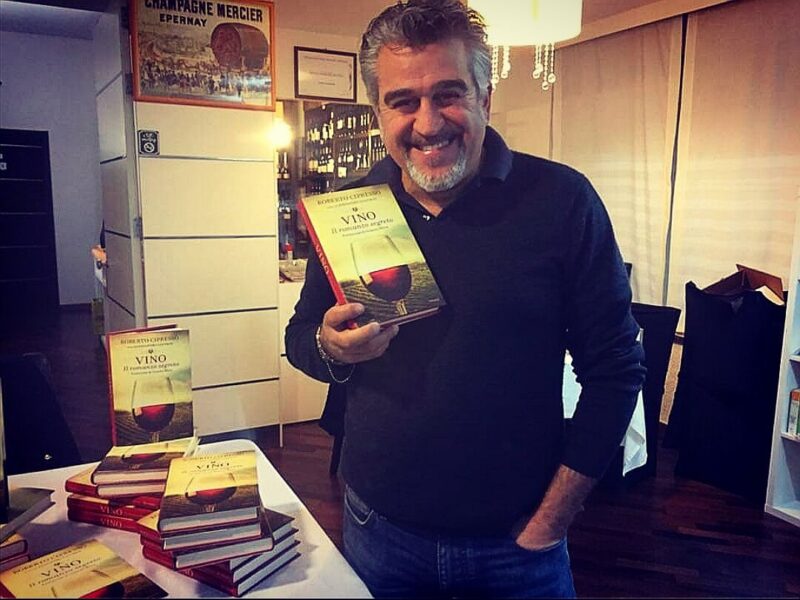
Scanning across the bookshelves in my flat, it dawns on me that my collection falls into three categories: wine, food and  travel! The three passions that form the  main plot of  Wine, the secret Novel , a book written by Roberto Cipresso. Roberto Cipresso presented his  outstanding work at ‘Nautilius, an elegant restaurant by the sea and close to  Pisa .

It was an unforgettable event  that allowed me  to meet  one of the most important winemaker in  Italy, Roberto Cipresso . He is a special person, as well as a great wine entrepreneur.  From his base in Montalcino, Tuscany, he has changed winemaking worldwide. How?  Read his incredible story, and you will find the answer!

Roberto-Cipresso-The- Secret -Novel

‘Wine the Secret Novel’ , a novel by Roberto Cipresso

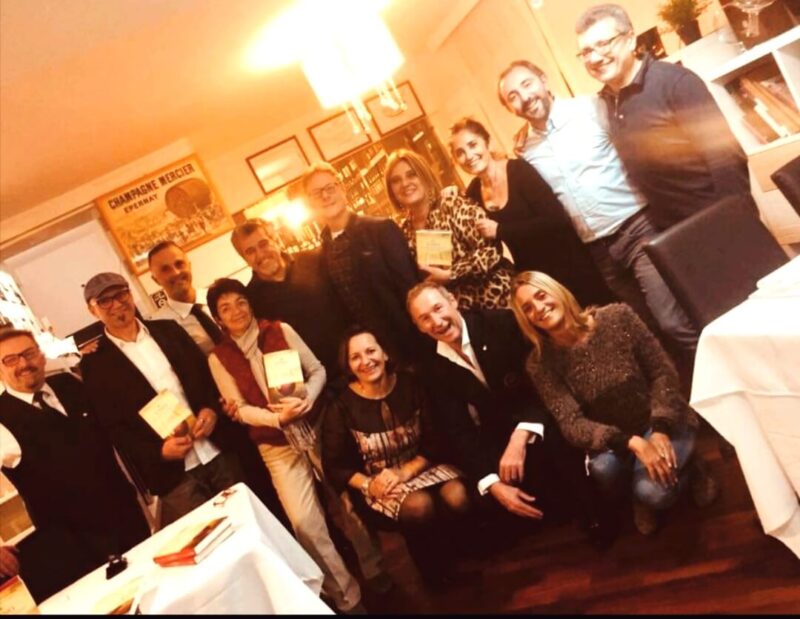
Andrea Baldeschi , the owner of the ‘Nautiliusrestaurant,  hosted that memorable dinner in honour of  Roberto Cipresso.  A crowd of people were waiting to hear the famous vigneron speak about his life and his professional achievements.

First of all, Roberto Cipresso greeted us all with a big smile and then went on to introduce  ‘Wine, the Secret Novel‘  , one of  the three books he has written about wine.  It is an attempt to give a general outline of the history of wine.  Wine has rolled its barrel from the shores of the  Black Sea to the mountains of the Andes, following humans and their dreams. His book goes back through time  retracing the grape’s conquest of the world, stopping in each winemaking country, from the oldest to the most recent,  discovering wines past and present, while also looking to the future.

3 tops wines of Roberto Cipresso 

That evening at the ‘Nautiliusrestaurant there was also a fantastic wine tasting, including some of the best wines of Roberto Cipresso :

    • ‘Punto Bianco Toscana IGT :  This is a white wine made from Vermentino and Verdicchio. These grapes are the most representative of Italy, being cultivated in the region of the  the 43rd Parallel. This is  an imaginary line, which  traces through all the places that have given origin to viticulture throughout the world from Europe to the New World. The wine had a dry and even astringent taste , with a  contrasting rich coconut aroma, giving a nice round feel in the mouth, and a long-lasting finish.  It was paired with a delicious tuna pasta;
    • ‘Pi Greco Toscana IGT ‘ : This is a red wine made of 100%  Sangiovese   . It  offers primary flavours of tart cherry, red plum, strawberry, and fig, with subtle notes of roasted pepper, leather, and clay.  In its nose offers aromas of earth and tea leaf.  On the palate it is a full-bodied wine,  displaying a marked acidity, an important tannic structure and a long and intense persistence. It  was paired with a pasta enhanced with wild boar ragù;
    • Quadratura del Cerchio’ : This wine is made from  Sangiovese (60%),  Montepulciano (20%) , and  Sagrantino (20%).  This is Roberto Cipresso‘s first attempt to make the ideal wine and it is his first attempt at wine experimentation. Its grapes are the best in Italy, and above all they grow along  the 43rd  Parallel!  This wine went perfectly with a  dish of (soft) veal and tiny roast potatoes.

Guests enjoyed the pleasant atmosphere of that unforgettable dinner at the ‘Nautilius restaurant, while  Roberto Cipresso was seducing us all with his beautiful spell.  Here  are some important acts about his life  and professional background.

Roberto-Cipresso-writer-winemaker-Montalcino

Who is Roberto Cipresso? 

I felt the power of Roberto‘s personality,  while he was presenting his book that evening at the ‘Nautilius restaurant! Roberto Cipresso is an oenologist, an international  winemaker, and writer. Without any doubt he is also a visionary leader . His way of  life makes him stand out from the rest of the crowd as regards the field of wine.

He can imagine things that others cannot imagine and sees the whole  landscape of winemaking as a big picture,  and not a single step. He is present and focused. You can connect with him, when  he talks about what he has in mind, or  when he teaches you something about wine,  or when he tells you about his travel, his previous job experiences, and his life!

The story of Roberto Cipresso 

Roberto Cipresso was born in  Bassano del Grappa (Veneto) in 1963 . Initially his first love was the mountains. He studied agriculture and received a master’s degree in viticulture in Padua, Northern Italy only out of necessity.  He thought  that skiing and climbing would  be his future,  though a terrible accident caused him to  change his ideas.

In order to study with Professor Attilio Scienza, a respected Italian scientist in the field of vine, in 1987 Roberto moved to Montalcino  . Forgetting that tragic episode,  he fell in love with the world of the wine,  thus  starting his winemaking career at three outstanding estates in Tuscany :

Mountains have played a large role in the life of  Roberto Cipresso.  In fact, he learnt how to survive and how to know  his limits! At the same time he improved his skill in observing nature, developing an extraordinary knowledge  of the vineyards of Tuscany in order to create wine.

He  learnt a lot about wine during his younger years in Montalcino , from the planting of grapes to how  the wine was bottled. It was the most challenging and formative step of his fantastic life’s work with wine.

The goals of Roberto Cipresso

Roberto Cipresso soon gained success, being invited to advise Italian producers  as well as wineries around the world, including those in South America (‘Achaval-Ferrer Winery’,  Argentina). Travelling helped  Roberto Cipresso open his mind. He experienced different realities of wine ,  observing wine from a different angle,  and eventually was ready to work as a wine consultant !

The opportunities Roberto Cipresso had to put his professional skills and ideas  as regards wine into practice are exemplified by  four of his major projects:

  1. ‘Fattoria La Fiorita’In 1992 together with two popular partners, he founded this boutique winery in Castelnuovo dell’Abate, near Montalcino , which is still running. This boutique winery produced the iconic Brunello , gaining  numerous prestigious awards, including Parker points of 99, 98 and 97; 
  2. Winemaking project’: In 1999 at the behest of wine industry professionals he created a team of qualified consultants in the field of agronomy and oenology  in collaboration with his brother Gianfranco, and his friend Santiago Achaval, who is the founder of  the stunning ‘Matervini winery’ in Argentina ;
  3. ‘Wine Circus’: In 2001 he created this big  wine lab  in Montalcino  , where ideas and projects are shared with wine experts and universities   in order to solve  problems  regarding the winemaking process;
  4. ‘Poggio al Sole’: In 1990 he crafted this modern five starred wine relais , which is situated between Siena and Florence.  Here  Roberto Cipresso  planted his precious grapes of   Brunello   , which are used in  the making of the  best labels of his red wines.
The wine hits parade of Roberto Cipresso 

Recalling the most important enterprising ventures of Roberto Cipresso together with his lifetime achievements awards in terms of wine and food  culture, means understanding his complex and sensitive soul: 

The 3 books about wine written by Roberto Cipresso

The list here above would already be too long, taking into account that  Roberto often gave  lectures and speeches at wine schools and important universities in the world ! Already famous for his achievements in Italy and Argentina,  Roberto  rapidly obtained recognition in Europe and North America as one of the world’s elite winemakers.

Roberto is a creative and multitalented man. Along with the benefits of his many abilities and passions, there is his love for writing, represented by  another three books he has written about wine and its mystery, published between  2006 and 2009::

The ‘Cipresso 43rd project’. How to  make the wine of the future!

Without any doubt, Roberto Cipresso  is a  charismatic, brilliant and enthusiastic wine entrepreneur! He still continues on his incredible adventure in his inspiring  wine experiment entitled ‘Cipresso 43 rd project’. According to Roberto Cipresso, rules are important  in producing a perfect wine,  though they cannot stop evolution. We should consider rules as a point of departure, not as a point of arrival!

Bearing this in mind, Roberto  started his revolution in the world of wine, thereby provoking scandal! He went beyond the traditional concept of terroir, which was not identified as such as being in a specific area of the world, though within the same horizon!

The theory of the 43rd Parallel 

According to Roberto’s recent research this horizon is  the 43rd Parallel, a magical  line containing singular physical and spiritual features regarding wine production,  situated halfway between the Equator and the North Pole.  This parallel runs through central and florid places, which have shaped the main grapes and phases in the evolution of vine culture from Mesopotamia to the USA:

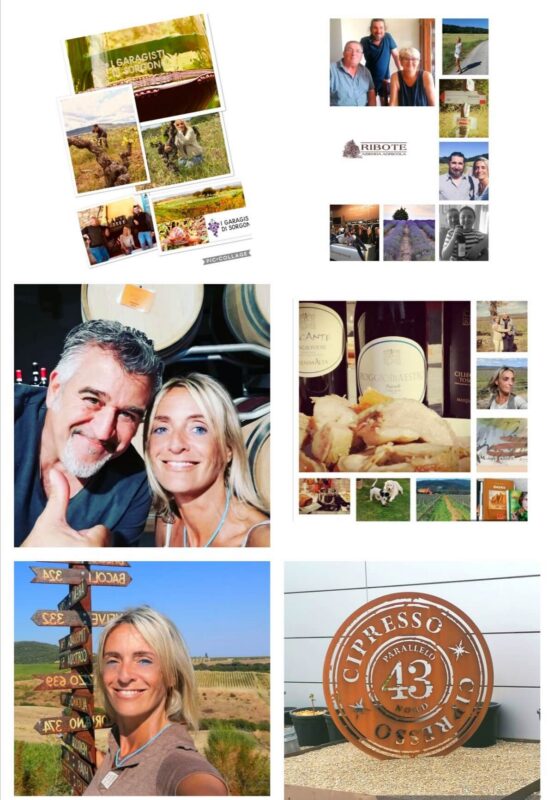
‘The Cipresso 43 rd project is an attempt to create an oenological itinerary using only grapes grown at a Northern latitude of 43rd degrees.  It could be considered an attempt to make the wine of the future.

Roberto-Cipresso-WeLoveItalyeu-wine-travel-blog-secret-novel-nautilus-restaurant-Tirrenia-Pisa

The X-factor of Roberto Cipresso

The life of Roberto Cipresso is about striving for excellence and harmony  not only in wine,  though  also in life.  Roberto doesn’t  limit himself only to his own thoughts and ideas. When you talk to him, he listens to whatever you have to say  attentively. He  encourages you to be as creative as possible and never to be afraid of presenting your own point of view!

Roberto  explained to me  the big picture of  his vision of wine and how to live  in this world. His  work is an essential part of his existence. It is not only about running a laboratory or doing analysis, it is mainly about being part of making something amazing. It  is by combining science, creativity and love, that you keep things interesting, and it is a great industry to be involved with as well. Roberto Cipresso  experiments with unconventional colors to find inspiration for his next masterpiece, that is still to come! I’m looking forward to it!

If you like my post, please subscribe to the socials of www.WeLoveitaly.eu :


Cantina Anastasia nell’isola di  Rodi

Cantina Anastasia nell’isola di Rodi

“Il vino è poesia imbottiglata”

Robert Louis Stevenson

Cantina Anastasia : l’isola di Rodi in un calice!

Sicuramente la mia visita alla Cantina Anastasia nell’isola di Rodi  ( +30 6973 42 3768 , la perla più grande dell’arcieplago del  Dodecaneso in Grecia, è stata un’esperienza divina e indimenticabile  Ancora una volta il vino mi ha portato a scoprire non solo una terra nuova e affascinante ,  manche il  suo lato più autentico e vero: quello dell’entroterra.

Travolta e stanca  dalla frenesia del divertimento estivo durante il  mio giro dell’isola di Rodi in 1 settimana , avevo deciso di ritagliarmi un po’ di tranquillità. Così mi sono spostata dalla caotica capitale  di Rodi città a nord verso l’interno a ovest.  Sono stata precisamente  a Embonas. Questo  oltre a essere un delizioso borgo  di montagna, è anche la zona più vocata alla viticoltura del paese. La presenza di antiche anfore  rodiesi ritrovate in tutto il Mediterraneo attesta  che  il  vino qui si faceva sin  dal  VII secolo a.C. . Senza scordare poi che durante il periodo ottomano l’isola di Rodi mantenne un ruolo centrale nel commercio dell’uva Malvasia praticamente ovunque fuori dai propri confini  .

A rendere la mia permanenza ancora più  speciale nell’isola greca   è stata l’accoglienza calorosa di Jason Zafeirakopoulos  , manager della Cantina Anastasia  . Il giovanissimo winemaker mi ha mostrato e fatto provare  il meglio della tradizione enogastronomica dell’isola di Rodi.   Quella che vi sognate di ritrovare nei  ristoranti del litorale a sud ,  che vengono pratiamente presi d’assalto dai turisti , specie nei mesi più caldi dell’anno.

Come arrivare alla Cantina Anastasia

La Cantina Anastasia  è collocata a circa 30 km dal capoluogo   (indirizzo : Epar.Od. Kalamonas-Psinthou 6, Paradeisi, 851 06).  Per raggiungerla :

In alternativa:

Ovviamente la posizione della Cantina Anastasia nell’isola di Rodi  non è centralissima , ma  è proprio questo  il suo charme . Perché si è avvolti dalla quiete e dal silenzio. E si è lontani dal rumore , e dalla confusione cittadina. Al massimo  sentirete il canto delle cicale,  o il miagolio di qualche gatto e le chiacchiere di quelle poche anime che  vivono nei dintorni. Questo post è dedicato a tutti i wine  lover che si chiedono che fine abbia fatto il vino in Grecia! Ed è proprio alla Cantina Anastasia  che lo ritroverete!

Buona lettura!

cantina-anastasia-rodi-embonas-Jason-Zafeirakopoulos-wine-travel-blog-weloveitalyeu

Storia della Cantina Anastasia nell’isola Rodi

Dal porto dell’isola di  Rodi sono partita di mattina presto con un mini van verso la Cantina Anastasia . Dentro la macchina ho incontrato  un simpatico gruppo di americani con cui ho fatto amicizia.  Non appena sono arrivata sono scesa dal veicolo e ho attraversato il viale alberato dell’ingresso impreziosito con un cancello in ferro battutto. Purtroppo il caldo è stato asfissiante. Normale ad agosto! Ma mi sono risollevata non appena mi sono  rifugiata con altri ospiti  all’ ombra  di  un  pergolato in legno antistante il parcheggio dell’azienda vitivinicola.

Ad aspettarci c’era Jason . Dopo un piacevole bicchiere di benvenuto ci ha invitato ad accomodarci nel ristorante all’aperto della sua  cantina  e ad ascoltare la sua  storia . Più che altro hanno parlato i suo occhi :  pieni di entusiasmo, quello  tipico della sua giovane età. Di fronte ho avuto un padrone di casa che, dietro i suoi trentanni,  ha fatto subito trapelare una personalità forte e determinata.  La stessa che lo ha portato a Bordeaux   in Francia, dove ha vissuto per studiare  enologia.

Non solo vino!

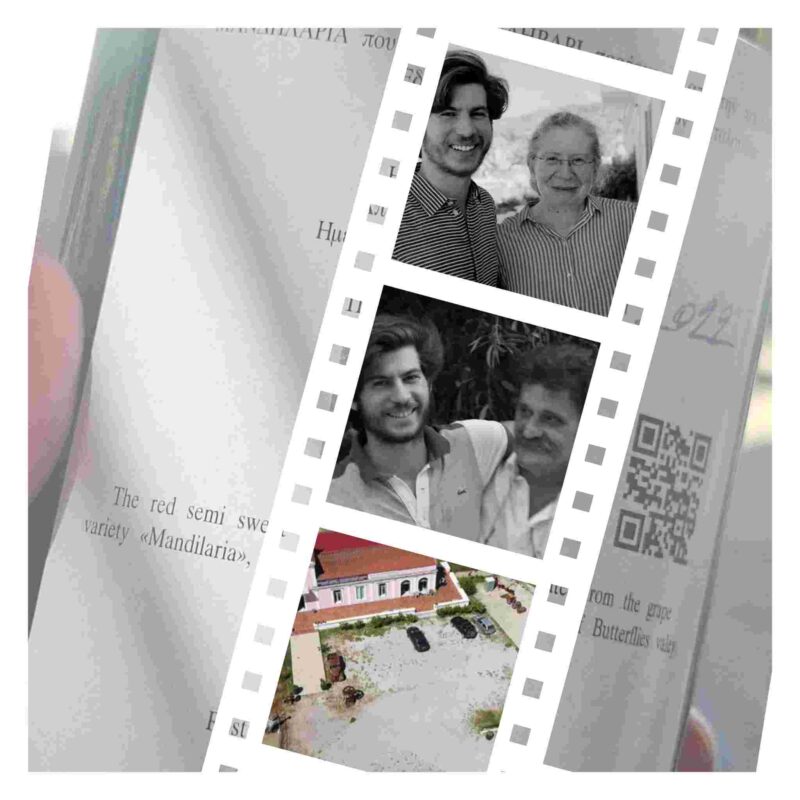
Al termine dell’università Jason  si è trasferito definitivamente nell’isola di  Rodi  per portare avanti la sua tenuta. Questa prende il nome da sua madre ,  che è appunto  Anastasia Triantafyllou,  che insieme al marito  Nikos  , imprenditore edile, l’avevano fondata nel 1995.  Si è trattato sul serio di un sogno che è  diventato realtà grazie a tanta fatica e  tanto amore per il vino e la propria patria!  Una passione tramandata da generazione a generazione :  il  nonno infatti  era stato il fondatore della Cantina Emery, una  delle cantine più storiche di Embonas.

L’avventura enoica dei  signori  Zafeirakopoulos  è iniziata  con l’acquisto dei terreni e la costruzione di  due grandi  stabili dai tetti alti e spioventi .  Questi adesso sono colorati  di rosa pastello modellati volutamente in stile neoclassico , come le   celebri case dell’isola di  Symi.  Al loro interno entrambi i fabbricati ospitano spazi dedicati alla vinificazione, distilleria e ristorazione. Successivamente hanno fatto i primi  vini, e poi  sono seguiti  tanti altri nettari premiati .

Non contenti hanno introdotto  anche la produzione dello   Tsipouro, classica acquavite greca e dell’ olio. Beni preziosi che al presente si possono solo comprare  in loco.  Nel loro shop ( insieme ad altri souveniroppure  online attraverso intermediari come Vivino. La loro filosofia aziendale è quella di valorizzare il patrimonio viticolo isolano , rispettare l’ambiente, e modernizzare le tecniche di produzione. Passato e futuro si fondono alla Cantina Anastasia a Rodi  .cantina-anastasia-rodi-embonas-wine-travel-blog-weloveitalyeu

Cantina Anastasia a Rodi, perché fa del vino buono!

Dopo avere ascoltato attentamente le parole di Jason io e il gruppo di turisti lì presenti ci siamo  alzati dalle nostre sedie e   lo abbiamo seguito per un tour in mezzo ai filari piantati intorno la cantina ( 7000 ettari). Anzitutto ci ha spiegato che il  terroir di Embonas  (400 m.l.m.)  è unico per la sua posizione geografica e per  alcuni fattori pedoclimatici .

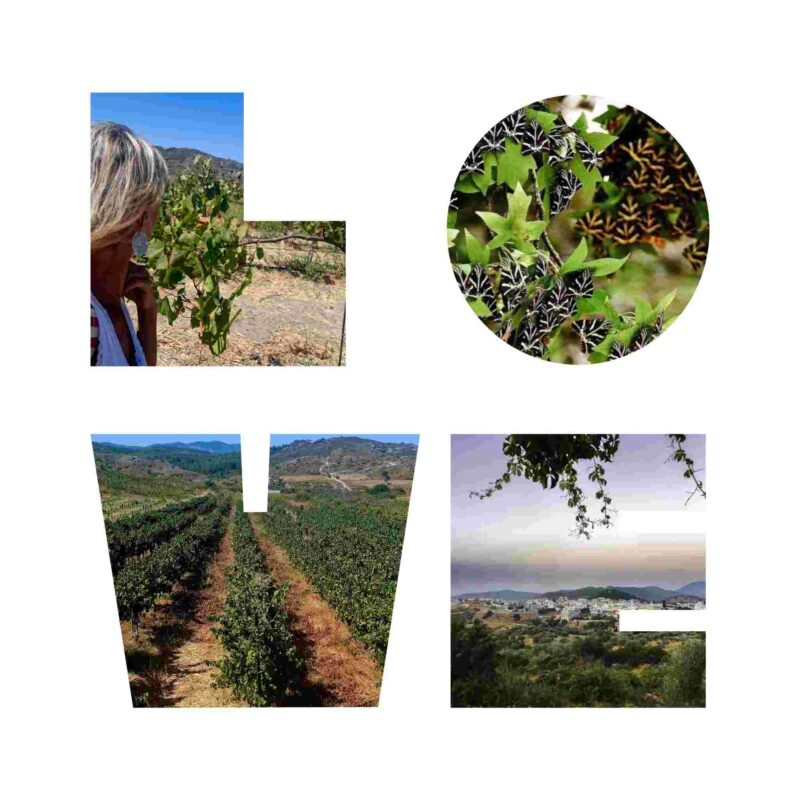
Come un gioiello  Embonas è incastonata alle pendici del  monte Attavyros ( 1.200 m.l.m.). E proprio qui,  come già accennato , che si concentra  la maggior parte delle cantine e dei vigneti  dell’isola . Il suo è un clima tipicamente mediterraneo. Le estati sono calde e secche , e ci sono  forti escursioni termiche tra giorno e notte. Di grande importanza sono anche i suoi  suoli che sono:  calcarei , ben drenati, collinari con un’ ottima esposizione solare . Il  loro punto di forza , essendo piuttosto impervi , è che sono stati risparmiati dalla fillossera del XIX secolo. Un mix esplosivo che conferisce mineralità e struttura ai vini, donandogli equilibrio e  aromaticità.

I vitigni della  Cantina Anastasia a Rodi

Mentre passeggiavamo   tra i vigneti Jason  ci ha anche spiegato che gestire una  cantina non è mai semplice: la natura può riservare imprevisti anche gravi. Quattro anni fa, ad esempio, hanno dovuto affrontare un incendio che ha causato danni ingenti.  Occorrono risorse economiche importanti sia per riparare queste inevitabili perdite sia per innovare impianti e macchinari. Infine  il suo racconto  è proseguito con una lezione interessantissima sul ciclo annuale  della vite , che è sato descritto in un inglese impeccabile. Ad aprile  le gemme cominciano a germogliare con  fiori e grappoli. Giugno e settembre è il periodo più delicato e rilevante di tutta la fase della fruttificazione: la vendemmia .

cantina-anastasia-rodi-embonas-degustazione-vini-wine-travel-blog-weloveitalyeu

L’uva tipica dell’isola di Rodi

Il risultato di tanto lavoro per la Cantina Anastasia è la produzione di varietà autoctone che si trovano solo nell’isola di Rodi, che rappresenta il cuore della viticoltura dell’intero arcipelago del Dodecaneso. In parte molti vitigni sono stati reimpiantati per dare nuovo vigore agli appezzamenti terrieri , tra le varietà più coltivate spiccano  :

Per i bianchi:

  • L’ Athiri:  il vino simbolo dell’isola di  Rodi  è  un bianco  DOP , delicato , molto agrumato con note di pera e  mela; buona acidità, e sapidità ,  performa particolarmente bene in vigneti d’alta quota;
  • Il  Muscat di Rodi:  un’ uva molto antica e  aromatica con sa di miele e albicocca; può essere elaborata anche in  versione liquorosa sia come vin doux naturel;

Per i rossi :

  • La  Mandilaria:  un vitigno rosso caratteristico dell’isola , speziato e ben strutturato; attecchisce in collina e pianura.

In seguito  Jason  ci ha confidato che è stato necessario allinearsi alle tendenze della viticoltura moderna: non ci si può isolare, e sperimentare è fondamentale. Con ottimi risultati – circa 12.000 bottiglie all’anno– hanno osato con dei  vitigni internazionali.

Rispettivamente.

Degustazione Cantina Anastasia a Rodi

Il momento magico è stato il  pop dell’apertura delle etichette più rappresentative della Cantina Anastasia a Rodi . Tra quelli che mi hanno colpito maggiormente :

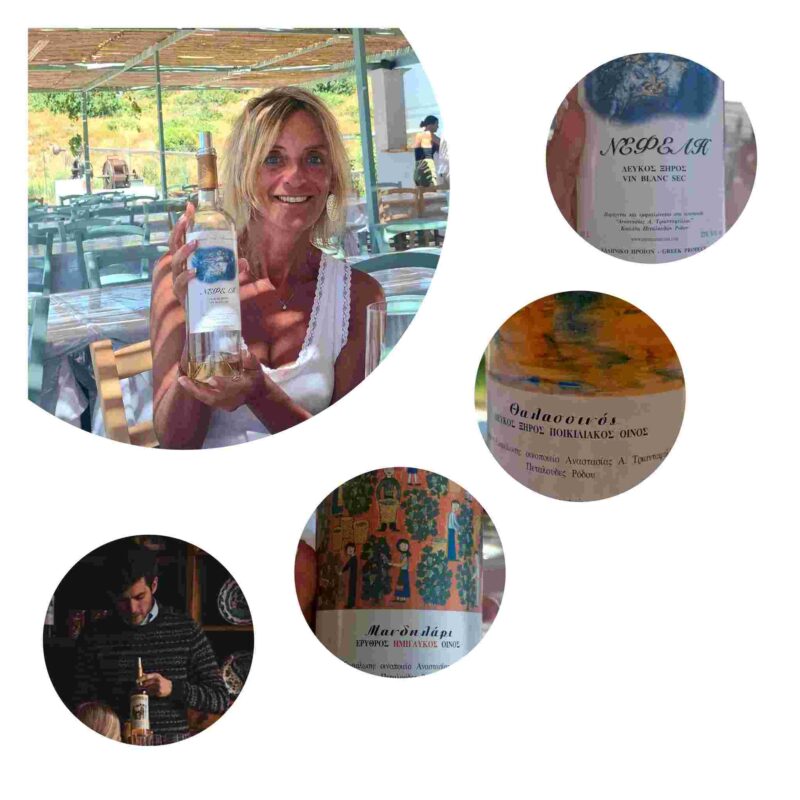
  • Nefeli Dry 2022: da  Muscat di Rodi   , 12%, bianco brillante e fragrante. Al naso si apre con sentori di zagara, lime, mela verde e richiami salmastri. In bocca è fresco,  minerale , con  un finale agrumato;
  • Thalassinos Allegro 2022 : blend dei rossi della cantina, 13%; colore rubino intenso,  profumo di ribes nero ,  c’è del tabacco e tè nero.
  • Mandilari Dry 2022: fatto da  Mandilaria,   rosso dal carattere intenso, sentori di ciliegia , prugna, spezie.  Tannico, di struttura corposa, ha il gusto di  frutta matura ; corpo medi0-pieno, tannini presenti ma bilanciati, rotondo e raffinato;
  • Moscato di Alessandria: fatto dall’omonima uva, è un vino dolce molto aromatico. Si sente l’ albicocca, i fiori d’arancio e l’uva passa.  Vellutato e pieno, possiede equilibrio e una dolcezza che non è mai stucchevole.

La cooking class  alla Cantina Anastasia a Rodi

Inutile affermare che la parte più entusiasmante del mio giro alla Cantina Anastasia a Rodi è stata quella del corso di cucina greca.  Ho avuto il piacere di provarla in abbinamento con gli elisir divini assaggiati prima con  Jason  . Lui , con un’eleganza tutta francese,  ha cambiato ruolo: da enologo a chef!

Ci siamo radunati  attorno a un lungo  tavolo nella terrazza del ristorante .  Era imbandito con tutti gli ingredienti delle principali ricette greche. Queste recano tracce della travagliata storia della Grecia e dei suoi incontri e scontri con popoli stranieri. Come quelli del Mediterraneo, dei  Balcani e dell’Oriente.

Ormai è risaputo che cuisine greca è salutare . A livello internazionale Il segreto della sua fama è che si basa su prodotti poveri, di stagione e freschi . Gli stessi che colmavano le ciotole sparse nel nostro desco della cantina.

Cosa abbiamo mangiato?

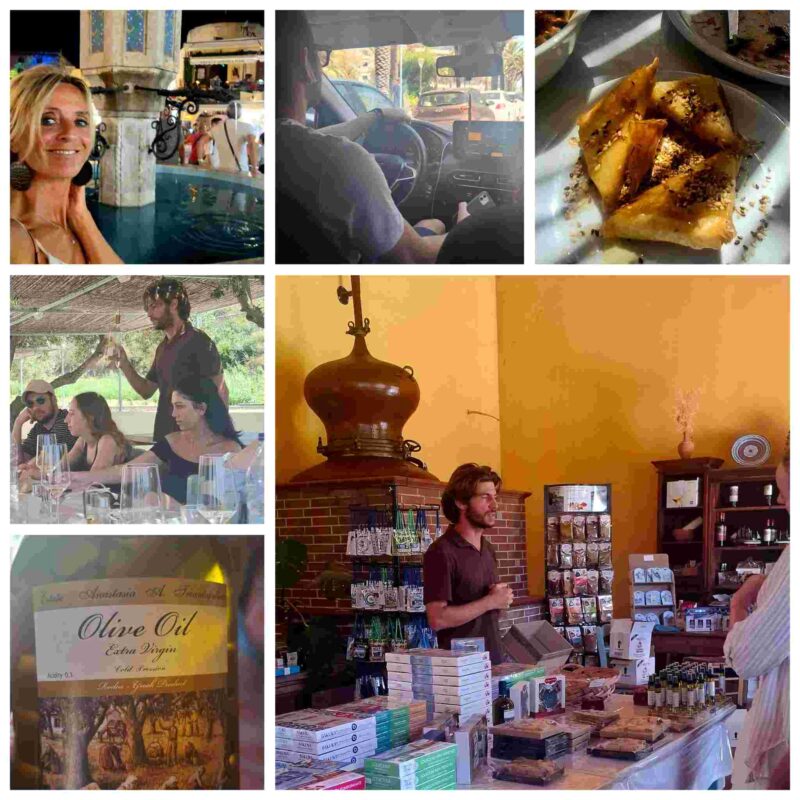
Con molta professionalità Jason  ci ha illustrato la tecnica di preparazione e cottura dei mezedes, una selezione di assaggi tipici greci . Tra questi :

  • Tzatziki: la celebre crema di yogurt, cetriolo e aglio,  irresistibile, ideale per accompagnare pane caldo e piatti grigliati;
  • Melitzansolata:una mousse morbida di melanzane cotte alla griglia . Vengono condite con olio , sale, pepe, aglio, e aceto . Sono da accompagnare con pane tostato;
  • Dolmades: ho personalmente imparato a piegare le  iconiche foglie di vite ripiene di riso . Questo è aromatizzato con cipolla e poi cotto a vapore in pentole di coccio. Li ho mangiati al ristorante greco e non mi hanno fatto mai impazzire. Fatti in casa è tutta un’altra cosa!

Ognuno dei commensali ha messo le mani in pasta e creato  un succulento pranzo . Mi sono divertita tantissimo. Sì, perché condividere le portate insieme agli altri è il piacere stesso del cibo. Non dimentichiamo che siamo in Grecia , la terra in cui l’ospitalità e sacra.

Per di più  ho appreso che la semplicità e la bontà delle materie prime sono il successo di un piatto. Non si deve aggiungere nulla se si prediligono già componenti di prima scelta. E questi non mancano affatto nella variegata gastronomia greca: cereali, legumi, verdure, olio extra vergine, formaggi, carne e pesce di qualità. Ecco perché essa fa bene ed è adatta a una dieta equilibrata e sana.

cantina-anastasia-rodi-in-1-settimana-embonas-wine-travel-blog-weloveitalyeu

Conclusione . Cantina Anastasia a Rodi

Esplorare  la Cantina Anastasia a Rodi significa vivere l’isola  in modo intimo. Si respira un’ aria diversa: si è avvolti  da pace e  ci sono dei panorami suggestivi . Atmosfere irripetibili in quei luoghi presi d’assalto dai turisti, specie nei mesi più caldi dell’anno. Programmare una tappa qui è come assaporare l’isola di Rodi d’inverno :  quella più vera  dei suoi abitanti,  delle loro giornate, delle loro piccole grandi cose. I loro sorrisi, la loro allegria e  convivialità.

Recarsi in questa cantina è farsi un dono , quello di catapultarsi in un contesto che trasforma l’ordinario in straordinario! Oltretutto si entra nel vivo del  mondo del vino in Grecia , che  si   è finalmente risvegliato negli anni ‘ 80  dopo secoli di buio . Questo grazie alle nuove generazioni . Come nel caso di  Jason , che hanno studiato all’estero . Hanno riportato in patria nuove competenze insieme a una crescente apertura verso i mercati internazionali e il turismo. E se cliccate qui e bloccate il vostro biglietto per il paradiso capirete meglio di cosa ho scritto finora.

καλό ταξίδι


If you like my post, please subscribe to the socials of www.WeLoveitaly.eu :


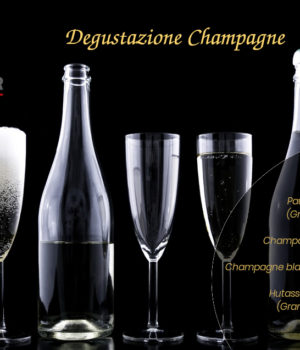
Fisar,  degustazione Champagne 2018, Convento dei Cappucini, Pisa

Fisar, degustazione Champagne 2018, Convento dei Cappucini, Pisa

Champagne, la Fisar di  Pisa docet!

Capodanno, Natale, il cuore di ogni festa è nelle bollicine  che salgono  brillanti lungo i  caliciCerto, oggi nei bicchieri possono fare splendida figura spumanti italiani o spagnoli, americani e perfino australiani, bianchi o rosati, secchi e dolci, ma all’inizio c’era soltanto lui: lo Champagne!

Si tratta di un mondo affascinante, su cui non si finisce mai di imparare . Così per approfondire le mie conoscenze, e per bere oro liquido, partecipo alla Degustazione di Champagne organizzata dalla Fisar di Pisa  il  18 Ottobre 2018.

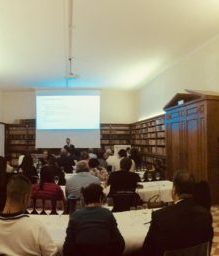
All’interno della suggestiva biblioteca delConvento dei Cappuccini di Pisa” l’esperto Sommelier Luca Canapicchi  svela a un folto pubblico di partecipanti, tutti i segreti dello Champagne in modo semplice e coinvolgente:

  • caratteristiche, origini, zone di produzione, differenze tra i piccoli e grandi produttori , legislazione , denominazioni, appellazioni.

Mi auguro il mio resoconto su quanto apprendo, possa essere utile ai neofiti e possa offrire qualche spunto interessante per chi ha maggiore esperienza.

8  Cose da sapere sullo Champagne 

1. Lo Champagne è diverso dallo Spumante: sono vini effervescenti ottenuti da diverse qualità di uva coltivate nel mondo e secondo differenti metodi di lavorazione. Un vino Spumante può essere dunque molto diverso per origine e tipologia. I migliori Spumanti, e non solo in Italia, hanno guadagnato la denominazione di origine geografica che ne garantisce la qualità e la provenienza. Un esempio è il Franciacorta”, prodotto secondo un rigido disciplinare, o il Prosecco Spumante, oggi sempre più apprezzato;

2. Lo Champagne è  coltivato nell’omonima zona , Nord Est Parigi, (34.000 ettari), divisa in 5 aeree: “Montagne di Reims”  , la “Valle della Marna”  , la “Cote des Blancs” , la “Cote de Sèzanne” e la “Cote des Bar (Aube)”;

3. Lo Champagne e il clima :  possiede aromi di eccezionale finezza perché nasce da grappoli maturati oltre il 49° parallelo, ultima frontiera a nord per la coltivazione della vite;  è questo il segreto della sua inimitabile eleganza, dell’armonico equilibrio tra la freschezza acidula del suo sapore e la calda dolcezza della sua alcolicità;

4. Lo Champagne e il terreno : ma le uve dello Champagne non riuscirebbero a maturare nel rigido clima continentale francese se il terreno (gesso, calcare, ecc… ) su cui sono impiantate le viti non avesse un sottosuolo che riverbera il calore del sole e che dosa alle radici l’acqua della pioggia, assorbendola quando è in eccesso e restituendola lentamente durante la siccità estiva.

5. I vitigni consentiti per la produzione dello Champagne sono tre: https://www.quattrocalici.it/vitigni/pinot-nero/inot Nero (“Montagne di Reims”) che da Pinot Meunier (Valle della Marna”) e Chardonnay (“Cote des Bar (Aube)).  I primi due sono a bacca nera e conferiscono allo Champagne corpo e freschezza, il terzo è   bacca bianca e dona delicatezza ;  in misura nettamente minore, altri vitigni come Arbanne e Petit Meslier;

6. Lo Champagne è ottenuto con il Metodo Classico”/“Champenoise”, di cui le fasi principali sono : 

  • Vinificazione in bianco del Pinot Nero,  Pinot Meunier, e Chardonnay (Vin de Clair ) e  loro assemblaggio  detto Cuvée : i tre vitigni principali possono essere di diversa annata (se no si parla di Millesimato) e di diversa provenienza;
  • Seconda Fermentazione/Presa di Spuma (che avviene prima in tini e poi in bottiglia) per aggiunta  alla Cuvée di zuccheri e lieviti;
  • Affinamento a contatto con i lieviti, fondamentale per dare allo Champagne le note aromatiche;
  • “Remuage” (manuale o meccanico):  dopo il contatto con i lieviti avviene un  processo che consiste nel ruotare le bottiglie di qualche millimetro ogni giorno per far scivolare i depositi nel collo della bottiglia;
  • “Dégorgement” o “Sboccatura”: rimozione del deposito, raggiunta la posizione verticale, con il collo verso il basso ;
  • “Liqueur de Dosage” o “D’expédition” : nella fase conclusiva, verrà aggiunto uncomposto spesso da zucchero di canna disciolto nel vino, in dosi variabili a seconda della tipologia di vino prodotto (Doux 50 gr/l ; Demi-Sec 32-50 gr/l ; Sec tra 17 -32 g / l ; Doux più di 50 g / l; Demi-Sec  32 -50 g /l;  Extra Dry tra 12 -17 g / l; Brut meno di 12 g / l; Extra Brut  0 – 6 g / l; Pas Dosé o Dosage Zéro con una concentrazione inferiore ai 3 g / l)

7. Tiplogia di Champagne

  • “Blanc de Blancs” : ottenuto esclusivamente da uve Chardonnay;
  • “Blanc de Noirs”:  ottenuto vinificando in bianco uve nere (Pinot Noir e Pinot Meunier);
  • “Rosé”, miscelando vino bianco o vino rosso, oppure da uve rosse vinificate in rosato;
  • “Cuvée speciale”: assemblaggio di vini eccezionale qualità (ogni “Maison” la chiama con nome diverso).;
  • “Millesimato”: è lo Champagne che dichiara in etichetta l’anno della vendemmia;
  • “Grand Cru”:  è fatto con uve raccolte in vigneti classificati 100%;
  • “Premier Cru”: è fatto con uve raccolte in vigneti classificati tra il 90% e il 99%;
  • “Monocru”: preparato con le uve di un solo vigneto anziché con Cuvée. Molto raro

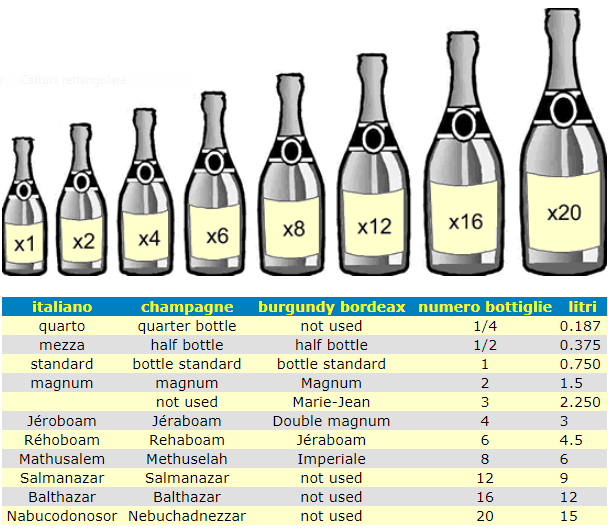
8. Dimensioni bottiglie Champagne

Storia dello champagne

La storia/leggenda dello Champagne comincia con Pierre Pérignon, il  monaco benedettino che fu cantiniere e amministratore  dell’Abbazia di Hautvillers per 47 anni, dal 1668 al 1715, e che è universalmente conosciuto come l’inventore dello Champagne. 

10. Fatti importanti nella seconda metà dell’Ottocento per lo Champagne

  1. Il chimico francese Louis Pasteur dimostra l’attività dei lieviti e il loro ruolo centrale nella fermentazione, gettando le basi per l’Enologia moderna. Negli stessi anni nasce l’Ampelografia, la scienza che studia e classifica le caratteristiche morfologiche dei vitigni, e l’Agronomia si orienta verso un approccio scientifico;
  2. Madame Clicquot produce nel 1810 il primo Champagne Millesimato e inventa la prima “Table de Remouage”, una tavola che inclina le bottiglie, facendo gradualmente scivolare i sedimenti verso il collo della bottiglia, da dove possono essere rimossi per rendere il vino più limpido e prezioso;
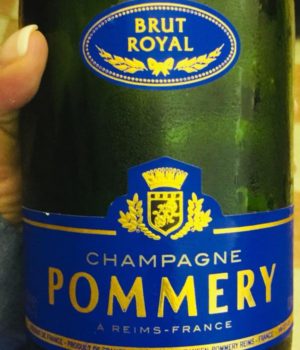
  3.  Louise Pommery, alla morte del marito, gestisce  l’azienda di famiglia fondata nel 1858 che impegnata fino a quel momento nel commercio della lana, punta dopo alla produzione di Champagne. Louise Pommery ha successo, e in breve tempo il marchio di famiglia assurge ad un ruolo di primo piano fra le “Maison” della Regione;
  4. Nel XVIII secolo nascono le Grandi Maison : Ruinart, Moèt, Vander-Veken, Delamotte, Veuve Cliquot, Heidsieck, Jacquesson, Krug; il loro talento risiede nell’ elaborazione di Cuvée che riflettano immutabilmente lo stile caratteristico di ogni marchio attraverso l’assemblaggio di vitigni, Cru e annate provenienti essenzialmente dagli acquisti di uve presso i “vigneron” (piccoli viticoltori) con i quali stipulano contratti di partnership pluriennali; 
  5. 1882 primi  sindacati e associazioni di categoria che lottano per la difesa della denominazione e delle tecniche di viticoltura;
  6. Fine del XIX  secolo diffusione di alcune terribili malattie della vite come  l’ Oidio, e la Peronospora che si propagano in tutta Europa portando al grave danneggiamento di quasi tutti i vigneti;  in modo particolare per la più distruttiva, la Fillossera (un insetto giunto dall America che attacca le radici della pianta provocandone rapidamente la morte),  l’unico rimedio si rivela l’innesto di viti europee su portainnesto di vite americana, immune dal parassita;
  7. 1911 Scala dei Cru:Gran Cru” (17 villaggi), “Premier Cru” (44 villaggi) e “Cru” (255 villaggi),  classificazione territoriale con cui  legalmente si certifica  la qualità delle uve costantemente più alta che nel resto della regione a Nord Est di Parigi, Reims, quella tradizionalmente più vocata per la produzione di Champagne;
  8. Legge sullo Champagne;  
  9. AOC Champagne; 
  10. 1941 nascita della  “CIVC” (“Comité Interprofessionnel du vin de Champagne”) ; senza queste azioni, “Champagne” sarebbe divenuto un nome generico, sinonimo di un metodi di elaborazione di vini effervescenti. 

Fisar Pisa , evento sullo Champagne

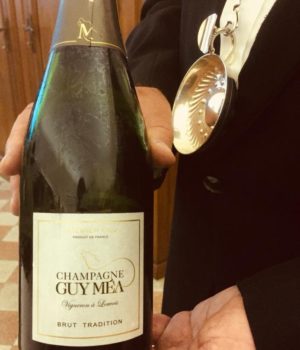
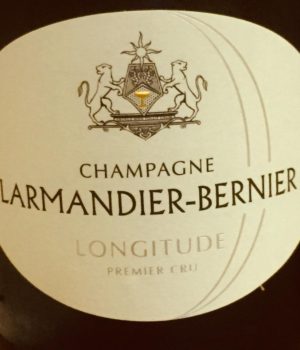
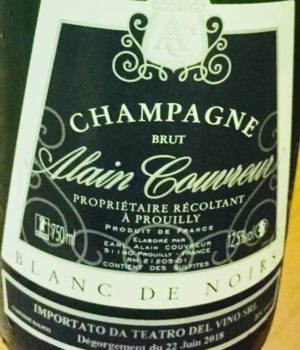
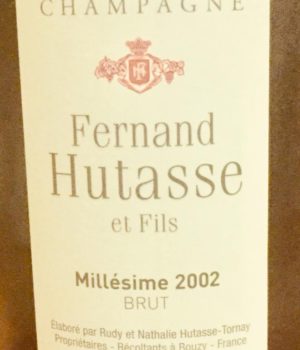
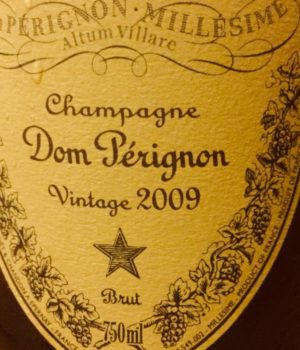
La bellissima serata prosegue con la degustazione delle seguenti etichette, provenienti dai territori più rappresentativi e da produttori di rilievo nel panorama degli Champagne, in abbinamento a degli stuzzichini:

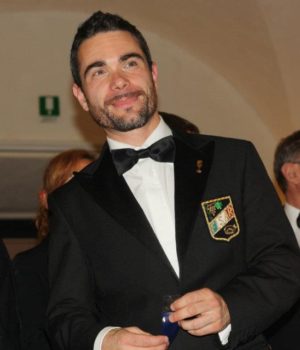
Luca Canapicchi, il sommelier 5 stelle

Ho davvero apprezzato la preparazione di Luca Canapicchi,  e soprattutto tutto ciò che di nuovo imparo da questa Degustazione di Champagne  unica ideata e ben orchestrata dalla Fisar di Pisa.

Sorseggiando un nettare divino pregiatissimo con una storia lunga quasi 300 anni, ringrazio in modo particolare alcuni dei rappresentanti della Fisar di Pisa, Salvo Pulvirenti e Luigi Vaglini, che per l’accoglienza, e per darmi la possibilità di  scrivere un post su questa eccezionale esperienza nel mio blog sulle bellezze d’Italia www.WeLoveItaly.eu .

If you like my post, please subscribe to the socials of www.WeLoveitaly.eu :


Cantina Sauska, Ungheria

Cantina Sauska, Ungheria

“Non credi anche tu che il significato della vita sia semplicemente la passione che ogni giorno invade il nostro cuore, la nostra anima e il nostro corpo e che, qualunque cosa accada, continua a bruciare in eterno… e non credi che non saremo vissuti invano, poiché abbiamo provato questa passione?”

Cantina Sauska in Ungheria , l’oro rosso dei Magiari

Senza dubbio la visita alla Cantina Sauska in Ungheria è stata un’esperienza indimenticabile. La primavera mi ha risvegliato la voglia di volare per cui un weekend di Aprile mi sono fiondata nel cuore di Tokaj-Hegyalja, la zona vinicola (22 in tutto) più antica e prestigiosa della nazione. Un viaggio quello nella Cantina Sauska in Ungheria che attraverso il vino mi ha fatto conoscere un altro pezzo della magica terra dei Magiari, di cui  mi ero  innamorata in un mio viaggio precedente  a Budapest.

Così mi sono avventurata per qualche giorno in due zone interne ungheresi: quelle  di Tokaj ed Eger . Un cambio di direzione che dalla modernità e dal caos delle metropoli mi ha riportato ai ritmi lenti e alla genuinità della vita rurale. Giorni intensi spesi esplorando  questi luoghi ameni e miseriosi alla ricerca dei loro nettari divini.

In questo breve articolo vi parlerò della storia incredibile della Cantina Sauska  , ossia quella del suo fondatore . Mi riferisco a Christian Sauska, un imprenditore di successo con la passione per il vino, una forza straordinaria che sta rimodellando il  panorama vinicolo ungherese con il suo approccio innovativo e il suo incrollabile impegno per la sostenibilità .

christian-sauska-wine-travel-blog-weloveitalyeu

Chi è Christian Sauska?

Nato nel piccolo villaggio ungherese di   Somberek  nel 1948,  Christian Sauska trascorse la sua infanzia a Budapest, Finito il lice e con la passione per il basket, si trasferì negli USA nei primi anni ’70. Lavorava in una fabbrica di giorno e studiava all’università di notte.

Diventò ingegnere e realizzò una propria azienda di tubi fluorescenti. Fece soldi e intanto si innamorò dei vini francesi tastando una bottiglia di Bordeaux del 1966. Nel 2010 decise di investire sul vino e con la seconda moglie Andrea, da cui ebbe tre figli, aprirono in tutto due cantine.

Cantina Sauska , un nuovo modo di fare vino

Che dire la Cantina Sauska è la  visione dell’ omonima famiglia che la gestisce da venti anni che si estende oltre la semplice produzione di vini eccezionali. Produttori vitivinicoli che hanno saputo riconoscere il potenziale del settore vinicolo ungherese portandolo a competere a livello internazionale.

La Cantina Sauska si trova sulla cima del pendio meridionale di Padi-hill. L’edificio è una meraviglia. SI articola in due grosse conchiglie  ciascuna di  36 m diametro,  attorno alle quali  ruotano ampie terrazze. Un’architettura studiata e ricercata, basata chiaramente sul legame profondo con il Creato e della  vista  su vigneti ondulati. Internamente si sviluppano il luoghi per la lavorazione e l’invecchiamento del vino, un ristorante e un bar.

Il risultato del loro lavoro e del loro amore per questo mestiere è stato un portafoglio di vini unico che punta principalmente sulle varietà locali. Tra queste le uve Furmint, Hárslevelű e Muscat Lunel  . Solo per anticiparvi qualcosa . Tecnologie all’avanguardia per plasmare la tradizione vitivinicola unghere dove qualità e rispetto per l’ambiente sono sempre messi al primo posto.

Chissà che non vi verrà voglia di andarci pure voi per perdervi in un angolo unico  al  mondo, pieno di storia, cultura, arte, paesaggi, cibo e  vino di tradizione mitteleuropea. Buona lettura.

Cantina Sauska, la storia di un successo e  della ripresa del vino in Ungheria

Sicuramente  la ricca cultura vinicola e il terroir diversificato dell’Ungheria stanno ora prendendo il centro della scena vinicola mondiale. Questo cambiamento può essere attribuito agli sforzi di viticoltori lungimiranti . Come quelli della Cantina Sauska ,  che si stanno spingendo oltre  confini ,  sfidando le vecchie norme con il loro approccio innovativo.

I vini ungheresi hanno da sempre suscitato un certo interesse per la loro eccezionalità. Primo fra tutti il celebre  Tokaji Aszú ( XVII sec.)  . Si tratta di quell’ elisir  secco che,  ricavato dalla muffa nobile (Botrytis Cinerea) ,  ha fatto sognare gli zar russi. La loro  millenaria gloria è stata offuscata:

  • Dalla fillossera nel 1880 ;
  • Da due guerre mondiali ;
  • Quaranta anni di collettivizzazione comunista .

 Se ne faceva poco di vin all’epoca ,  di scarsa qualità e non superava la frontiera. Dopo il termine della guerra fredda le imprese vinicole ripresero a produrre vino di qualità, modernizzando le tecniche produttive e la filiera di distribuzione.

I vigneti della Cantina Sauska: Tokaj e Villány

Tra gli innovatori in questione ecco emergere Christian Sauska. Il suo obiettivo è stato quello di fare vini che rispettassero il terroir delle vigne  ungheresi . E in linea con il suo background ingegneristico, utilizzassero le ultime tecnologie per farlo. Per arrivare a ciò  ha arruolato  nel suo team l’aiuto di consulenti di livello mondiale.

Un aspetto significativo di questa recente  rivoluzione del vino in Ungheria è l’attenzione della Cantina Sauska sulle loro vigne a Tokaj (nord- est) e Villány ((sud-ovest). Due aree vinicole queste  su cui nessuno avrebbe mai scommesso .

Sono state messe in ombra da altre più affermate, e adesso sono letteralmente esplose. Ognuna di esse ha delle caratteristiche climatiche e geologiche uniche per fare grandi vini .

Tokaj il vigneto

Tokaj  (70 ettari) si distingue per i suoi terreni vulcanici . Gábor Rakaczki è l’enologo .  Stefano Dini è il responsabile dei vigneti piantati per lo più con Chardonnay, Sauvignon Blanc, Hárslevelű, Sárgamuskotály e Pinot Noir. Si danno vita a bianchi incredibili :

Villány la Bordeaux d’Ungheria

Villány  (80) ettari è conosciuta  per i loro blend bordolesi fatti con :  Cabernet Franc, Merlot e Cabernet Sauvignon. Per non parlare dei rossi ottenuti dalle uve locali di Kadarka e Kékfrankos

Beneficia di un clima mite , con ottima esposizione solare  e suoli calcarei ben drenati, che forniscono le condizioni ideali per fare  vini rossi ricchi e corposi.

Laszlo Latorczai è l’enologo e Peter Pohl è il responsabile dei filari. Il loro vino di punta, il Sauska Cabernet Franc , che  esemplifica questo stile audace. Con il suo colore rubino intenso e gli aromi di more mature, erbe e spezie, cattura i sensi dal primo sorso. I tannini vellutati del vino e il finale lungo e persistente rivelano la sapiente maestria artigianale e l’attenzione ai dettagli per cui la Cantina Sauska è divenuta  famosa. Si possono fare  tour enologici per i più appassionati.

sauska-cantina-tokaj-ungheria-wine-travel-blog-weloveitalyeu

Tokaj, non  solo vino!

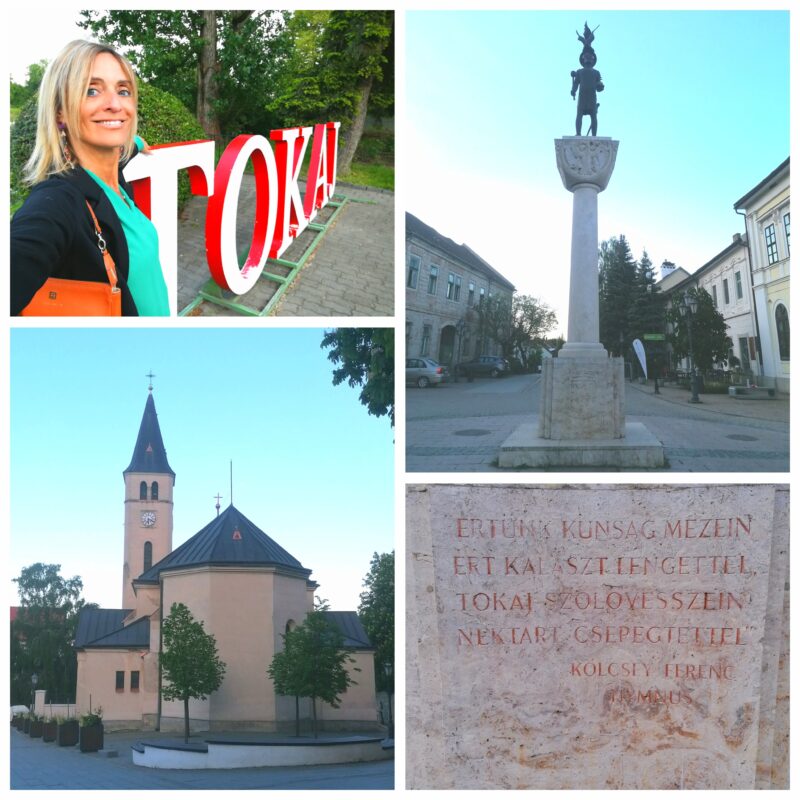
Atraversata dal fiume Brodog,  città di Tokaj fa parte della contea di Borsod-Abaúj-Zemplén a 54 km dal capoluogo Miskolc . Menzionata per la prima volta in un documento nel 1353,  fu invasa dai  Mongoli, nel XIV secolo  e dopo  il 1450 passò sotto il governo di varie famiglie nobili.

 Tokaj rappresenta l’intera regione vinicola di Tokaj-Hegyalja dove appunto si fa il vino Tokaj , di cui l’ Aszú è , come già detto, la variante più popolare. Non a caso  Luigi XV di Francia lo definì come “il vino dei re, il re dei vini”.  L’ area si estende su 27 villaggi per un totale di  circa 5.400 ettari di vigneti piantati ( esistenti dal 1067 ) .

Tokaj-Hegyalja  si svela nella sua essenza vitivinicola percorrendo la Strada del vino TokajHegyalja. Attraverso altri villaggi incantevoli come Mad, Tallya ed Erdöbenye, questo è un percorso meraviglioso da non farsi mancare. Andrebbe fatto tra la fine di settembre e l’inizio di ottobre al momento della festa del raccolto. Un festival che prevede sfilate, musica popolare e, naturalmente, degustazioni di vino dopo la vendemmia annuale.

3 cose da vedere a Tokaj

Dichiarata Patrimonio dell’umanità dall’UNESCO nel 2002 per la sua bellezza  e per la sua tradizione vitivinicola storica,  Tokaj oltre al vino offre  altro da vedere:

  1. Chiesa della Santissima Trinità: costruita nel XVIII secolo (in stile barocco), la chiesa è posta in ienro centro ed  è molto suggestiva per i suoi interni impressionanti, tra cui elaborati affreschi, altari decorati e splendide vetrate;
  2. Museo Tokai: una visita qui è d’obbligo per esplorare la storia della vinificazione del Tokai. Ospitato in un edificio storico nel centro della città, il museo presenta mostre che ripercorrono la storia della cultura dell’uva nella regione dai tempi antichi ai giorni nostri. Il museo ospita anche una collezione di attrezzature tradizionali e una mostra completa sullo sviluppo del famoso vino Tokaj Aszu;
  3. Castello di Rakoczi: situato sulle rive del fiume Tibisco  è una fortezza storica le cui origini risalgono al XVI secolo. I visitatori possono esplorare le vecchie mura e godere di viste panoramiche sul fiume.

sauska-cantina-eger-ungheria-wine-travel-blog-weloveitalyeu

Eger , mamma mia i Turchi!

Anche Eger  (55 mila abitanti ) chiaramente sfoggia un suo passato enoico antico e di gran pregio. Incastonata tra i Monti Bükk, parte della sua produzione vinicola è visibile nelle 200 cantine sparse per la Szépasszony Valley .  Sarebbe in Italiano traducibile come  la  Valle delle Belle Donne in onore  di una dea dell’amore o di una graziosa nobile di queste parti. Citata spesso dagli scrittori ungheresi Sándor Petőfi, Mihály Vörösmarty e Sándor Márai la Szépasszony Valleysi trova a circa 2 km dal centro della cittadina  e si possono  fare degustazioni e acquistare al dettaglio a prezzi accessibili.

Comunque Eger si deve assolutamente ricordare per  il suo vino rosso corposo e speziato  Egri Bikavér .  Vuol dire sangue di toro , che secondo una leggenda (XVI sec.),  rese  poco più di 2000 soldati ungheresi invincibili contro i turchi. Una vittoria dovuta pure per l’eccezionalità del condottiero István Dobó.

All’eroe è dedicata una  piazza nel centro della  Città Vecchia preziosa per la sua basilica (XIX sec.) . Purtroppo, gli ottomani tornarono a Eger  nel 1599 e ci rimasero un secolo.  La prove di quel periodo è  un minareto alto 130 piedi e il tradizionale bagno turco.

4 cose da vedere a Eger

Eger è un piccolo scrigno che svela alttre 4 gemme :

  • Castello di Eger: si può visitare per i suoi punti panoramici e la sua imponenza con i resti della cattedrale gotica, le sue sotterranee  e il palazzo vescovile gotico (l’unica parte del complesso rimasta dal XVI secolo). C’è anche un museo che racconta la sua  storia;
  • Terme: immergetevi pure nelle acque pure di queste fonti benefiche del XXI sec. fatte da sette piscine con temperature diverse , cascate e divertimenti. Sarete i primi a sfruttare i benefici del sottosuolo di Eger;
  • Museo dei Beatles: frutto della passione di un professore di Inglese a Eger sorge Egri Road , una delle quattro esposizioni permanenti sui Beatles al mondo. Le altre si trovano a Liverpool, Halle (Germania) e Buenos Aires. Ha aperto i battenti il ​​15 maggio 2015 presso l’Hotel Korona Eger;
  • Liceo Arcivescovile : una delle scuole più rinomate della nazione con affreschi di A. Maulbertsch che ospita un’eccezionale biblioteca con tomi di valore e un museo astronomico.

sauska-cantina-ungheria-wine-travel-blog-weloveitalyeu

Conclusioni. Cantina Sauska, Ungheria

Vi raccomando vivamente di partire per l’Ungheria in qualsiasi momento dell’anno perché è spettacolare in ogni stagione. Il carisma del suo popolo è davvero riconoscibile sotto ogni forma, non solo nella resistenza contro gli oppressori ma anche nelle loro grandi personalità distinte in vari campi. Basti solamente citare personaggi quali Kubrik l’inventore del cubo, Puskas il calciatore d’oro, e tanti altri ancora.

 La Cantina Sauska mi ha fatto incontrare il vino ungherese in tutte le sue massime espressioni, facendomi girare altri paradisi di questo stato così affascinante. Il modo migliore per perdervi nei suoi meandri da sogno è affittare un macchina , perché i collegamenti tra i vari punti  l’Ungheria non sono serviti eccezionalmente dai mezzi pubblici.

If you like my post, please subscribe to the socials of www.WeLoveitaly.eu :


“Arrighi Winery”, Elba

“Arrighi Winery”, Elba

The most important thing is not what you find at the end of a race, but what you feel inside while running”  

Antonio Arrighi

“Arrighi Winery”, Porto Azzurro. Elba

At the end of the month of July , I visited  “Arrighi Winery”  . Meanwhile, I had the possibility to discover  all the beauty of  Elba , which is the largest  island of  the seven jewels of the   “Tuscan archipelago”.  According to a legend,  losing  her necklace in the  Tyrrhenian sea, Venus  created the  “Tuscan archipelago” , which also consists of :

Yes of course, rolling hillsides, sunflowers, cypresses and beautiful towns, but there’s much more in Tuscany, like  Elba,  a slice of paradise. This amazing Tuscan island is destined to be turned into one of the coolest destinations of Italy . Why? Becasue of f its terrific beach-laced coves, vineyards, azure waters,  mind-bending views, and more over!

“Arrighi Winery” a way to discover Elba

Elba is  probably most famous due to being the place, which Napoleon choose  for his exile in 1814–15 after his defeat at WaterlooNot a bad place to be banished I have to say! As a result of being elected  “Emperor of Elba” in 1814 , he left  a significant mark of his short reign. Whta? In particular , these magnificent  noble residences in Portoferraio, which is the main city of the island:

Elba is located 6.2 miles from the coastal town of Piombino, and, with an area of 86 square miles (223 square km), it’s an unspoilt pearl of  Tuscany: clear blue sea, sandy beaches, wonderful landscapes, and mild climate. There is  a varied vegetation of Mediterranean type, which is rich in olive groves and vineyards.

Elba is not a typical tourist destination

Being a spot off the beaten path , Elba is not a typical tourist destination,   Elba is infact mostly frequented by Tuscany residents. You’ll not find hordes of people or lines and crowds like in other Mediterranean islands, such as in Sicily or in Sardinia. So, if you want to avoid them too, book a trip in spring or early autumn !

Moreover, Elba is a land full of history: remains of the Etruscan, Roman and Medieval ages testify a fascinating past and  rich wine cultural heritage .

Above all, Elba is well worth being seen for the flavours of its cuisine too, which is made from simple dishes and fantasy. Being an island, Elba has several fish restaurants. Every morning, fishermen go offshore and fish all day. Lovely, in the late afternoon, they bring their catch to the island’ s restaurants.

If you haven’t visited Elba yet, you need to . Right now! This gorgeous small island is destined to be turned into one of your  must-see places !

Elba History

Being inhabited since pre-historic times,  Elba was discovered early on to be ripe with iron-ore deposits. Elba attracted a lot of ancient people, such as the Etruscans and the Greeks. They called it  “Aethalia” (which means “smoky place”, probably because of the smelting furnaces). Later the Romans, renamed   it “Ilva”,  established a naval base on the island.

Over the centuries Elba underwent many other invasions and dominations. In the early Middle Ages, Elba was ruled by Pisa, in 1290 by Genoa, in 1399 by the “Dukes of Piombino”, and in 1548 by Cosimo I de Medici of Florence. From 1596 until 1709 the Eastern part of Elba was under the Spanish Empire control for about 150 years, then the whole territory was conquered first by Naples, and finally by the French in 1802.

When Napoleon I abdicated in 1814, he was exiled to Elba, where he landed on May 4. Since then, Elba was recognized as an independent principality with Napoleon as its jing until February 26, 1815.  Thereafter, Elba was restored to Tuscan, with which it passed to unified Italy in 1860.

elba-arrighi-wines

1st day , 23th July. Arrival in Portoferraio

Elba, is surprisingly easy to reach as well! I took a train from Pisa to Piombino Marittima . Then  from the station I had a short walk  to the ferry reaching  Elba in 45 minutes!

Approaching Elba, I was amazed at how massive and densely forested it was. After disembarking in pastel-hued Portoferrario, Elba’s largest city  founded by Cosimo I  de’ Medici in 1548, I headed down the red pedestrian pathway towards the town with a  tour of Napoleon’s Residences above mentioned.

I took lots of photos strolling around the cobbled streets of the cute Portoferrario, both in the city center and in the old town. I kept walking taking a hike to the De Medici fortress” , a great  example of a defensive military architecture of the XVI century.

Grand Duke of Tuscany Cosimo l  built this big complex of fortified walls  and  old forts (“Fort Falcone” , “Fort Stella”  and“Linguella Tower”)  as a defence against the Turkish attacks.  Without any doubt  from there I enjoyed  breath taking panoramic views.

Porto Azzurro is waiting for me! 

Then as the day was really sultry, I had to rest,  drinking a cold cola in one of  the many beach cafes which dotted the little port . My cola ice cubes turned into water fort the summer heat, while I was waiting in Portoferrario for   Antonio Arrighi. This multitalented wine entrepreneur  welcomed me at his winery in Elba for an  interview . Antonio picked me up at the bar and  drove me to  Porto Azzurro, a tiny fisher village where he lives and works.

Porto Azzurro  is  the second most important inhabited center of the island . It was a fortune to  spent three days in this quaint village, staying at the central  “Belmare Hotel” . After I unpacked my bags , Antonio and me had our lunch at “Sopravento restaurant” to speak about the interview.

First  my attention was captured by our succulent seafood dishes:

During our delicious lunch , Antonio started to talk about his life, while I was listening carefully. That’s all, time went by faster and faster . Yes, I can say that I was totally enchanted by his words, being completely absorbed in his speech!

arrighi-family-elba

Antonio Arrighi , the famous winemaker of Elba island

What about Antonio Arrighi ? Well, he was born in the room number 13 of  “Belmare Hotel” (where I was hosted, what an happy coincidence!) in Porto Azzurro.  Once this hotel belonged to his father, therefore Antonio was raised in a family of experienced hoteliers and restaurateurs with a long tradition of  hospitality in Elba.

In 1960, when tourism was booming in Elba, the  Arrighi Family started the hotel business, and in 1970 run a farm for its hotel clients producing different types of meat (pork, rabbit, etc), flowers, peaches and grapes. As a child Antonio was always involved behind the scenes.

In 1980 Antonio became  a sommelier (he is still being part of the Elba Delegation of “AIS Toscana”),  not only to take care of  his vineyards, but also for making excellent wine!

In 1995 a great opportunity knocked on his door , when Antonio undertook an ambitious project in collaboration with the Tuscan Region and with Paolo Storchi (senior researcher at CREA (“Council for Agricultural Research and Agricultural of Arezzo”).

The ambitious idea of Antonio was about understanding which international grape varieties along with the local ones could grow in Elba. He found the answer in these grapes:

Antonio went on with planting these selected international grape varieties in Elba, being drought and diseases resistant.  Moreover, these international grape varieties complied with high quality standards and delivered consistent results time after time.

Antonio Arrighi’ s family

Since 2000 onwards Antonio was fully dedicated to his winemaking passion, which turned into his main activity. His family is very supportive .  Each of them helps Antonio with the wine business: Giulia is the young oenologist, Ilaria  deals with the marketing, and the little Matteo  is still growing up!

Piazza Matteotti in Porto Azzurro, Elba

After my  fantastic  lunch with Antonio  ,  I  went back to my hotel to sleep a little bit. Late in the evening after my little nap, I wandered through the narrow streets of Porto Azzurro:

From “Piazza Matteotti”  I continued down the main streets of the harbour:

  • Via Vitaliani” and “Banchina 4 Novembre” , which were coloured by the balcony flower pots,  by the souvenirs shops and by the moon which had risen over the harbour.

While I was relaxing with a wonderful “apericena” in the  nice “Bar Corinto”, I looked all around  noticing how much beauty was in every corner of this old fishing town.

Promise, I was fascinated  by the lush natural beauty of  Elba , by its enchanting harbour, and by its people sweetness. Though I am hardly in a position yet to recommend “the best’ of anything”, I experienced enough to suggest an enjoyable two-day itinerary. What’s more, I  will give you a glimpse of the treasures that Elba has to offer!

To begin with, I can tell you that most of the island is very panoramic. Definitely, It is because  there are no ugly buildings to be found .

Belmare Hotel, Porto Azzurro

2nd Day. The “Arrighi Winery”  in Elba island

My morning breakfast  “Belmare Hotel” in Porto Azzurro was an abudant buffet with fresh bread, marmalade and an hot black coffe  espresso .  I set outside on the terrace looking out to see the first light of the day. Meantime, the sea-gulls were playing with the wind,  while  the  fishermen where spreading their nets.

I was embraced by a warm  and Mediterranean atmosphere. Soon after , as the heat was closing in on me, I took a refreshing dip  in a small cove near Porto Azzurro city center. Nothing better than this! It set me up perfectly  for the upcoming wonder of my your in Elba, that is my visit to “Arrighi Winery”

“Arrighi Winery”, in the heart of Porto Azzurro

At about eleven o’ clock Antonio collected me from my hotel to visit  his estate in “Piano al Monte”,. Thi is  an area in the eastern hills of Porto Azzurro, within the “Tuscan Archipelago National Park” . We arrived at his winery after only a  few minutes drive. Then Antonio and I rode on a Quad , going  around  his amphitheatre of grapevines and his trekking wine paths in “Piano al Monte”.

While we rode  he talked about his tremendous existence! From what he said it’s clear that Antonio is very fond of his family and of his farmhouse, whose secret ingredients are passion, tradition, and innovation. With a production of about 40,000 bottles per year,  Antonio‘s property extends over 12 hectares, of which 7 are vineyards with 300 olive trees.

After this wine trip, I went into the office of  Antonio , writing down all that was useful for a better understanding of the wine production in Elba.

Elba , the terroir and the goal of Antonio Arrighi in  wine production 

If asked what Elba‘ s flagship wine is , we would probably answer Aleatico, or Ansonica. Of course,  these grapes  expresses the cultural roots and spirit of the island! In particular the goal of Antonio is not only to produce wine from these local grapes, but also to experiment with new ones. Those grapes,  which are best suited to the Elba with a proper  terroir  , which is unique in the world.

In brief, Antonio pointed out that viticulture has been always florid in Elba  for this particular terroir, that is the result of of the geological past of the Elba itself ! Elba  was infact the largest remaining portion of land that once connected the Italian peninsula to Corsica.

That’ why the Tuscan island  boasts a wide variety of  fertile terrains.  Basically Elba is made from iron and  clay, and different landscapes with high mountains, valleys, and small coastal plains. A third of the surface area is above 200m, and the highest point, which is  “Monte Capanne” (1019 meters above sea level).

Thus all of these pedoclimatic characteristics of Elba together with sea, sun and a mild climate, are fundamental for an high quality of its  wine production. Surely  , Elba  is full of wineries and vineyards , which occupy different terrains from distinct geological formations.  Because of these varied soils,  Elban wines flourish with unique organoleptic characteristics.

“Arrighi winery”, two lines of wine production

Antonio reminded me that the origin of Elban viticulture was very old.  This sector together with farming, fishing and iron and granite mining activities made up  a significant portion of the economy , before tourism’s environmental and social affected the island.

The best quality of Antonio is creativity. He has the imagination to create in his mind a wine . Later he knows how to  realise it in his winery. That’s because as Antonio says: ” winemaking is an art  as well as a science, and having the ability to think outside the box and to improvise, when needed, are critical skills to be successful”.

Antonio is intuitive and perceptive enough to be able to understand Elba ‘s  terroir and coax out its maximum potential. In this way,  his wines reflect their origin and have their own personality. It has led him to develop two lines of wine production:

  1. The first line is based on the historic grape varieties of the island:  Procanico (or Trebbiano), Ansonica (or Inzolia), Biancone, Riminese (or Vernaccia) for the white wines. Sangioveto, Tintiglia and the famous Aleatico for the red wines;
  2. The second line is  based on the international grape varietiesChardonnay, Incrocio Manzoni (Riesling and Pinot Blanc) and Viognier for the white wines.  Syrah, Sagrantino  and Tempranillo for the red wines.

What about wine tradition in Elba island? 

Furthermore, Antonio could already glimpse the enormous potential offered by Elba as a wine-making region. Its  wine heritage dates back to Greek  (10th Century B.C.), Etruscan (6th Century B.C.), and Roman (5th Century B.C.) period. All these ancient settlers left their indelible signs on winemaking in the island.
For example, there are traces of a glorious past in wine production and trading in two recent discoveries in Elba (2013) : five large terracotta amphorae in  a Roman Villa  , and other ones  found on board of roman shipwrecks around the island. These findings attest attest that the wine trade was already widespread in the island . This happened  thanks to methods suitable for the conservation and transport of this product.

Specifically, the importance of traditional knowledge in wine can be recognised for example in the the  vinification in terracotta amphorae.  As you’ll see in my post, Antonio displayed this old  technique thatwith scientific rigor in his winery!

However, viticulture in Elba wasn’t always picnic during the centuries. In general, there is no evidence relating to the  viticulture of Elba during Middle Age. But it’s documented that Elban wine had a good reputation and a trading for fair price in Tuscany.
On one hand, at  the end of 18th and for all the 19th century tthe  viticulture of Elba  enjoyed remarkable development, thanks also to Napoleon’ s attention to wine-growing and to the wines. On the other hand, between 1850 and 1860, following several disasters (mildew; vine louse), the wine production dropped dramatically in Elba.
Suddenly, in 1878  the wine production in the island recovered again. First It produced about 20 times more as the current production. F went down again. At that time Elba landscape was marked by vineyards terraces, covering the hillsides as high as 400 m above sea level.

What about wine production today in Elba island? 

By the way, from the ’60s there was a continuous decrease in number of vineyards in Elba due to the increase of tourism and urbanization. To summarize, today vineyards cover about 300 hectares of the island, and only about 125 of them are on the official “D.O.C. register”.
Until now,  most of the previous terracings are either covered in wild bushes and trees. Besides,  buildings have been put in their place.  Lastly, people tend to prefer growing vines where the ground is flat,  picking the grapes with modern machinery too.
It’s only in recent years that wines from Elba have gone up in quality, thanks to the commitment of a handful of well organised wineries and local organizations,  whose only aim is to obtain  high quality products.
arrighi-winery-porto-azzurro-elba

The wines of “Arrighi Winery”, Elba

Listening to Antonio tall about his passion for Elba makes you wish to return again and again. I absolutely believe it , especially after tasting his labels in his winery with other wine lovers , all there aiming to grab  Elba‘s spirit.

Besides Antonios  Aleatico vinegar “Ace di Ale” , his liquors “Limoncino” / “Arancino”, and his olive oil, here are my top 9 reasons for your next trip to Porto Azzurro :

Unquestionably, my favourite products of this wonderful wine tasting from 2018 have been:

Why is Antonio Arrighi a talented winemaker in Elba island? Passion and hard work is the right answer ! 

Sometimes you just start to wonder if you actually want to recommend a place.  Because it will become even more popular and lose some of its authentic charms! However, “Arrighi Winery is just too good not no be mentioned! The wines were as fabulous as their reasonable prices.

Besides providing a very high standard wine tasting, Antonio went on answering all the question of other guests attending that incredible wine event in his winery.  Each of us was very happy  with  Antonio . He is such a gorgeous person . You can just feel the passion that he puts behind his work. Please, make yourself comfortable, and relax ! That’s not all about  Antonio !  Follow me for a litte bit more!

“Nesos”:  how the Greek made the sustainable underwater wine 2500 years ago

“Nesos”  is an attempt to revive, on the island of Elba, the mysterious  wine of Chios, famous in ancient times for its intense flavour  and its secret recipe!

At this point the question arises, whether Antonio is crazy or not! Certainly, he is a visionary pioneer with professional skills. Thereupon, wine experts and universities decided to collaborate with him to support this challenge, that combines oenology and archaeology .

To begin with, in 2018 Antonio  organized the  “Elba Aleatico Day “ , a wine and oil exhibition supported by the “AIS of Elba” and by the “Ministry of Agriculture”. In this conference he met Attilio Scienza, a well-known agronomist at Milano University, which was his main partner in launching this extraordinary   experiment.

Why don’t to resurrect a marine wine said to be favoured by Julius Caesar?

Primarily, this experiment witness the  interest of Antonio in recreating a kind of  sustainable wine as ancient vine growers did in Chios! Reviving the underwater wine was a big discovery  for this crazy winemaker from  Elba  for two important reasons.

First, because of  saltwater! It worked as a  natural  antioxidant and disinfectant agent! Subsequently, there is no more need for sulphites in making wines!  Second, saltwater get rid of  the waxy white surface bloom, and allows the fruit to dry quickly in the sun. This preserves more aromas, being  so tasteful unlike anything else.

The adventure of producing “Nesos” in the blue sea of Porto Azzurro

First of all, Antonio and his team reproduced this ancient process using Ansonica grape variety, also known as Inzolia. They are which are similar to the old grapes used  for  making the famous wine in Chios. After the harvesting, he pulled down Ansonica grapes into the sea water of Porto Azzurro down to approximately 7 meters for 5 days.

After that, Antonio took Ansonica grapes held in Sardinian wicker baskets out of the sea water. In the end, he dehydrated these grapes , drying them on mats. Finally,  Antonio   vinified the grapes in terracotta amphorae, which found its place once again in winemaking after many centuries a with minimal interventions!

What kind of wine is “Nesos”?

Previewing this “old greek wine” at “Arrighi Winery”, before it’s improved year after year and released to retail, makes me feel real special  ! “Nesos”  is a strong and sapid wine ,  gold in colour. The nose is round. It  is played on particular hints of  yellow apple fruit  followed by peat and seaweed aromas, as well as broom flowers typical of Elba. It is delicate and refreshing, with a savoury olive finish.

“Vinum Insulae”, a video trailer by Stefano Muti about “Nesos”

Given that, there is also a documentary film called “Vinum Insulae” shot by Stefano Muti , which immortalizes  Antonio’s undertaking . This is a 15 minutes trailer, which was awarded at the Marsille’s Film Festival “Aenovideo 2019” .

My wine and life experience at “Arrighi Winery was unforgettable. It’s really unbelievable how a strong passion for the territory and wine drove  Antonio to make his dreams come true. He  must try new approaches and think out of the proverbial box!

antonio-arrighi-winery

Before saying Bye Bye to the magic Elba! 

After the superb wine tasting, I wallowed in a turquoise sea at “Barbarossa Beach” on the way  back to my hotel on the last day of my holiday. “Barbarossa” is one of the most beautiful and popular beaches of the of Porto Azzurro. You can get there on foot from Porto Azzurro harbour thanks to a path that runs along the coast, passing under the prison’s walls.

Walking along this beautiful scenic path you can arrive at the “Barbarossa Beach” in about 15 minutes. “Barbarossa Beach”  has a sandy shore mixed with multicoloured pebbles ranging from red to grey and brown. It has both free access and beach clubs, offering rental services of umbrellas, sunbeds and paddle boats.

“Locanda Cecconi”, where to eat in Elba island

It was pleasant to stay at the “Barbarossa Beach” till my stomach rambled! I went away to have a shower in my hotel dreaming for my last dinner in the Island. I booked at “Locanda Cecconi” as Antonio suggested! Federico with his mother run this cosy and friendly restaurant in the heart of Porto Azzurro.

I had the best grilled octopus of my life, which was served on a creamy potato and on home-made bread. My friend Walter Tripicchio joined me for the dessert time. He entertained me finely with his anecdotes about Elba and about his delightful  “Scoglio Bianco Hotel”, which is situated in the appealing bay of Viticcio.

Thanks Antonio!

Antonio never ceases to amaze! When he doesn’t work at his vineyards, he jogs early at 5 o’ clock in the morning. In this way , he proves his fidelity to have been an excellent triathlon runner  and traveller in the past.

Due to lack of time, cannot travel so much  anymore. Furthermore,  being ambassador of his island, Antonio  does not have a moment of rest, participating  in the most important trade fairs, or attending university lectures halls as a teacher . I have fallen in love with Elba . I cannot wait to return! Go to Elba if you want a good  life, and  let me know if you need my help and tips !

If you like my post, please subscribe to the socials of www.WeLoveitaly.eu :