Sicily, what to do in 1 week

Sicily, what to do in 1 week

“Sicilians build things like they will live forever and eat like they will die tomorrow”

Plato, Philosopher

Sicily, the pearl of the Mediterranean sea

I’m Sicilian and the more the years I spend away from home, the more I feel a strong sense of belonging to my island.

Sicily is one of the pearls of Mediterranean together with its little Islands:

Fascination for this region grows with its great volcanoes, and with its  archaeological sites that tell us the story of its  ancient origins . Each time I make my return to it, I find it more beautiful than ever. Sicily is gorgeous, and the reasons, trivial as they may seem, are simple. Of course, it’s a great destination for you upcoming holidays. Read my post and my tips about the most interesting places where to go!

Sicily, an island of wonder

Boasting wonderful weather Sicily is an island full of history, cultural treasures, architectural gems and natural wonders with its  juxtaposition of sea, volcano and mountain scenery . In only a few hours you can arrive from the sea up to the peak of 2900 meters of the Etna craters.

You eat well, of course! It is a heaven of culinary delights, and foodies, wine lovers and those with a sweet tooth will fit right in. There are endless things I can list , I have to stop, though. Together with the size of the island, the multitude of things to see and to do leads to having to choose a route over another!

For all these reasons and more besides, Sicily offers itself as a game board in which you can move the pieces as best you believe within the hospitality of the locals! I have always the beauty of Sicily with me.

History of Sicily

Sicily has an historical and cultural richness unparalleled in the world.  Sicily was  inhabited since prehistoric times. Three original tribes called SicaniElymians and Sicels were the first people who arrived in Sicily after it rose up out of the sea, and ancient writers thought they originated from Spain, mainland Italy and Greece.

Sicily is an Europe in miniature since it  was invaded by: PhoeniciansGreeksRomansGothsByzantinesArabsNormansFrenchGermansSpaniardsItalians and  British .

No doubt you have heard some  stereotypes of  Sicilian people that have made you question if a trip to Sicily is right for you!

Prejudices about Sicily

Are Sicilians like “The Godfather movie”? Are Sicilians  going to flirt with every woman anytime and all the time?  Although  prejudices against Sicilians are  considered by many to be more historical than contemporary, some of them still  exist for reasons  reaching far back in time.

Discrimination in any form has never made much sense to me, so it is difficult to say exactly why there could be a bias against Sicilians even today, other than the fact that there were historical reasons!

Sicily was the best before the Italian unity in 1861!

For example, not everyone knows that a whole series of  difficulties and problems in Sicily started long ago in the period  after the Italian Unity in 1861. Belonging to the Bourbon Kingdom of the Two Sicilie”, Sicily  has been an impoverished region  since it was occupied  by a corps of volunteers. These werec led by Giuseppe Garibaldi, from the Savoy Kingdom of Piedmont and Sardinia” in 1860.

The “Kingdom of the Two Sicilie” lasted from 1816 until 1860, when it was annexed by the Savoy Kingdom of Piedmont and Sardinia”, which eventually became the “Kingdom of Italy” in 1861.

Before its invasion the Kingdom of the Two Sicilie” was the richest country of Italy . ” Savoy Kingdom of Piedmont” took all the richness of the Kingdom of the Two Sicilie” to unify Italy. The “Kingdom of the Two Sicilie” was a grand prize for the House of Savoy” , and for certain cosmopolitan financial interests .

The expanse of the the Kingdom of the Two Sicilie”, with its glorious past before it  was conquered, meant a home market that allowed it to industrialize in comparison to the other pre-unification states.

During the occupation, the factories of the Kingdom of the Two Sicilie”  were disassembled and relocated to Northern Italy. Kingdom of the Two Sicilie” ‘s strong regional culture simply vanished into thin air .

“The Risorgimento” time of Sicily

The Risorgimento” was not at all a high-minded attempt to create cultural unity, but a gigantic land-grab by the Savoy Kingdom of Piedmont and Sardinia “.

Thus, for a number of years in the 1860s, until the annexation of Rome, itself, to the nation, there was a strong “Anti-Risorgimento Legitimist Movement”   based in Rome. Her  the Pope was king and where the ex-Bourbon court of Naples still conducted a government in exile, waiting to be restored.

However, the nature of the the Italian Unity  became clear, with only 1% of Sicilians being entitled to vote in the new Italian Parliament!  Sicily  was once again the outpost of an empire, with absentee rulers. These understood little and cared less about the Sicilians who struggled to make a subsistence living from agriculture and fishing.

Over the following century, the poverty of the Sicily  led to mass emigration to the United States ! The first significant wave of Sicilian immigrants to the U.S.A.  began in the late 1880s! The twentieth century also started badly, marked by a disastrous earthquake in Messina in 1908, a reluctance to adapt to unification and a standing mass emigration of around 1.5 million.

The Sicilian Mafia and the  II Word War in Sicily

The Mafia became an intrinsic element of life in Sicily   with the Italian state unable to impose its own legal constraints. One and a half million Sicilians found their ways to the U.S.A. , and it was in the U.S.A.  where they were recruited to be willing participants in the final invasion of the island during the II World War, by supplying US Intelligence with detailed information on the topography of the island, its towns, and the names of those in Sicily who would assist their cause.

In July 1943, the US Army and allied forces, under the five-star leadership of Generals Patton and Montgomery, landed at Gela and Pozzallo, respectively. They numbered over 160,000, which was larger than any invading force, at any point in Sicily’s long history!

Making use of the information gleaned from the Sicilian émigrés, the Allied Forces had advanced from the coast to the centre of the island at Enna, and then on to Messina, where they finally defeated the last of the occupying Germans.

From there, they went to take on the rest of Italy. Immediately after the II World War, the Italians held a referendum on whether to maintain or scrap the monarchy; the republicans won by a paper-thin majority. The House of Savoy went into exile from the whole of Italy.

However,  Sicily was left impoverished, and with little prospect of work, the island’s inhabitants continued to leave in their tens of thousands, some still to the U.S.A. and Australia, but many travelled to the newly-industrialized northern Italian cities of GenoaTurin, and Milan, where companies such as Piaggio scooters, Fiat cars, and Pirelli tyres, were rapidly expanding.

Despite this mass emigration, and relative lack of industrial development, Sicily has continued to maintain a degree of self-governance from the rest of Italy, and, even today, remains one of the few autonomous regions of Italy, responsible for its own agriculture, education, and industry, taxation, and sustainable tourism.

Modern Sicilians are a complex race, dispossessed for centuries: we now find ourselves custodians of our  cultural and historical monuments of our oppressors, and in the strongest situation in our history.

The food of Sicily

 The complex history of Sicily has left its mark in landscapes, art, and culture.  But nowhere is it more evident than in the Sicilian Food :

  • Greeks brought : olives and introduced to wine making; 
  • Romans introduced:  fava beans, chick peas, lentils and some forms of pasta;
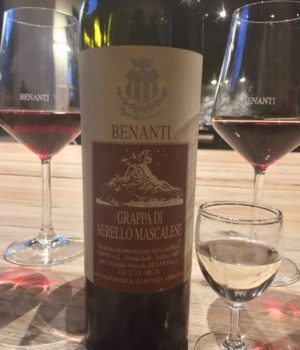
  • Arabs brought: almonds, aniseed, apricots, artichokes, cinnamon, oranges, pistachio, pomegranates, saffron, sesame, spinach, sugarcane, water melon  rice, raisins, pine-nuts , vegetables , fish , ice cream,  granita (made with snow from Etna and other mountains), cassata, marzipan, candied fruits, farming and irrigation techniques, and distilled grape for grappa;
  •  Normans brought :  the rotating skewer for cooking meat and air salting of fish;
  • The French brought:  a legacy of chefs for the aristocracy:
  • The Spanish brought : many vital ingredients of the today’s Sicilian diet;
  • The New World provided : chilli and sweet peppers, tomatoes, potatoes and maize.

Today, you will eat very well all over Sicily. One telling characteristic is that you will rarely eat anything that has not been produced within a few miles of where you are sitting.

The freshest fish on the coast, the tastiest meats and cheeses in the interior and a huge range of vegetables, fruit and mashrooms, all with a richness of flavour that you just don’t find at the supermarket!

The wine of Sicily

Sicilian Wine has an ancient origin today as well. According to legend, it was Dionysus (Bacchus) who brought pleasure to mankind, and wine to Sicily.

Legend aside, it is certain that wine has been made in Sicily for millennia. There is evidence that Mycenaean traders cultivated grapes in the Aeolian Islands as early at 1,500 BC and when the Greeks began to settle in Sicily in the 8th century BC, they too were unable to forgot their favourite libation “Oinos, and introduced several varieties of vines.

The history of John Woodhouse and Whitaker

The next significant date in Sicilian wine history is 1773, the year John Woodhouse began producing what destined to become one of the island’s best loved products: Marsala Woodhouse understood immediately that the  local wine could be transformed through the addition of alcohol, that would not only fortify the wine but also help it survive the sea journey back to England .

It was an instant success with the British, and other entrepreneurs, such as Ingham and Whitaker, soon hurried out to exploit the wine’s popularity.

The Florio family and the richness of Sicily

Towards the end of the 19th century, the English dominion in Marsala-making was brought to an end by the arrival of Vincenzo Florio, one of Italy’s first tycoons, who bought up much of the land around Marsala.

“Florio winery”, though in different hands today, remains one of the best producers of Marsala and a visit of their enormous barrel-filled winery is recommended. For most of the 20th century, Sicily continued to produce enormous quantities of grapes, most of which, however, were exported to be added to wine made elsewhere in Italy.

The last 20 years have seen enormous changes to the island’s wine culture and, as the many international prizes won by Sicilian producers confirm, some of Italy’s finest wines are now being made in Sicily.

10  beautiful places to visit in Sicily. From the North East to the South West

Sicily is really and  idyllic island , which brings a smile to your face face. Picture-perfect towns, amazing landscapes and food to die for!

Being the largest and one of the most beautiful islands in the Mediterranean Sea, there is so much to explore in Sicily,  and deciding on which places to visit can be a challenge.

As  I had one week to explore Sicily, I  put together a 7-day Sicily itinerary , which turned out to be perfect! I got to see impressive historic sites, relax on beautiful beaches, and so on. Here my list of 10 beautiful places to visit in Sicily!

1. Acitrezza

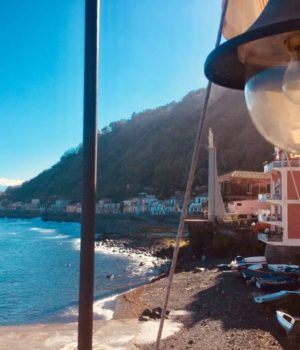
Aci Trezza is a quiet, low-key seaside town just north of Catania. There’s not a lot to do here besides relax and admire the “Riviera dei Ciclopi”, but that’s more than enough to fill your day.

Like many islands in the Mediterranean,  Sicily claims to be one of the destinations featured in The Odyssey”. Namely, the coast owes its name to an Homeric legend.  According to it Cyclops is believed to have lived beneath Mount Etna .  And the towering black rocks, which  rise out of the sea – actually great hunks of solidified lava – were thrown by the blinded CyclopsPolyphemus, in a desperate attempt to stop Odysseus escaping.

Aci Trezza isn’t home to sandy beaches — instead, you’ll find rocky areas for perching and sunbathing. Better yet, go for a beach club built on a deck on stilts, where you can relax underneath an umbrella and walk down a staircase into the sea.

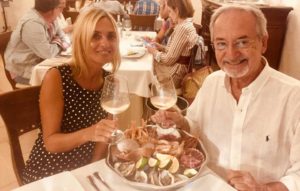
My day in Aci Trezza  was a glorious one  of eating granita”, walking along the picturesque waterfornt. I had a perfect dinner  at the restaurant  “Il Covo Marino” . I tasted  delicious oysters paired with “KiKè Fina winery” , which is my favourite Sicilian white wine.

“The Vendicari Nature Reserve” is a migrating ground for flamingos. It’ s a place that really shouldn’t be missed!  It is situated on the southern-most part of  Sicily’s east coast.  It’s  a mixture of lagoons ,  sand dunes, rocky coastlines, and sandy beaches.

“The Vendicari Nature Reserve” was instituted in 1984. It’s home to a wide variety of flora and fauna.  The most famous beach of this reserve is  called Cala Mosche beach”.  It’ s a sandy little bay that extends for about 200 meters, delimited by two rocky headlands that act as shield to the currents, with the result of an always calm and clear sea.

“Isola delle Correnti beach”  is regarded as one of the most beautiful tourist attractions of Portopalo di Capo Passero and the entire Sicily.

It is linked to Portopalo by a small strip of stone and it is able to enchant you thanks to its wild and unspoiled landscape.

The island is abandoned and the unique sign of the presence of humans is a lighthouse, an evocative military structure built near the home of the lighthouse keeper. The home was inhabited in the past by the keeper’s family.

The “Isola delle Correnti beach” is so named because this is the exact point where the Ionian and the Mediterranean Sea meet.

Siracusa  is a window into the ancient history of the Mediterranean and Europe. Its vast archeological site, on the edge of the modern city, is a rare treasure of temples, amphitheatres and an ancient castle.

The “Island of Ortygia” a labyrinth of charming ancient and medieval streets – makes for a delightful holiday of sightseeing and shopping.

5. Marzamemi

Marzamemi is  one of the most charming and authentic seaside villages in the south east of Sicily . It is 3 km away from Pachino, and is surrounded by the deep blue Ionian sea which creates two natural small seaports along the coast, called “Fossa” and “Balata”  .

The multicoloured harbours abound with blue, red and yellow-coloured Sicilian fishermen’s boats rocking slowly over the sea.

6. Tindari

The  history of Tindari  is a succession of tales, myths and legends that left indelible marks in the popular imagination.

The “Sanctuary of the Madonna Nera” (“The Black Madonna”) however, is the foremost attraction in Tindari. Inside, the sculpture of the “Virgin and Child”, in citron wood, is said to have reached Tindari in an attempt by the faithful to keep it safe from the 8th-Century Byzantine Iconoclast movement.

According to legend, the statue was abandoned by the sailors of a ship moored under the promontory; otherwise they feared that to take it with them would go against divine will and prevent them from setting sail anew. Today, the “Black Madonna” is venerated every September 7th.

7. Gioiosa Marea

Gioiosa Marea  is  well known for its beaches, from which it’s possible to see some unforgettable sunsets over the Aeolian islands.

8. “Scala dei Turchi”

“Scala dei Turchi” is a stunning rocky cliff on the coast of Realmonte, near Porto Empedocle, Southern Sicily.

9. Sciacca

Sciacca is an historic fishing port on the southern coast of Sicily. A workaday town rather than a polished tourist destination, it is famed for its ceramics, manufacturing coral , its thermal baths and its religious festivals, as well as for its large fishing fleet.

10. Licata

Licata is my hometown.  I’s a stunning city located on the south coast of Sicily, at the mouth of the Salso River , about midway between Agrigento and Gela.

Although it is now an important regional town and port, the historical center of Licata is quite compact and has many monasteries and churches that hold works of art of great artistic interest and are the highlight of your visit.

It’s a major seaport developed at the turn of the twentieth century, shipping sulphur, the refining of which has made Licata the largest European exporting centre.

Today Licata is worth visiting for many other reasons:

scala-dei-turchi-sicily-travel-wine-blog-weloveitalyeu

Sicily, a paradise where to live

Now, more than ever, it is time to explore and discover for yourself the unique, precious jewel that is Sicily, an island of contrasts and surprises.

Every time the sun sets down slowly, I know I always  find something special in my crazy Sicily, a  wild and unpredictable Island! It’s a perfect place where to go for your upcoming holidays!

If you like my post, please subscribe to the socials of www.WeLoveitaly.eu :


Cantina Benanti, Sicilia. Parte I

Cantina Benanti, Sicilia. Parte I

“Non invidio il paradiso, perché sono soddisfatto di vivere in Sicilia” 

Federico II di Svevia

“Cantina Benanti”, Etna: la  Sicilia che vorrei

Curiosa come tutti i  Sommelier,  penso che il vino sia un modo per guardare posti già battutti con occhi diversi. Il mio viaggio nei vini dell’Etna  mi ha dato la possibilità di esplorare  meglio lo  straordinario patrimonio vitivinicolo della Sicilia  , l’isola in cui sono nata.  Seguitemi in questo  racconto che parla di un Sud che vale!

Per questa scoperta devo ringraziare i miei colleghi toscani del  gruppo AIS di Lucca” . Sono loro i responsabili , che mi ha fatto innamorare  della “Cantina Benanti” con la degustazione di 2 dei lori vini:

“Cantina Benanti” , primo incontro al “Vinitaly 2018 “

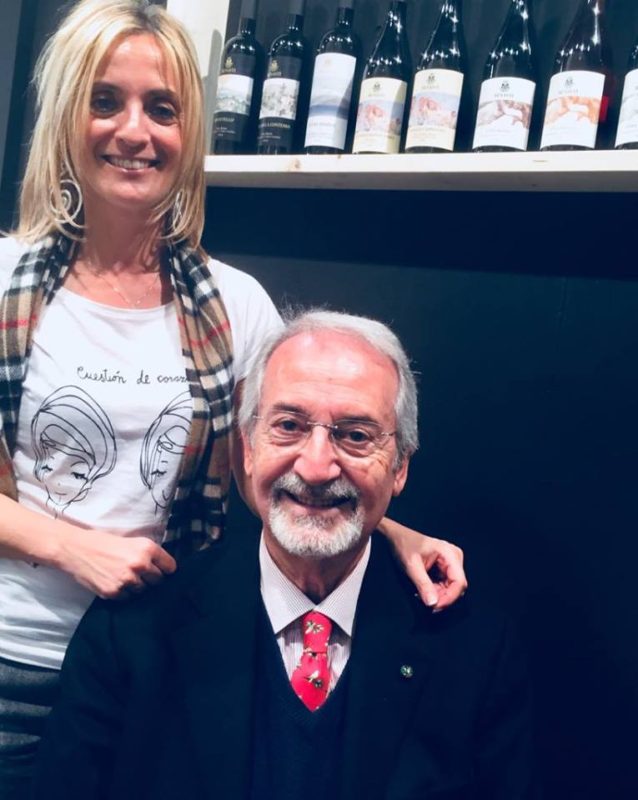
Il sogno di  conoscere meglio la  “Cantina Benanti”  si è realizzato a Verona, in occasione del   Vinitaly 2018″  , celebre manifestazione dedicata al mondo del vino.

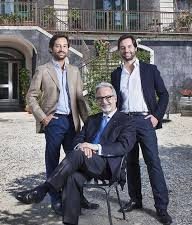
Giuseppe Benanti e  i figli Antonio e  Salvino , sono i titolari della  “Cantina Benanti” . Una realtà che in questi trent’anni è stata un vero e proprio traino per  la Trinacria, al punto da scatenare un vero e proprio “miracolo etneo” .

L’ uggiosa domenica di Aprile al Vinitaly 2018″ si è scaldata con la famiglia Benanti, appena mi hanno parlato della loro storia, del loro legame profondo con la terra, con la gente e la Sicilia.

I vitigni autoctoni dell’Etna

E ancora una volta la Sicilia mi è venuta in mente in tutto il suo splendore attraverso la degustazione delle  migliori  etichette della “Cantina Benanti , provenienti da sole uve tipiche  dell’Etna. Tra le quali:

  • Nerello Mascalese: questo è il principe dei vitigni rossi autoctoni dell’Etna,  Portato originariamente dai greci, questo vitigno arriva a maturazione nella terza decade di ottobre. Esso si presta a lunghe macerazioni, ed esprime il suo meglio quando il vino viene affinato per molti anni. Il vino che ne origina è fine ed elegante, scarico di colore, sapido e con tannini setosi;
  • Nerello Cappuccio (detto anche Mantellato) :  anch’esso un rosso autoctono di prestigio dell’Etna. Il suo nome è dovuto alla particolare conformazione della pianta, coltivata ad alberello. La sua origine non è nota , ma viene coltivato in loco da diverse centinaia di anni. La sua produzione è andata calando anno dopo anno . Per un certo periodo se ne è temuta pure  l’estinzione. Esso viene raccolto molto tardi, verso la metà del mese di ottobre. Il vino rosso che se ne ricava è fine, leggiadro ma al tempo stesso deciso;
  •  Carricante : anche questo è vitigno autoctono a bacca bianca  dell’Etna , ed  è un tesoro immenso.  Anch’esso tardivo nella maturazione, dà al vino un colore giallo paglierino e delle note minerali molto spiccate. Sorprendentemente per un vino bianco esso si presta ad invecchiamenti anche superiori ai dieci anni, caratteristica che lo pone idealmente prossimo ai Riesling alsaziani

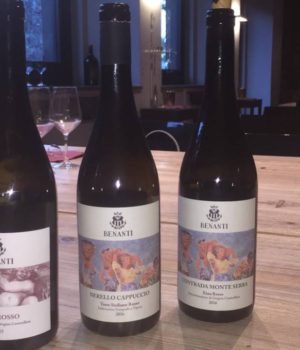
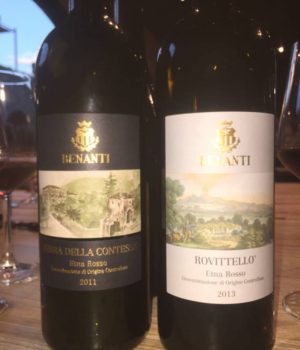
Ecco la mia top list dei vini della “Cantina Benanti”

“Cantina Benanti”, la rinascita dei vini dell’Etna

La  “Cantina Benanti”  è stata  protagonista della “rinascita dei vini dell’Etna. Giuseppe, Antonio e Salvino hanno lavorato per primi  e con amore i frutti generosi del territorio Etneo. Lo hanno ridisegnato e potenziato con ingegno e perfezione, davvero  un esempio lodevole di “viticultura eroica” alle pendici dell’Etna.

Il successo dei  dei vini dell’Etna è dovuto anche a un terroir unico nel suo genere :

  • Microclima mediterraneo e di montagna (Catania è, infatti, alla stessa latitudine della punta settentrionale della Tunisia,  e la vite sull’ Etna arriva fino ai 1300 m di quota);
  • Grandi escursioni termiche;
  • Suoli vulcanici ricchi ed eterogenei per composizione ( con la presenza di cenere e lapilli);
  • Diversa altitudine ed esposizione solare;
  • Età avanzata dei vigneti (spesso pre-fillosserici).

Intervista a Giuseppe Benanti. Castello di  Falconara

Sicuramente il Vinitaly 2018″ è stato un primo approccio importante per avvicinarmi  alla “Cantina Benanti” . Al rientro  nell’isola per le mie vacanze estive, ne ho approfittato per fissare un’intervista con Giuseppe Benanti, il fondatore nel 1988  della storica impresa vinicola .

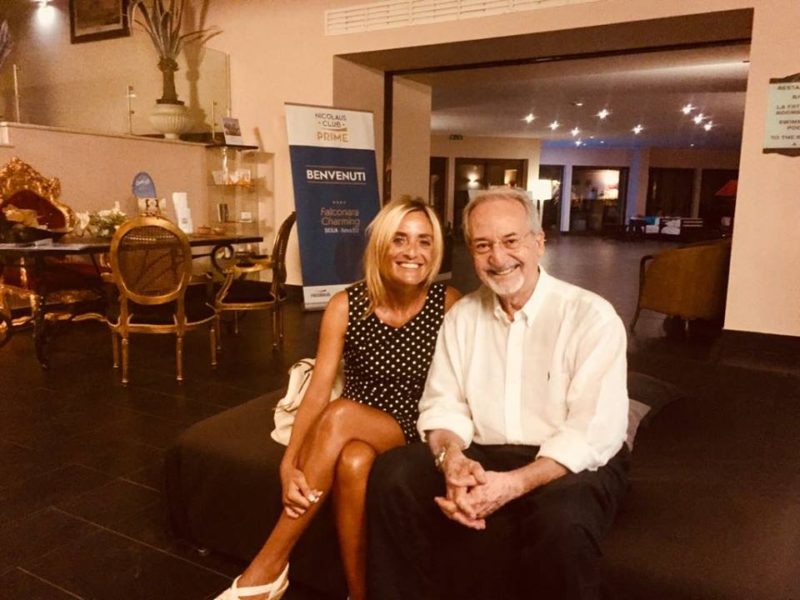
L’incontro è avvenuto presso il favoloso Falconara Resort” (Butera) . Ci siamo ritrovati a fare due chiacchiere come tra buoni amici sotto un pergolato di palme e ulivi , che ci hanno riparato dall’afa di un sabato d’Agosto. Location perfetta per accogliere una personalità di spicco  come Giuseppe Benanti .

Tra un aperitivo e l’altro , davanti lo spettacolo di un mare africano , e di un orizzonte infinito , il cavaliere si presenta con tutta la semplicità e la classe che contraddistingue la sua prorompente personalità.

La storia del Cavaliere Giuseppe Benanti

Giuseppe Benanti  è un imprenditore catanese nel campo della farmaceutica da generazioni. Giusto per essere precisi il cavaliere è stato promotore della “Sifi” , la società catanese del settore oftalmico . Questa è terza in Italia per quote di mercato, dietro due multinazionali !

Giuseppe Benanti è un uomo di altri tempi , che ha  una grinta e una voglia di vivere da fare invidia a un ventenne! Ha avuto varie nomine per il suo grande genio, tra queste quella di Cavaliere del Lavoro, ed Accademico Aggregato dei Georgofili.

Giuseppe Benanti ha fatto di un’ antica passione di famiglia per il vino un punto di riferimento ed un fiore all’occhiello per l’intera economia del  territorio Etneo e Siciliano.

Come è iniziata l’avventura di Giuseppe Benanti nel vino?

Tutto iniziò quasi per caso a fine anni’ 80 al Picciolo Golf Club” di Castiglone di Sicilia. Giuseppe Benanti era per caso a pranzo con Francesco Micale, suo caro amico medico .  Rimanendo insoddisfatto di un rosso ordinato al tavolo, scommise che si poteva e si doveva fare di meglio in fatto di vini a Catania.  Perché l ‘Etna  era un luogo ricco di grandi potenzialità.

Giuseppe Benanti, uomo di mondo, sofisticato, ma anche profondamente legato alla Sicilia, tornando in patria, non  si accontentò certo di  bere vino mediocre! Cominciò così a cercare quel qualcosa in più nel vino  che altri non furono in grado di scovare

Un visionario dall’ animo inquieto, che nel giro di pochi anni realizzò il “rinascimento” dei vini Etnei. a dispetto del più  modaiolo Nero d’Avola di quel periodo.

Francia e Piemonte come modello per dei vini Etnei nuovi e di tendenza

Giuseppe Benanti comprese velocemente  il tremendo potenziale non sfruttato sulla “muntagna” , e si circondò di uno staff di autorevoli personalità dell’ enologia provenienti dalle Langhe e dalla Borgogna. Tra questi :

Giuseppe Benanti fu  un pioniere in fatto di vino, perché  intravide una punta di diamante laddove gli altri fermarono lo sguardo su uno strato di carbone.

Valorizzazione dei vitigni autoctoni dell’Etna

Giuseppe Benanti ebbe un’intuizione importante  che  poi diventò una filosofia aziendale:

Il cavaliere  capì che bisognava puntare a Nord dell’Etna per i rossi autoctoni,  quali il Nerello Cappuccio, e il Nerello Mascalese. Per i bianchi autoctoni, quali il Carricante, Giuseppe Benanti puntò  invece più a Sud dell’Etna,  precisamente nel comune di Milo  .

Per cui il primo polo dellla cantina  nasce nel 1988,  a Castiglione di Sicilia  con l’originario nome  di “Tenuta di Castiglione”.

Giuseppe Benanti , un visionario del vino

Dopo nel 1994  Giuseppe Benanti lavorò per conto di terzi l’area vitivinicola a  Santa Maria di Licodia (Etna sudovest). Poi  finì per allagarsi fino a  Monte Serra a Viagrande (Etna sud est), zona del nonno, riprendendo con ben altra visione l’attività amatoriale di famiglia avviata qui alla fine del 1800.

Giuseppe Benanti investì tutto e subito con decisione su tali varietà. Effettuò circa 150 prove di micro vinificazione. Inoltre valorizzò sia i tradizionali assemblaggi tipici della DOC Etna Rosso” (Nerello Mascalese più Nerello Cappuccio) , che i mono vitigni , che  all’ epoca  erano una vera rarità.

Famiglia Benanti,  carattere Etneo dal 1734

Nel  giro di pochi anni la “Cantina Benanti”  ispirò diversi produttori giunti in seguito sull’ Etna e diventò in breve tempo  un  distretto vinicolo di eccellenza.

Dal  2000 a oggi la “Cantina Benanti”  contribuì  ad incrementare ancor di più la visibilità e la conoscenza dei vitigni autoctoni etnei, e si evolse attraverso importanti tappe aziendali.

Tra queste:

  • 2003 primo spumante metodo classico dell’Etna da uve Carricante;
  • 2010 selezione ed ottenimento del brevetto di quattro lieviti autoctoni, ancora oggi, esempio unico sull’ ’Etna. 

Cambio generazionale: Antonio e Salvino Benanti

Nel 2012  si affiancarono a   Giuseppe Benanti  i figli Antonio e Salvino. Classe 1974, i brillanti gemelli erano reduci da esperienze accademiche e lavorative di diversi anni all’estero e poi in Italia.

Antonio e Salvino interpretarono con ancora maggiore focalizzazione e rigore il modus operandi dell’azienda .  Agirono da subito con grande decisione facendo scelte importanti.

“Cantina Benanti”, un modello da seguire per una Sicilia migliore!

Si era fatto tardi al Falconara Resort”Giuseppe Benanti e io ci avviammo a cena  alla “Bottega”, un rinomato ristorante del lussuoso  “Relais Villa Giuliana” (Agrigento)

Un piatto gigantesco di crostacei freschi serviti su ghiaccio e una bottiglia di “Seleziona di Familia di Cantine Milazzo” fu l’unica cosa capace di far scendere improvvisamente il silenzio tra me e il cavaliere.

In conclusione ,   Giuseppe Benanti  è un motivo in più per essere fiera delle mie origini siciliane. La sua carriera professionale , e il suo modo di pensare vanno oltre il provincialismo italiano, motivo per cui ha creato un impero che corre come al presente come un treno!

Scheda e info utili della “Cantina Benanti”

If you like my post, please subscribe to the socials of www.WeLoveitaly.eu :


Joe Castellano, Agrigent

Joe Castellano, Agrigent

“I hate and detest Sicily in so far as I love it, and in so far as it does not respond to the kind of love I would like to have for it”

Leonardo Sciascia

Joe Castellano

Joe Castellano is  my favourite Sicilian artist. I love his great personality . Thanks to him  I have learned a lot about music and wine .

I had a special lunch with Joe Castellano, who is called “Dr. Joe”,  at “OceanoMare” during  my Christmas holidays in Sicily,  This is  a gorgeous pub & restaurant nestled on a quiet beach looking out to a marvellous tract of clear blue sea in Agrigent, Sicily!

Enjoying that pleasant atmosphere with Joe Castellano between an octopus salad and a glass of Franciacorta wine”, I listened intently as he described the beginning of his passion, which is music! Follow me ! Read my post about a life dedicated to a man who loves what to do!

The history of Joe Castellano 

Musician, composer and arranger of international fame, Joe  Castellano has been  now in the limelight of Italian blues since 18 years. He has led his “Joe Castellano’s Super Blues Band” on the most prestigious stages of the best music festivals .

From year 2004, he and his own Super Blues & Soul Band”  were awarded as “Best European new original Big Soul Band” by the National Italian Radio – RADIO 1 RAI” – and by so many international radios and legendary American artists.

In the June 2009 his last double live record “Blues & Soul with my Latin side” was  inserted  in the special hit “Top 25 album of the year” for the biggest “American Blues/Soul Radio”, “Blues Critic Soul Radio”.

His success in America

Joe Castellano took up a career as musician when he was only 14 and after several experiences, always connected with black music.

In 1994  he debuted with his  “Super Blues & Soul Band” together with its special guest, the American sideman Arthur Miles (nephew of Jack McDuff and contributor to the first Zucchero‘s releases). During the summer of the same year, he performed the opening act for the great king of soul Solomon Burke.

The  “Super Blues Band”

Since many years Joe Castellano has been regarded as one of the most representative musicians of European “Soul/Blues Music”. He has reached such a high level with his Super Blues & Soul Band”, that it has aroused enthusiasm also in the most expert public and in the most exigent critics in the world.

Active since more than 18 years on the blues stage, Joe Castellano has played with and has hosted in his band some leading international musicians, such as:

Famous collaborations in Italy

Joe Castellano  sometimes hosted in his shows also some of the best  Italian Soul/Blues Musicians, such as:

Joe Castellano has performed the opening act for :

Since 2003 he has been awarded “Best soul performer in Italy” by Radio 1 RAI”every year . Moreover, he was finalist in the prestigious “International Songwriting Competition” (Nashville), which is a festival devoted to the best composers in the world.

His performance in Europe

Joe Castellano performed in the best Italian and European blues festivals from Nancy to Munich for many years. 

Since 1995 he has been organizing promotional events and side-events for “Blues & Wine Soul Festival, playing in some celebrated theatres and famous cities such as: Rome, Naples, Florence, Milano, Taranto, Cesenatico, Trieste, L’Aquila, Ruffano (Lecce), Agrigento, Lamezia, Palermo, Cefalù, Siracusa, Marsala, Noto and many others. 

Joe Castellano took also  part in and organized several concerts all around Italy and abroad, such as: 

Since 2010 on he has also presented the show “Joe Castellano & The Super Soul Legends”.

“Blues & Wine Soul Festival” of  Joe Castellano  started in  Sicily 15 years ago. Its aim was, and still is,  not only to revive  the best of the worldwide Blues & Soul Music performing  an itinerant circuit through Europe, but even to export wine & good excellences from Sicily to Italy and from Italy abroad.

This is done by programming the realization of workshops, conferences, meetings with the wine-makers and journalists  during the days of his shows in Italy,  Europe and in the USA.

Joe Castellano and his love for Sicily

Joe Castellano wrote sound tracks for important films during last years contributing to spread the best essence of what it means to be Sicilian:

  • Character, passion, determination, kindness .

Mixing Sicilian and  soul music for first time, he  discovered and renewed  the authentic and genuine Sicilian spirit through his innovative notes.

The song of Joe Castellano for Francesco Lama. a Sicilian film director

An example of the successful  attempt of Joe Castellano  is a list of beautiful tracks written for the soundtrack of two important films directed by the Sicilian Director Francesco Lama:

  • “Lo Sposalizio” (“The Sicilian Marriage”):  with the songs “Circannu Amuri” (“Looking for some kind of love”), “A Caminata” (“The Walking”and “Rosa” ;
  • “I Siciliani” :  with “Juliette”, Old images”, “I wanna talk you about a woman”, “Rosa”.

It’s really difficult to sum up his carreer of Joe Castellano , who is also   a manager at the “Administrative Court of Agrigent”. 

Joe-Castellano-blues-wines-festival-agrigento-sicily-travel-weine-blog-weloveitalyeu

Joe Castellano, freedom is to be able to choose!

At the end of December, I  had a special lunch with  Joe Castellano  and other nice friends at the amazing restaurant “Arrhais” in Finale di Pollina .

I asked him : “could you give up your present job to go on only with music?”. His  answer was clearly:  “No”!

Music is pure art!

As he  said, one of the biggest challenges facing musicians is generating income, because  a band could rely solely on music sales and touring to earn a living! The worse risk is  to submit music to the law of market.

Joe-Castellano-blues-wines-festival-agrigento-sicily-travel-weine-blog-weloveitalyeu

Joe Castellano likes to see himself as an artist much more than a musician, because he is a free spirit looking for that intimate sense of beauty.

The essence of  his kindness  is his poetry called  “Sunny”, which is about the traditional tomatoes farming in Sicily with the vivid images of an hot and  pleasant working day.

Bye Bye Joe Castellano , see you soon in Sicily!

If you like my post, please subscribe to the socials of www.WeLoveitaly.eu :


Calici sotto le Stelle 2012. Licata, Sicily

Calici sotto le Stelle 2012. Licata, Sicily

“Calici sotto le stelle”, a great wine exhibition in Licata, Sicily

On the 6th of August 2012, me and the chef  Elena Curzio  met each other in Licata, my home town in Southern Sicily . We had   a job meeting at  the the tourist harbourMarina di Cala del Sole”. 

We talked about our passions for wine and food. That’s why  we worked together for  realizing Calici Sotto le Stelle” (“Glasses under  the Stars”) , which is a famous  national wine exhibition. Every year  this fantastic kermesse takes place exactly on the 10th of August  to celebrate the “Notte di San Lorenzo” (“Night of San Lorenzo”).

The “Night of San Lorenzo”

The “Notte di San Lorenzo”  is a celebration dating back to Roman and Etruscan times, if not earlier. Catholics marked this day in remembrance of the martyr, believing the falling stars represent the tears shed by the saint during his torture.

During this special date, you’ll find a special programme of Calici Sotto le Stelle”  from the North to the South. There are lot of parties and wine festivals for visitors based  in nice villas and wineries.

calici-sotto-le-stelle-2012-licata-travel-blog-weloveitalyeu

Elena Curzio and her biscuits for “Calici sotto le stelle 2022”

Elena Curzio  had the brilliant idea to prepare star-shaped biscuits with the top red wine of  “Estate Barone La Lumia” , a local  winery . They were served with other appetizers during the dinner of Calici Sotto le Stelle” at the tourist harbour of “Marina di Cala del Sole”.

“Marina di Cala del Sole”, a stunning tourist harbour in Licata, Sicily

Marina di Cala del Sole”. is the new modern tourist port of Licata (Agrigent), on the south coast of Sicily  Located in the center of the Mediterranean, it is the ideal base for those who sail to the islands of Malta, Gozo, Pantelleria, Lampedusa, Linosa, Egadi, or to Spain, Greece, Turkey and North Africa.

With 394 berths for boats up to 70 meters, in a safe basin and with excellent services,Marina di Cala del Sole” is an integrated system between sea, water-front and surrounding territory: the marina is full of green areas, pedestrian and cycle paths, with elegant shopping and entertainment areas, one residential village, all just a few meters from the historic baroque town of Licata.

Licata, Agrigent

If your trip in Sicily is all about relaxing, then Licata is a must-visit destination. You can immerse yourself in the unspoiled nature of the coast and enjoy some of Sicily ’s most beautiful beaches.

Plus, if you’re a history and archaeology enthusiast, you’ve got your work cut out for you in this beautiful town: archaeological remains, castles and museums make it one of the most fascinating destinations in the area, shrouded in the charm of history and legend.

Sicily is waiting for you!

If you like my post, please subscribe to the socials of www.WeLoveitaly.eu :


Cantina Benanti: un viaggio nel cuore dell’Etna. II Parte

Cantina Benanti: un viaggio nel cuore dell’Etna. II Parte

“La Sicilia è il paese delle arance, del suolo fiorito la cui aria, in primavera, è tutto un profumo… Ma quel che ne fa una terra necessaria a vedersi e unica al mondo, è il fatto che da un’estremità all’altra, essa si può definire uno strano e divino museo di architettura.”

“Cantina Benanti” , carattere etneo dal 1734

Il sogno di visitare la Cantina Benanti” a Viagrande in Sicilia, si realizza per il mio compleanno l’08 Ottobre 2018.  Io e la mai amica Anna arriviamo in tarda serata all’aeroporto di Catania e noleggiamo una  Fiat Cinquecento e ci avviamo in albergo.

Sistemiamo le valigie e ci dirigiamo in un ristorante nei pressi del “Castel Ursino”, vicino il centro storico di Catania. L’ aria è ancora estiva, e c’è tanta gente seduta fuori ai tavoli dei locali che rallegrano l’ atmosfera . Per cena ordiniamo vino rosso e carne di cavallo alla griglia, specialità di queste parti.

Io e Anna facciamo un giro per le strade illuminate di  via Etnea,  boulevard di Catania, e parliamo dei  ricordi legati alla nostra isola e di come è difficile starle lontani. E per questo motivo voglio condividere questa visita alla Cantina Benanti” , per suggerirvi un posto unico per le vostre prossime vacanze!
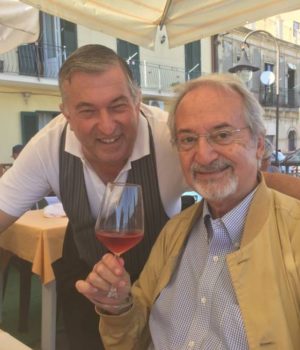
La visita alla “Cantina Benanti”, Rovitello, Catania

All’indomani del nostro arrivo in terra patria, la prima tappa è la colazione da Saiva”,  storica pasticceria e tavola calda di Catania. Ci concediamo caffè nero bollente e due dolci enormi tipici della gastronomia siciliana.

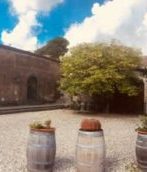
Cariche di energia dopo circa 20 minuti da Catania   facciamo finalmente tappa alla  Cantina Benanti”,  a Viagrande. Si apre un cancello in ferro battuto e vediamo un lungo viale alberato, ci incamminiamo ed è come essere entrati in un altro mondo.

Lascito  il caos di Catania è come entrare in un’ altra dimensione:  un parco privato con un vulcano in mezzo,  dove ogni cosa sembra essere messa al posto giusto.

Davanti a noi c’è un grande palazzo a due piani in pietra lavica e  un parco adiacente, dove Giuseppe Bennati  ci aspetta con il suo inseparabile  Jo, un pastore tedesco affabile e cordiale.

L’antico palmento

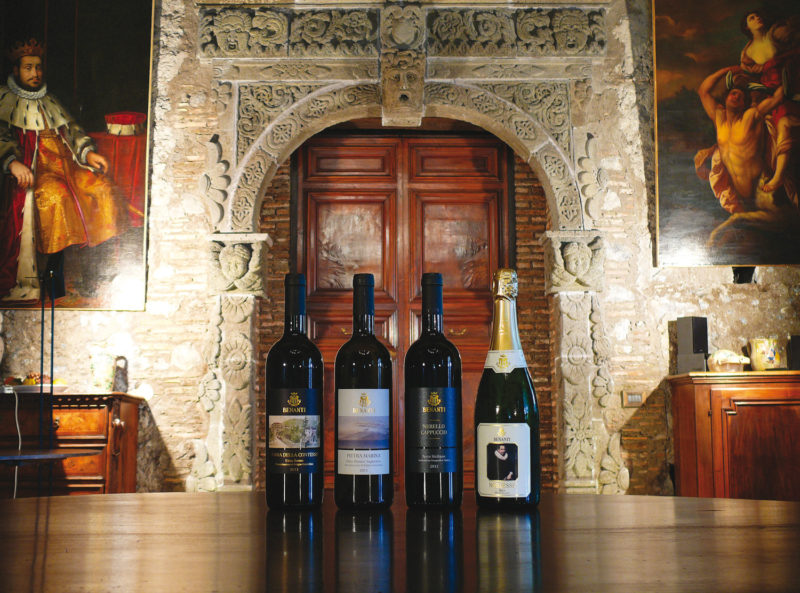
Giuseppe accoglie me e  Anna nella sua straordinaria azienda con un magnifico sorriso e una magnum di “Noblesse”, bollicine di puro Carricante. Successivamente entriamo insieme nel vecchio palmento, antiche vasche scavate nella roccia e collegate da un canale, in cui avveniva la pigiatura dell’uva per produrre il mosto.

Giuseppe spiega con un rigore quasi scientifico l’importanza di quel vecchio palmento e la sua funzione per la produzione del vino. E con una nota di melanconia ricorda i profumi del mosto di quando è piccolo, quando il nonno lo porta a “pistare la racina ” (“pestare l’uva”). Il cvaliere cita anche in dialetto catanese i versi dei canti dei contadini di un tempo , che accompagnavano le fatiche e le gioie dei campi.

Il palmento è rimasto integro, e da lì attraverso una porta a vetri si va al salone delle feste. Questo è infinito  con il suo  pianoforte a coda,  e adornato da mobili di prestigio ,   specchi antichi e quadri di valore.

“Noblesse”, bollicine di puro Carricante. Un successo programmato!

Giuseppe ama, cura e celebra l’arte e la bellezza in tutte le sue forme.  Che siano  le sue vigne alle pendici dell’Etna o le tele secolari,  i cui personaggi enigmatici sono oggi alcune delle etichette dei suoi vini. Come quella che adorna il “Noblesse 2003”, primo metodo classico di Carricante dell’ Etna  Si tratta del ritratto di un nobile misterioso, che Giuseppe trova  e rispolvera a  Palermo, che si fa risalire al periodo in cui Antoon Van Dick vise  in Sicilia.

La hall delle degustazione della “Cantina Benanti”

Altre parti interessanti della cantina sono:

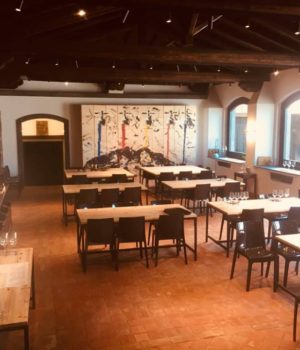
  • L’ala dedicata alla degustazione: questa è molto  luminosa. Ci sono tavoli e sedie di prestigio. Spicca una gigantografia colorata che ha come soggetto l’Etna, proprio come tutti i libri cartonati da collezione sparpagliati ovunque;
  • La cella dove dorme il vino, pieno di barrique e tonneau, che stanno lì ad aspettare di finire il loro lavoro;
  • Una magnifica piscina da cui si vede il Monteserra.

“Cantina Benanti”, un giardino di natura e d’arte alle falde dell’Etna

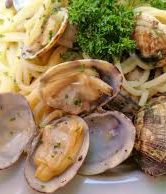
Il brontolio dello stomaco ci suggerisce che è ora pranzo, ci allontaniamo io, Anna e il cavaliere  iper pranzare alla “Trattoria Scalo Grande”, a Santa Maria La Scala. Ci deliziamo con gamberoni freschi e  linguine alla vongole.

Siamo seduti con di fronte un panorama mozzafiato: un mare blu cobalto, delle barche che ondeggiano e dei gabbiani , che virando nell’aria sembrano quasi darci il benvenuto.

Vini Benanti , vini d’autore

Tornati in cantina  Giuseppe ci inizia alla magnifica degustazione dei vini Benanti, e fornisce dei dettagli sulla Cantina Benanti”, sui vigneti, e in particolare sull’importante contributo di tutto lo staff aziendale. In particolare  quello dei due figli , Antonio e Salvino, a cui oggi è affidata la direzione.

La storia della  famiglia Benanti

L’origine della famiglia Benanti è bolognese e va indietro nel lontano 1734. A quel tempo si chiamano “Benati”. Poi grazie a un provvedimento regale, si chiede a un loro antenato di spostarsi in Sicilia e fare fiorire un ramo e al tempo stesso di cambiare il nome da “Benati” a “Benanti”.

Sono da generazioni proprietari terrieri, dediti alla viticultura dell’Etna. Successivamente diventano anche imprenditori nel campo della farmaceutica,  fondando nel 1935 a  Catania   la  Sifi, una delle più importanti imprese in campo oftalmologico.

Giuseppe Benanti e le origini della cantina

Il vino è una passione di famiglia trasformato da  Giuseppe Benanti, anche lui imprenditore farmaceutico, nella Cantina Benanti”  nel 1988 a Viagrande, versante Est dell’Etna.

Tutto comincia quando Giuseppe è a pranzo con l’amico medico Francesco Micale al pranzo al ” Picciolo”, Castiglione di Sicilia. Lui desidera un gran vino rosso dell’Etna, ma non trova  niente di simile sul menù ! Giuseppe sceglie di valorizzare il territorio Etneo, da sempre comunque votato alla viticultura, ma non vuole solo la qualità, vuole l’eccellenza.

Francia e Piemonte come modello per la rinascita del vino etneo

Ed ecco che Giuseppe inizia un progetto portato avanti in collaborazione con  numi dell’enologia, tra questi:

  • Salvo Fot:  il più importante agronomo ed enologo siciliano;
  • Rocco Di Stefano,   professore dell’ “Istituto Sperimentale per l’Enologia di Asti” ;
  • Jean Siegrist professore dell’ ’ “INRA” di Beaune.

Da quel momento in poi si pongono le basi per produrre grandi vini sull’ Etna e si dà inizio “rivoluzione dei vini etnei”.

Le vigne acquistate o gestite nei comuni di Castiglione di Sicilia (Etna nord) e Milo (Etna est), sono già impiantate o vengono coltivate a Nerello Mascalese (Castiglione di Sicilia) e Carricante (Milo), i vitigni autoctoni del vulcano.

A metà degli anni novanta Giuseppe scommette da  subito e  con decisione su tali varietà. Effettua circa 150 prove di micro vinificazione, e valorizza sia i tradizionali assemblaggi tipici dellaDOC Etna Rosso” (Nerello Mascalese e  Nerello Cappuccio) che i monovitigni, all’epoca una vera rarità!

Le vigne  della “Cantina Benanti”

Giuseppe collabora con coltivatori di Santa Maria di Licodia (Etna sudovest), mentre nel 1998,  dieci anni dopo la  creazione  della sua cantina,  l’azienda si espande anche sul Monte Serra a Viagrande (Etna sudest).

Un lavoro pionieristico quello di Giuseppe , che vuole da sempre portare in un calice tutto il terroir dell’Etna.

Il risultato :

La rivoluzione della famiglia Benanti con il vino dell’Etna

Grazie alla passione e al genio di Giuseppe Benanti, l’Etna fa parlare  di “rinascita” e successo. L’Etna diventa un nuovo distretto vinicolo d’eccellenza. Inoltre attira altri produttori ella “muntagna”, ispirati dai traguardi ottenuti dalla Cantina Benanti” negli anni ‘9o nella lavorazione del Carricante, del Nerello Mascalese e del Nerello Cappuccio.

Nel 2005 Cantina Benanti”   avvia una lunga ed importantissima sperimentazione che porta nel 2010 alla selezione ed all’ottenimento del brevetto di quattro lieviti autoctoni. Ancora oggi, esempio unico sull’Etna.

Antonio e Salvino Benanti

Nel 2012 i gemelli Antonio e Salvino, classe 1974, reduci da esperienze accademiche e lavorative di diversi anni all’estero e poi in Italia, accompagnano il padre Giuseppe Benanti in questa splendida avventura imprenditoriale.

Antonio e Salvino portano energia e innovazione nella Cantina Benanti, mantenendo intatte la filosofia aziendale, cioè la valorizzazione dei vitigni Autoctoni Etnei. I fratelli Benanti si  formano alla “International School di Ginevra” ed in seguito alla “European Business School” ed all’ “Imperial College di Londra”.

Un ricco percorso accademico, seguito da altre importanti esperienze lavorative formative nel campo della finanza anglosassone.

Un ricambio generazionale vincente

L’idea di Antonio e Salvino è quella di portare i vini Benanti in giro per l’Italia e il mondo, vini di alto livello pensati per tutti. E non solo per esperti e palati sofisticati. Una tattica vincente che conferma il grande successo dei vini Benanti nel mercato nazionale e internazionale.

Antonio e Salvino portano avanti strategie molto chiare e pienamente condivise, ed agiscono da subito con grande decisione facendo scelte importanti, come quelle di seguito riportate:

  •  Dal 2004 attribuzione del ruolo di enologo, responsabile tecnico di  vigna e  cantina ad Enzo Calì;
  • Dismissione di alcune proprietà ed alcuni vigneti e terreni considerati non strategici, con conseguente abbandono dei vini ad essi collegati;
  • Acquisto di ulteriori tevigneti, in parte anche da conferitori storici, ubicati in sotto zone di eccellenza sull’Etna a Rovittello e a Milo;
  • Avvio formale della certificazione biologica per i vini.

8 modernità della “Cantina Benanti”

Con i fratelli Benanti la parola d’ordine è investimenti, e tra quelli più importanti che sono stati fatti , ricordiamo:

  1. Nuovi sistemi di controllo delle temperature;
  2. Nuova strumentazione di laboratorio,;
  3. Una nuova pressa pneumatica;
  4. Botti grandi in sostituzione di legni più piccoli;
  5. Impianti di produzione di energia da fonti rinnovabili;
  6. Allestimento di nuovi e moderni spazi sia per lo stoccaggio e la movimentazione (circa 250 posti pallet) che per il lungo affinamento (circa 200 posti pallet) del vino imbottigliato, con impianti di condizionamento all’ avanguardia;
  7. Sviluppo di un’attività di accoglienza e degustazioni in cantina;
  8. Ampliamento, rinnovamento e consolidamento della rete commerciale, composta da distributori e importatori specializzati in vini di eccellenza, oggi in grado di coprire circa quaranta mercati in circa trenta paesi nel mondo.

Antonio e Salvino portano a termine il  passaggio generazionale, ma il core business   rimane sempre  loro padre  Giuseppe Benanti !

Quali sono le zone dell’Etna più vocate per la “Cantina Benanti”?

La Cantina Benanti” si estende per 20 ha, nei comuni di:

Quali sono i migliori vini della “Cantina Benanti”?

La produzione, altamente specializzata, oggi ammonta a circa 160.000 bottiglie (obiettivo nel medio periodo 190.000-200.000).  I vini Benanti prodotti sono:

Spumanti:

Classici:
Monovitigni:

I vini Benanti nel mondo

I vini Benanti sono esportati in importanti mercati esteri, tra i quali spiccano :

  • gli Stati Uniti, il Canada, la Gran Bretagna, la Francia, la Scandinavia, la Svizzera, il Belgio, la Russia, l’Austria, Singapore, Hong Kong, la Cina continentale, il Giappone, l’Australia e la Nuova Zelanda.

I vini Benanti ricevonoapprezzamenti convinti ed unanimi e creando consenso tra gli appassionati e tra i professionisti.

6 riconoscimenti dei vini Benanti

Fra i principali riconoscimenti ottenuti risaltano quello di “Cantina Italiana dell’Anno”:

Una Sicilia dall’anima nobile

La Cantina Benanti” è diventata un’azienda di nicchia specializzata nella produzione di vini dell’Etna, votata all’eccellenza qualitativa.

I Vini Benanti esprimono appieno  il Terroir Etneo,  sono vini autentici, fatti per durare nel tempo ed accompagnare i piatti delle migliori cucine. Non sono vini alla moda, né puntano ad esserlo. Essi ambiscono invece ad entrare nell’élite dei grandi vini d’Europa.

Il vino non è un business è una passione! Ed ecco il mio regalo per il mio compleanno,  un giorno  con la mia amica Anna e il cavaliere Benanti.  Un’esperienza che non dimenticherò mai, insieme al profumo, al  sapore dei vni Benanti.  Un articolo che è un omaggio alla bellezza e allo splendore dell’ Etna, che vi invitio a vederre presto!

If you like my post, please subscribe to the socials of www.WeLoveitaly.eu :