‘Podere Marcampo’ winery, Volterra, Tuscany

‘Podere Marcampo’ winery, Volterra, Tuscany

“Accept what life offers you and try to drink from every cup. All wines should be tasted; some should only be sipped, but with others, drink the whole bottle.”

Paulo Coelho

‘Podere Marcampo winery , Volterra, Tuscany

Six years ago two things happened to change my life. First of all, I fell in love with Tuscany , and then I became a sommelier. These were the starting points allowing me to discover the hidden delights of the wine of Pisa . Its area is a charming sun kissed land, stretching from the hills to the sea, blessed by God, as beautiful as unexpected!

Wine runs deep in the veins of Tuscany, being woven into the cultural identity of this central Italian paradise. The wines of Pisa are synonymous with excellence thanks to the efforts of many skilled professionals.

Follow me reading my post about ‘Podere Marcampo winery’ , which is one of the most rappresentative wine enterprise  in Pisa. You’ll discover hidden treasure in the hills of Pisa.

‘Podere Marcampo Winery’ , the jewellery of the hills of Pisa

‘Podere Marcampo winery’ is one of the most important wine business  in the hills of Pisa.  ‘The hills of Pisa’ is not only a ‘DOC label’ , but also a ‘wine road’ , playing an increasingly important role in wine production in Tuscany . It’s  on the rise only recently , starting to get the recognition that is deserves.

‘The hills of Pisa’ meanders through the hills of the valley of the Era River and the lower part of the Arno Valley crossing a territory with traditions dating back to the time of the Etruscans.

‘Podere Marcampo winery’ is green! 

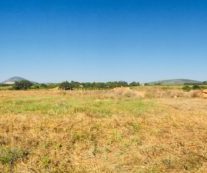
If you head towards this entrancing place you will be greeted by an environment almost untouched by modernity . It ranges from picturesque scenery of mesmerising color set amongst the trees to places, where wine and oil are still cultivated and produced in the traditional way.

‘Podere Marcampo winery’  is an organic biodynamic wine estate which reflects all the beauty and wine production potential of the ‘the hills of Pisa’
podere-marcampo-winery-travel-wine-blog-weloveitalyeu

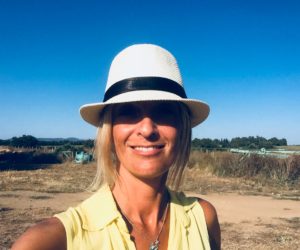
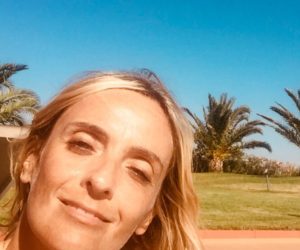
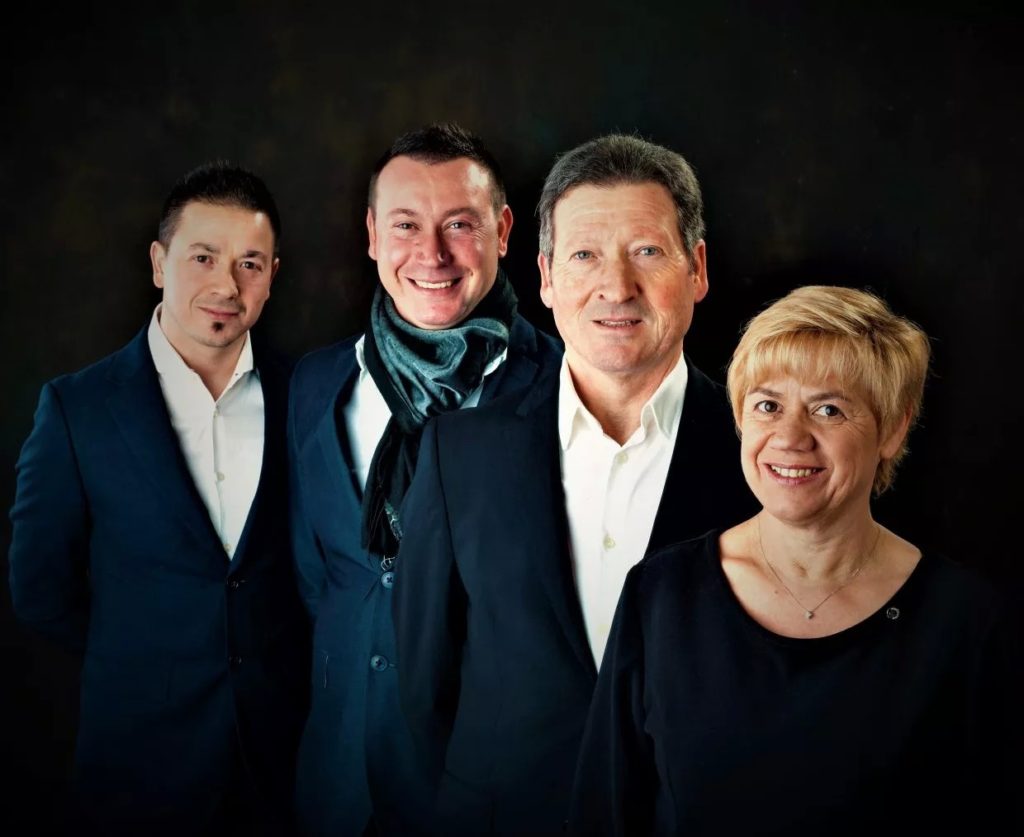
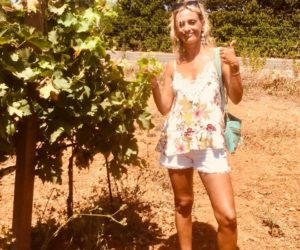
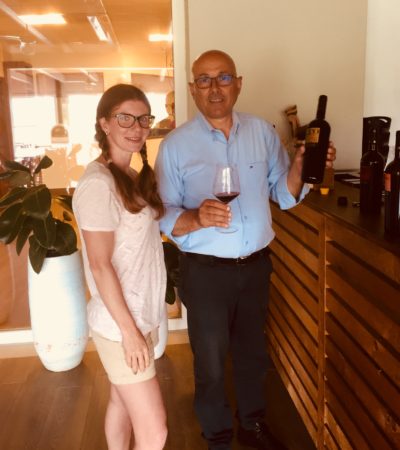
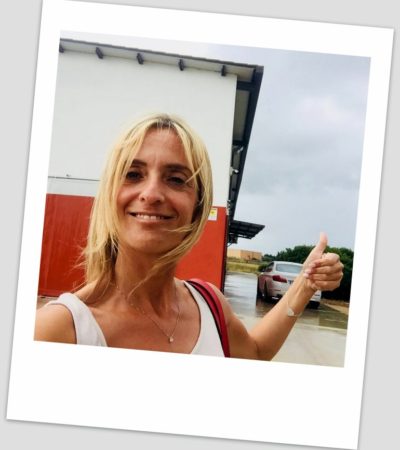
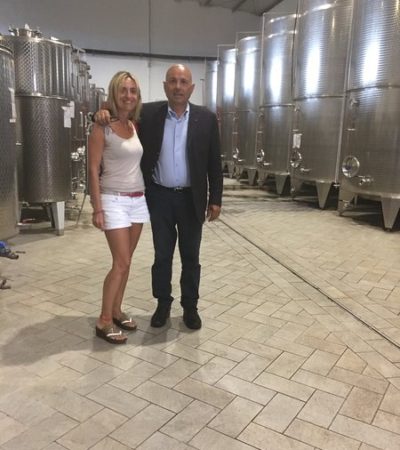
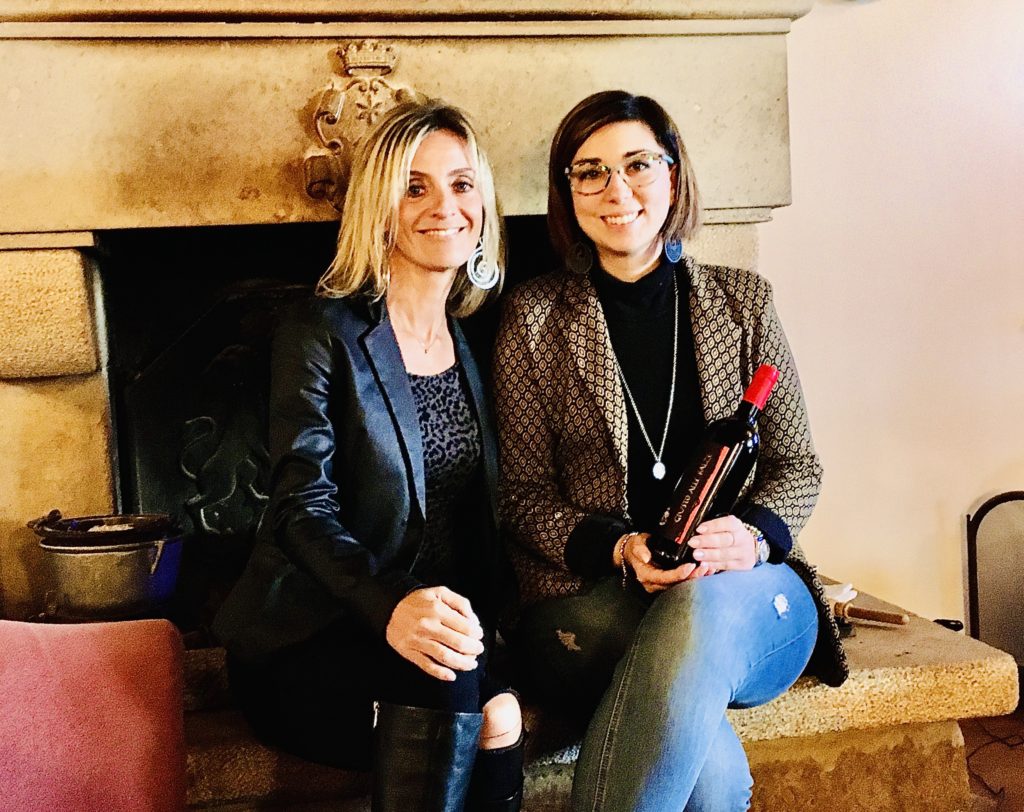
Claudia del Duca, the woman of the wine at ‘Podere Marcampo winery’

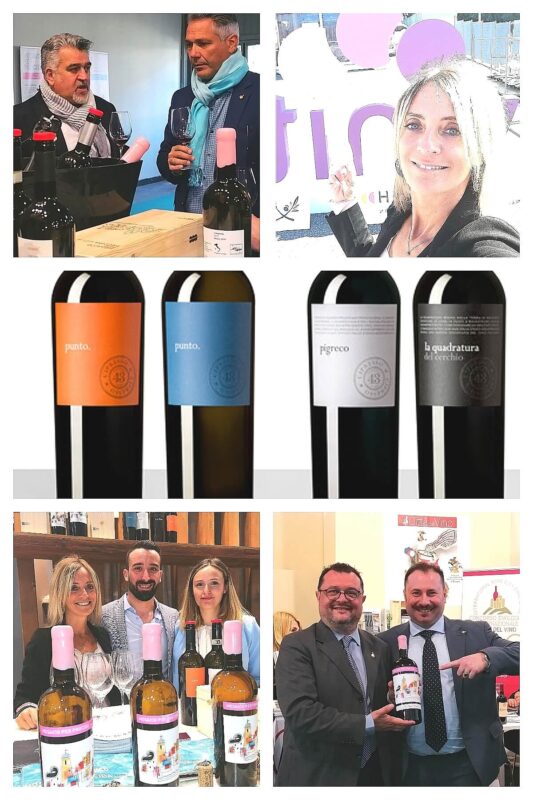
In February the first time I sipped the elegant wines of   ‘Podere Marcampo winery’   at ‘Terre di Toscana’. This was  a wine exhibition , which took place at the ‘Luna Hotel’ in Viarreggio. Claudia Del Duca, the owner of ‘Podere Marcampo winery’, invited me to visit her estate in Volterra.

Claudia was very friendly and  professional . What impressed me the most about her was her dedication to her work , and her love for wine,  which she  shared with her parents Genuino and Ivana del Duca.

A wonderful experience at ‘Podere Marcampo winery’

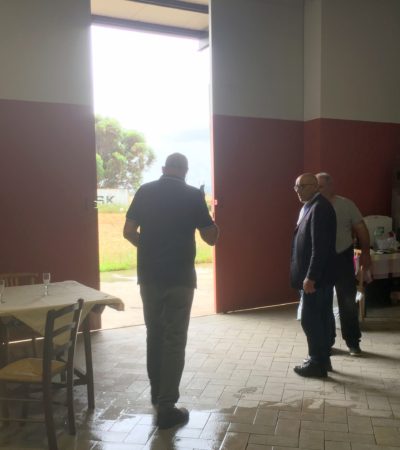
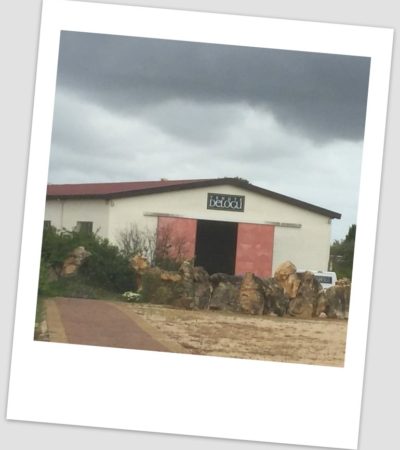
So, I arrived at ‘Podere Marcampo winery’ on a rainy day in late November in  ‘Podere Marcampo winery’  . It’ s a family farm business, which is surrounded by lush and verdant countryside. It produces both excellent and also rare red and white wines, extra virgin olive oil and grappa.

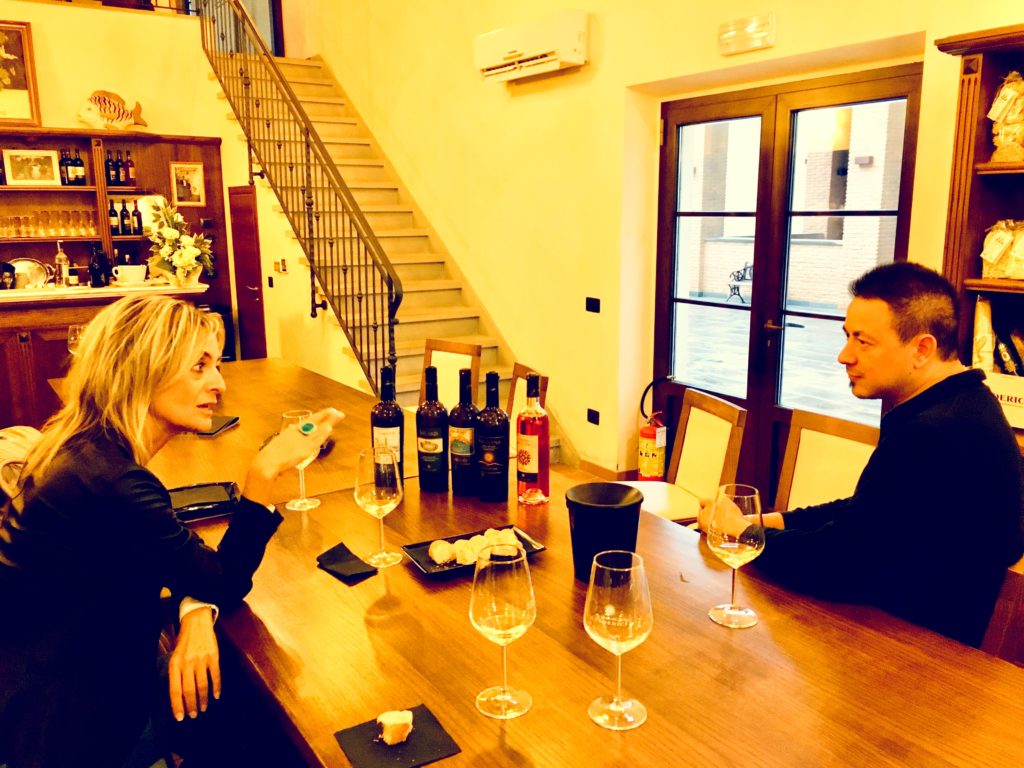
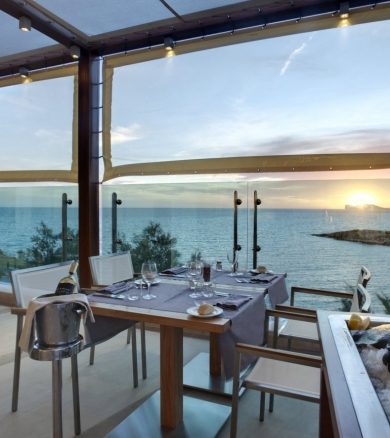
Claudia welcomed me with a big smile. Looking at this scene where sky and sea converge at the Tuscan horizon in an endless embrace, I felt overcome with emotion. We sat down in a small patio near the front of a  private residence, where we talked about the history of the whole family .
podere-marcampo-winery-travel-wine-blog-weloveitalyeu

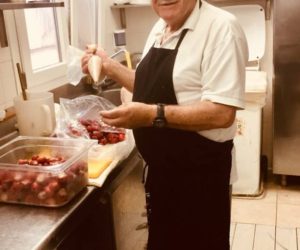
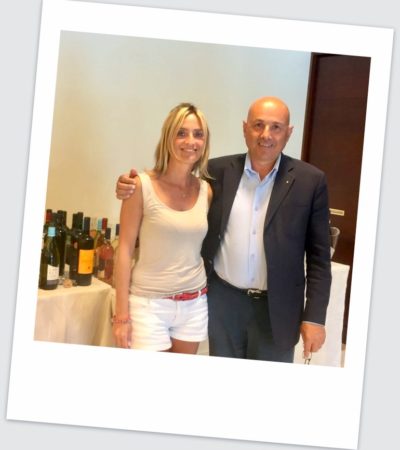
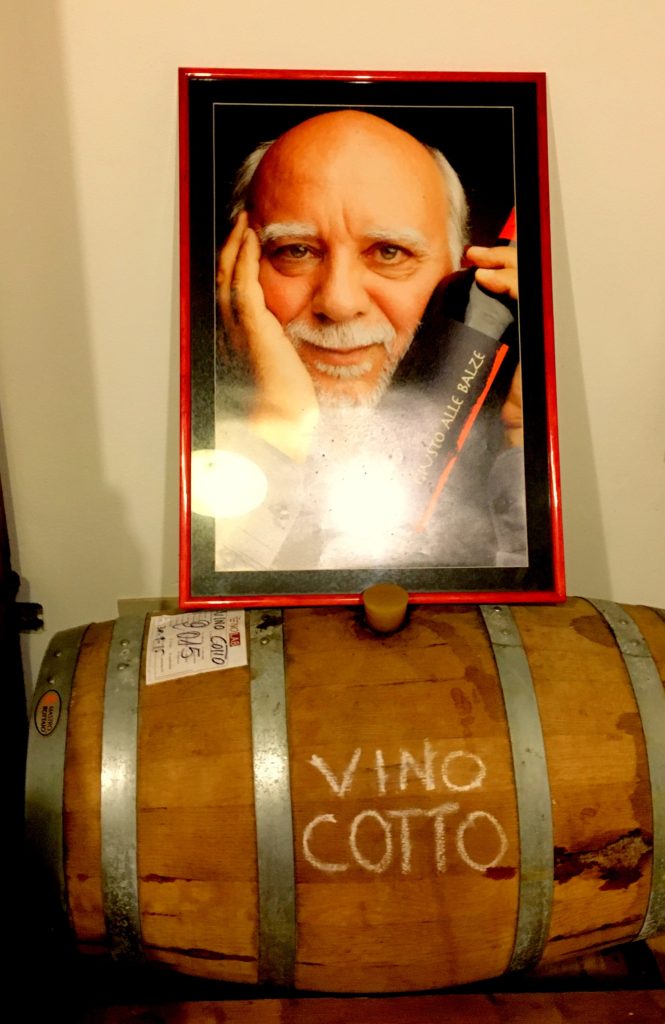
Genuino del Duca, the man of the wine at ‘Podere Marcampo Winery

Claudia explained that ‘Podere Marcampo winery’  was born in 1971 , when her father Genuino del Duca , having been promoted at work as a policeman, had moved from Abruzzo to Volterra . Then he  came up with the idea of transforming his passion for food and wine into a full time job.

Actually, Genuino del Duca wanted to create a new career in food and wine, so that he could resign from his day to day work as a policeman, and worked hard to make this dream come true! In the beginning it was not easy.  Though having climbed through the ranks at work , in 2001 he was able to open a small inn in Saline, a small town near Volterra.

The history of ‘Podere Marcampo winery’

By 2003 Genuino del Duca had earned enough money to open ‘Enoteca del Duca’, which is an exclusive restaurant in the center of Volterra. In 2005 he managed to buy ‘Marcampo’ a historic homestead, which had been abandoned though captured his heart as well as sparking his imagination.

Genuino del Duca restored ‘Marcampo’ shortly afterwards transforming it into what ‘Podere Marcampo winery’   is today! That is  an extraordinary holiday home , as well as a farm and winery, which is surrounded by 4 hectares of land.  Here he  takes care of his  best local grapes:

Genuino del Duca and his passion for wine 

Genuino  had to work hard to make his land suitable for wine growing because of the original salt and clay content of the soil. He had to plant the best rootstocks with roots to a maximum depth of 1 meter and did a lot for being successful.

Today, ‘Podere Marcampo winery’  is a real gem situated within a  national park known as ‘Le Balze’, which is a magical place where visitors can slow down and unwind. At ‘Podere Marcampo winery’ there are:

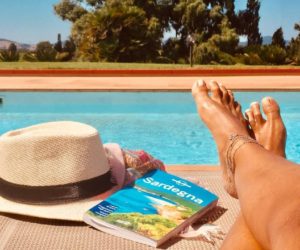
  • an outdoor swimming pool;
  • a sunlit terrace;
  • vineyards;
  • gardens;
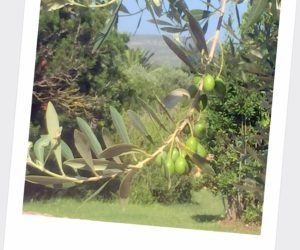
  • olives tree

A tour at ‘Podere Marcampo Winery’

After a short walk through the vineyards Claudia explained the winemaking process starting with the working of the land to the bottling in the wine cellar and this for me was the best part of the tour.

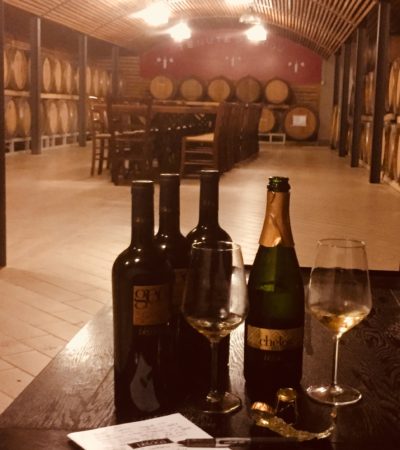
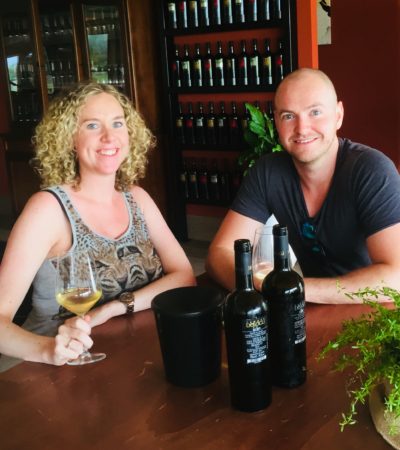
In the tasting room I sampled high quality wines paired with homemade cured meats and local cheeses. ‘Podere Marcampo winery’  is completely hand worked by Genuino and Claudia and is organic, completely free of any pesticides.

A couple of million years ago this area lay at the bottom of the sea . That’s why  the soil is rich in fossil shells , and is characterised by a particular geology of sand, silt, clay and limestone . They have been stable for centuries giving a complexity, structure and minerality to these well balanced wines.

The wines of  ‘Podere Marcampo winery’

These are the best award winning labels I tasted:

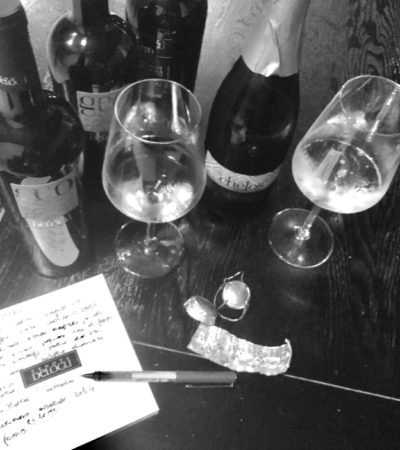
‘Terrablu’: It’s a white wine made from Vermentino and Malvasia . The grapes are first processed by the modern technique of maceration in order to preserve all the aromas of the variety . There are four months of fermentation in temperature controlled stainless steel tanks. On the palate there are notes of lime, almond, green apple and white florals , with a unique sense of refreshing acidity, its charm being in its delicate, briny nose and long, fresh palate;

‘Giusto alle Balze’: It’s a red wine made from 100% Merlot. It’s vinified in stainless steel vats, then aged in oak barrels for 12 months. It’s left to settle for another 6 months before bottling. It is my favourite wine , because of its soft and sensual texture and approachable style. This wine has won the silver medal at ‘Mondial du Merlot’ in Lugano and the ‘Concours Mondial Merlot’ in Brussels;

‘Severus’: It’s a red wine made from a selection of 100% Sangiovese. It’ s  vinified in stainless steel vats then aged in oak barrels for 12 months.  This wine is  left to settle for another 12 months before bottling. Tasting of clove spice and cherries ,  it’s also savoury,  providing a wide range of tastes from the very earthy and rustic to the rounded and red fruit;

‘Marcampo’: It’s a red wine made from 50% Sangiovese and 50% Merlot.  These two varieties are vinified separately in stainless steel vats and blended after 12 months in oak barrels. The wine is left to settle for another 6 months before being bottled. It is a powerful combination of the sweet, juicy, fruit flavours of Merlot, and the rustic, sour-cherry tang of Sangiovese;

‘Genuino’: It’s a red wine made from 80% Sangiovese and 20% Merlot.  These two varieties are vinified separately in stainless steel vats and then blended and bottled after 10 months. It’s a medium bodied moderately tannic wine , with a lovely cherry flavour, which impresses with its ruby red, vinous though also fruity and floral, dry and firm taste.

From the start Genuino and Claudia make wines just as they envisage them. Their winemaking takes its course, the grapes being gently guided through a gentle process until they arrive at carefully selected barrels for resting, maturing and evolving.
enoteca-del-duca-restaurant-travel-wine-blog-weloveitalyeu

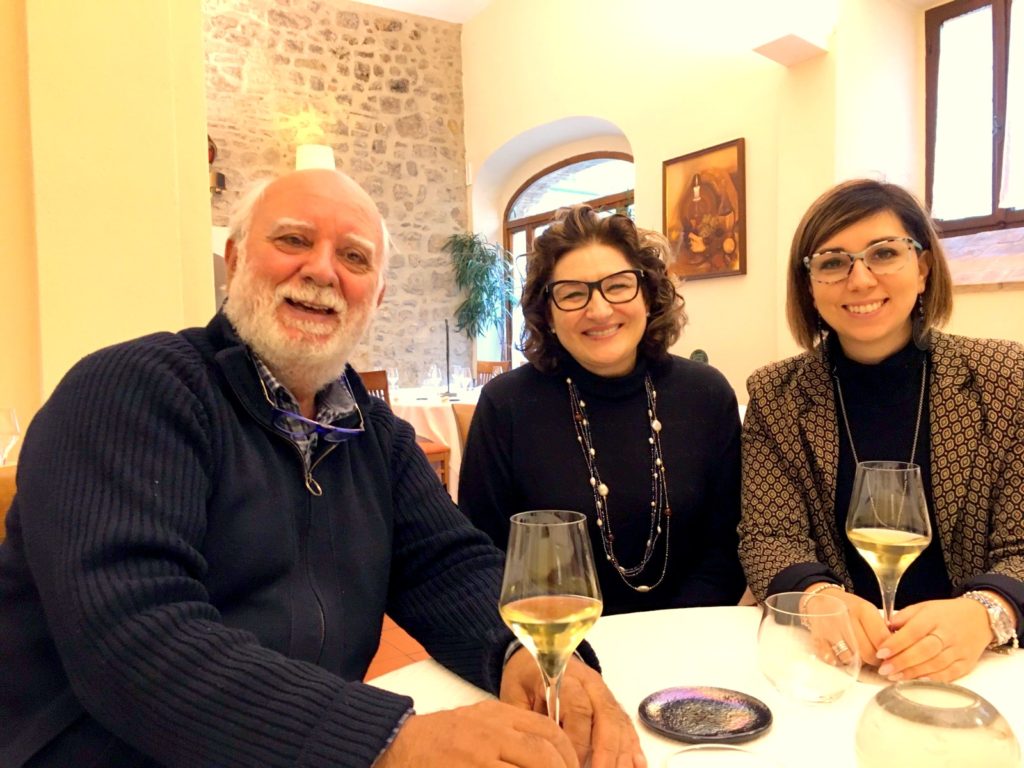
The restaurant ‘Enoteca del Duca’ in  Volterra

After our fantastic wine tasting, Genuino , Claudia and myself made our way down to the ‘Enoteca del Duca , whic is their restaurant in the centre of Volterra. Genuino’s wife, Ivana runs this fine and intimate restaurant , which is equipped with a terrific outdoor garden and excellent wine cellar housed in a historic building situated  in  ‘Priori Square’

‘Enoteca del Duca offers a special kind of  gourmet cuisine . Its  menu changes according to the season and the availability of ingredients. My lunch   was really wonderful and the service impeccable. I tried their best wines along with their home-made pasta in beef broth and their boar stew.

Wine and food of top quality!

The quality of wine and food was outstanding, the ambience wonderfully inviting . When you go, ask to see their beautiful wine cellar , which is packed with many unknown treasures! Genuino’s family form a perfect team when it comes to satisfying food and wine lovers.

Claudia also organizes cooking classes at their farm demonstrating how to make fresh pasta or ‘focaccia’ whilst also allowing you to discover the secrets of homemade cake making all under the guidance of a professional Italian chef.

Volterra, amazing city in Tuscany

I thanked Genuino and Claudia warmly for the wonderful memories they had provided me. They had made me feel at home . Before going back to Pisa, it was a good idea to explore Volterra,because there is lot of things to see and to do!

The history of Volterra

Volterra is a delightful  medieval town . I think it well deserves a place in this list of the best towns of Tuscany . Its narrow streets are full of  old churches, palaces, secret chapels, intimate restaurants and alabaster shops , where you can watch artisans at work.

Alabaster has long been a big industry in Volterra. Softer and easier to work than marble, this translucent material was traditionally thinly sliced to provide windows for Italy’s medieval churches.

What to see in Volterra

The best way to appreciate Volterra is to walk through its cobbled lanes, enjoying :

3 things to visit in Volterra 

Other things to visit in Volterra include:

  1. The Alabaster Museum’: This museum is housed in the 13th-century Minucci Towers’. It boasts the ancient alabaster tradition of  Volterra has an . Art fans can watch sculptors at work and can purchase locally made alabaster in the studio shop;
  2. The Guarnacci  Museum‘: It houses the world’s largest collection of Etruscan funerary urns,  used to collect the ashes of the dead;
  3. Roman Cistern’: It’s located at the top of the hill by the ‘Medicean Fortress’The cistern, made of opus caementicium, had to supply the whole area of the ‘acropolis’ with water. It’s formed by a large rectangular room divided into three naves covered with a barrel vault with six pillars in stone blocks. The entire building can be dated to the first century. d. C. and for its capacity, which is about 1000 cubic meters, must have been built with public money.

Famous films set in Volterra

In recent years Volterra  has attracted international recognition for its connection with the ‘Twilight’ series of books and movies, part of the second movie ‘New Moon’ being set in Volterra though most of the movie was actually filmed in another Tuscan town.

More than 2000 years ago Volterra was a key trading center and one of the most important Etruscan cities and was protected by a wall four miles long, twice the length of the wall that encircles Volterra today. You can still see the mighty Etruscan gate, built from volcanic stone.

Bye Bye Volterra! 

Tuscany is a pretty large region, and all of it is stunning. There is so much to see and do that I can’t suggest any particular good guide or website! But even in the short time I spent here, there’s so much to recommend to you I don’t even know where to start!

It would be a good idea to enjoy any good wines in Tuscany ,  not just to drink them, but to experience  people, places, and cultures . The  Tuscans consider themselves the inheritors and stewards of a centuries-long legacy of beauty.

Every tree that’s planted, every farmhouse that’s restored, every road that’s re-routed — it’s all carefully considered not only on practical or economic merits, but also on aesthetics. Get lost among  this huge amount of artistic wonders!

If you like my post, please subscribe to the socials of www.WeLoveitaly.eu :



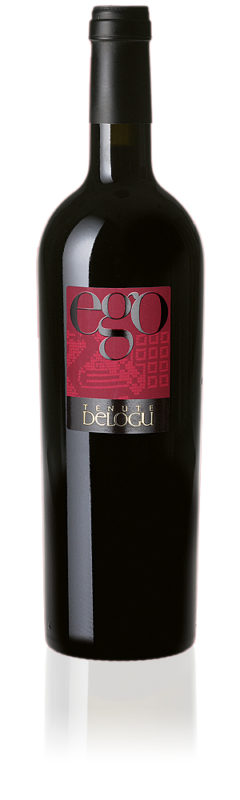
Tenute Delogu, Alghero. Sardegna

Tenute Delogu, Alghero. Sardegna

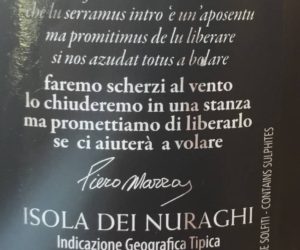
“Faremo scherzi al vento,  lo chiuderemo in una stanza,

ma promettiamo di liberarlo , se ci aiuterà a volare” 

P. Marras

‘Tenute Delogu’, Alghero in un bicchiere

Andare ad  Alghero è come essere in ‘compagnia di uno straniero’, parafrasando una famosa canzone di Juni Russo .Ti innamori e hai voglia di ritornarci! A Luglio, in  meno di un’ora di volo da Pisa e attero per la seconda volta ad Alghero   per dirigermi alle ‘Tenute Delogu .

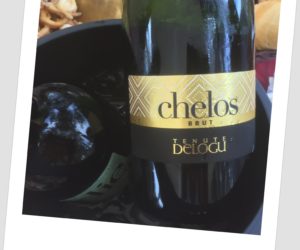
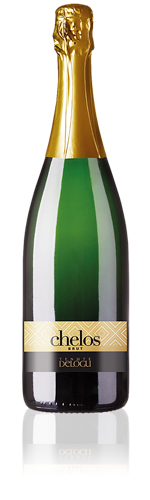
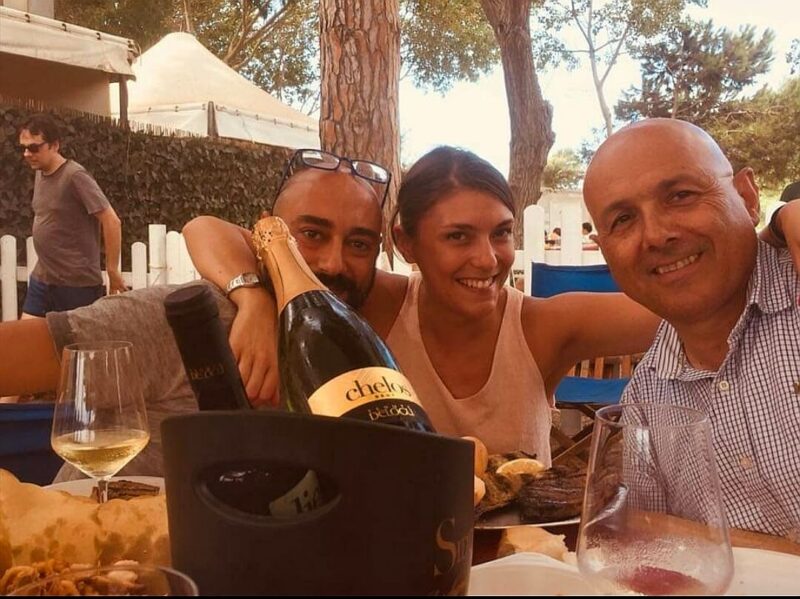
Per fare cosa ? Per riprendermi il cuore lasciato in questo gioiello incastonato nella ‘Riviera del Corallo’  a  Nord Ovest della Sardegna . Ancora ebbra dei paesaggi, della gente, dei colori, degli odori, e del vino,  sorseggiando un calice di bollicine  Chelos’  delle ‘Tenute Delogu  , vi racconto la mia storia!

 ‘Tenute  Delogu’, Alghero

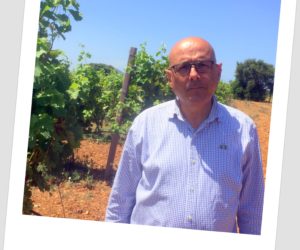
Piero Delogu  , proprietario del wine resort le  ‘Tenute Deloguviene a prendermi all’aeroporto di ‘Fertilia Alghero’ . Ci eravamo già conosciuti all’ hotel ‘Carlos V di Alghero’, in occasione di una degustazione dei vini d’eccellenza, grazie a Valeria Crabuzza, manager di ‘Alghero Conciergie’.  Dopo pochi minuti  di tragitto raggiungiamo la nostra destinazione , cioè le  ‘Tenute Delogu, dove ci aspetta il figlio Lorenzo.

Piero , classe 1962, nasce a Ittiri , Sassari.  Praticamente Piero  inizia la sua carriera lavorativa alla fine degli anni Ottanta.  Partendo da zero  si dedica alla produzione di  impianti all’avanguardia di mungitura degli ovini.

Nel giro di pochi anni raggiunge un grande successo e reinveste quanto guadagnato nella realizzazione dell’azienda ‘Carpenterie Metalliche’  (attività di progettazione sviluppo e realizzazione di strutture in profilati di acciaio), nell’acquisto di dieci ettari di zona industriale e nella costruzione di appartamenti da rivendere a Olmedo.

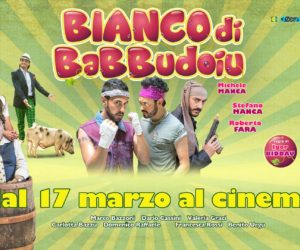
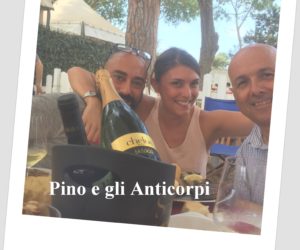
Il Film ‘Bianco di ‘Babbudoiuou’ girato a ‘Tenute Delogu’ con ‘Pino e gli anticorpi’

Questi sono alcuni dei  capitoli della vita di Piero, raccontanti  con un gran sorriso, che dura per il tutto il tempo che siamo in macchina verso la  sua elegante bottaia. Proprio in questi spazi dove ci troviamo con  Piero, è stato girato il film comico ‘Bianco di Babbudoiuou’ del 2016  diretto da Igor Biddau .

Con l’esordio cinematografico del trio comico ‘Pino & gli anticorpi’ e la partecipazione dell’ esotica Caterina Murino, la vicenda narra di tre fratelli sardi, Michele, Roberto e Giusy. Questi giovani mandano avanti  un vigneto, che produce l’ottimo ‘bianco di Babbudoiu’.  Volenterosamente loro desiderano esportare il vino anche in Cina, ma quando il fondo europeo necessario per il progetto viene a mancare, gli sfortunati devono restituire una somma considerevole alla banca. Tutto ‘made in Sassari’ !

‘Vini Delogu’, il meglio di Alghero 

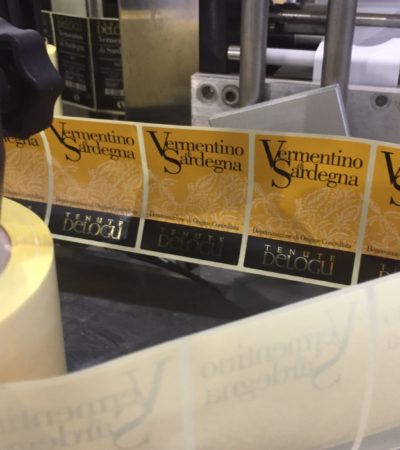
Nel 2004 nasce ‘Tenute Delogu‘,  da 5 ettari di superficie vitata sotto il  Nuraghe di Palmavera  tra le campagne dorate e pianeggianti  della Nurra e il mare cristallino di Alghero, la cui brezza soffia gentile in una zona dove la coltivazione della vite è una tradizione antica.

Si tratta di un terreno con caratteristiche uniche per la viticoltura, con i suoi inverni miti ed estati ventilate.  Ed è proprio in questo territorio, fatto di argille rosse, calcare e ricco in minerali, che si adagiano i filari (allevamento Guyot) di:

Vitigni autoctoni e internazionali di grande pregio,  che Piero cura personalmente insieme al giovane enologo Antonio Puddu e la consulenza esterna di Piero Cella ( della scuola di Tachis!) .

6 etichette di vino firmate Delogu

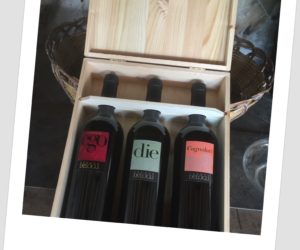
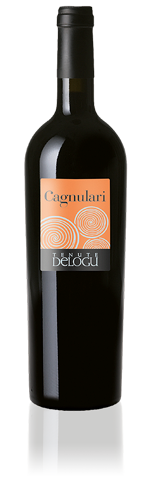
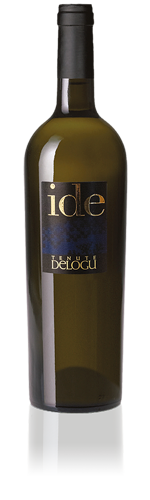
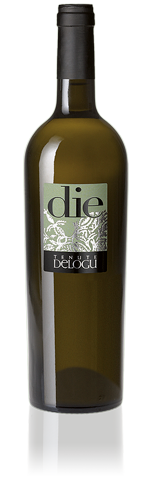
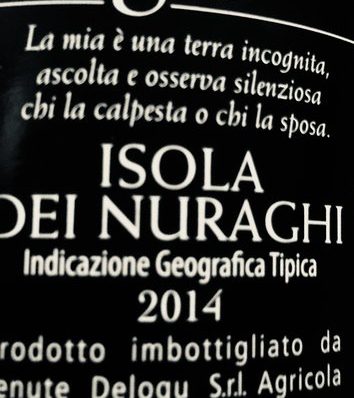
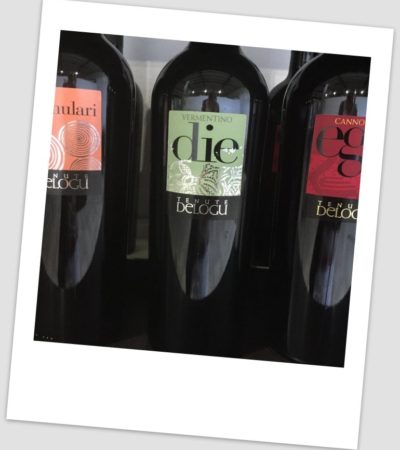
Un patrimonio vitivinicolo straordinario , di cui  Piero ne ha subito  capito il valore. Amore e attaccamento alla terra e ai suoi collaboratori è tutto racchiuso  nei  nomi delle sei  etichette dell’azienda vinicola (circa 100 mila bottiglie annue):

7 giorni in Paradiso, wine relais  ‘Tenute Delogu’

Piero e Lorenzo mi accolgono come se fossi di famiglia. La mia vacanza  inizia sotto un sole cocente di Luglio nell’orto delle ‘Tenute Delogu,  ettari di terra in cui sono coltivati e allevati  tutti i loro prodotti a km 0!

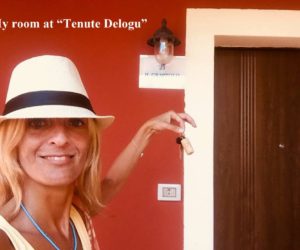
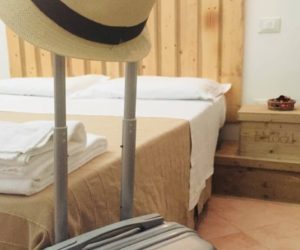
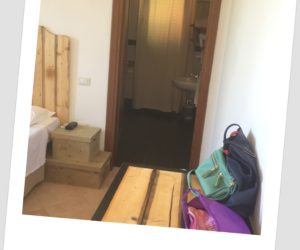
Allievo la calura estiva con  una doccia fredda nella mia camera ‘il Grappolo’, arredata con gusto e dotata di tutti i comfort, un tuffo nella magnifica  piscina tra palme e cicas ed è ora di cena. Mi incammino attraverso un percorso di fiori e statue in pietra.

Una luna gigante e il sottofondo delle cicale mi accompagnano fino al ristorante della ‘Tenute Delogu, composto da una sala interna ed una esterna su prato. Decisamente un’ incantevole  location immersa nel verde alle quali fanno da cornice delle scenografiche cascate.

Cucina sarda per il piacere dei palati più curiosi

Conosco Vincenzo il cuoco, un signore gentile, che mi anticipa il menù della cena, senza svelarmi però i segreti della sua cucina. La tradizione sarda in tavola, tra mirto, vini superbi e tavoli sapientemente imbanditi con antipasti di verdure e altro ancora:

Piero e Lorenzo mi guardano con aria soddisfatta, perché faccio fuori tutto compiaciuta! Si fa tardi e gli ospiti della sala tornano a casa loro con un’aria leggera di chi è stato bene. Piero e Lorenzo continuano il romanzo della loro vita.

Passione, costanza, perseveranza,  duro lavoro, attaccamento alla terra, rispetto delle tradizioni,  modernizzazione strutture aziendali, amore per la gente: gli ingredienti del loro successo. Incredula di quanta bellezza ci sia in ogni gesto loro, mi sento per un attimo come la protagonista di una favola.

L’attenzione ai dettagli fa la differenza e io l’ho provato sulla mia pelle! Ascolto con grande ammirazione un padre e un figlio che portano avanti il loro progetto di vita . E con molta naturalezza mi rendono partecipe di questa gioia tra una telefonata e l’altra, mille pensieri per iniziare la giornata a seguire, compreso il mio tour !

Non ho con me un orologio, e la sveglia per alzarmi  la mattina alle ‘Tenute Delogu,  non serve. Apro la finestra e davanti a me lo spettacolo in prima fila di una natura rigogliosa. Colazione, e giro per le tenute: parcheggio  molto ampio, spazi immensi costellati da due blocchi di appartamenti nuovi del residence,  cantina e  vigneti.

Cerco un po’  d’ombra e la trovo sotto una folta  bouganvillea , leggo la mia guida sulla Sardegna e sogno di percorrere  tutta la costa Nord Occidentale , perché la posizione della tenuta a tal proposito è strategica. Seguitemi!

10 Posti Top da non perdere vicino Alghero

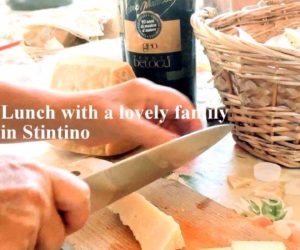
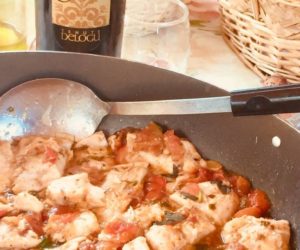
Essendo siciliana, non mi sono stupita del lauto pranzo in famiglia sarda in campagna da amici di Piero ! Divoro voracemente spaghetti al tonno con gamberi freschi, parago con patate, insalata di polpo, tre tipi di formaggio,  ‘casu marzu compreso, e vassoi di dolci infiniti!  Sicuramente avendomi visto un po’ troppo ‘secca’ , come si dice dalle mie parti, Piero ha ben pensato di farmi fare il pieno prima di portarmi ovunque!

‘La spiaggia delle Bombarde’

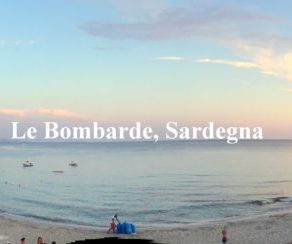
‘La spiaggia delle Bombarde’ si estende per un  chilometro di sabbia finissima affacciata su un mare azzurro, rallegrato  dalla dolcissima Anna Paola, che prepara le cozze cotte al carbone nel suo lido.  Una mezzaluna sabbiosa lunga quasi un chilometro che si inarca su un mare dai mille riflessi colorati e  incorniciata da rocce vulcaniche .

‘La Spiaggia della Pelosa’

La ‘Penisola di Stintino’ regala angoli di paradiso come la ‘Pelosa’, una spiaggia tropicale che si affaccia  sul  Golfo dell’ Asinara. Una delle caratteristiche più incredibili sono le sue acque calme e limpide. La spiaggia infatti  è al riparo dai venti ed protetta dal mare aperto dai faraglioni di Capo Falcone.

cala-mugoni-alghero-tenute-delogu

‘Cala Mugoni’ 

‘Cala Mugoni’ è posta a ridosso di una pineta, che richiama a se nelle ore più calde tanti bagnanti alla ricerca di ombra e refrigerio. Questa cala  di sabbia bianca calda e mare blu si trova nei pressi di Porto Conte.  Si presenta con un lunga distesa di sabbia bianca non troppo fine e calda, di circa due kilometri e mezzo.

Fertilia 

Fertilia  fu fondata nel 1933 con lo scopo di diventare il centro economico amministrativo di tutta la zona rurale della Nurra di Alghero, colpisce per la sua terrazza severa  prospiciente un porticciolo. Si tratta di un progetto del regime fascista , che voleva creare una ‘città ideale’, una sorta di alter ego della catalana Alghero. Oggi  Fertilia  è una borgata tra mare e laguna nel nord-ovest della Sardegna, che conserva memoria di vicende singolari

Sughera di Suni 

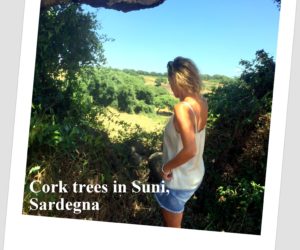
Forse abbiamo perso l’abitudine di apprezzare un buon tappo di sughero, di odorarlo, o di giocarci con le dita. Forse non ci siamo mai chiesti come e dove venga prodotto e in che stato di salute si trovi. Ma un viaggio in Sardegna ci può aiutare, specie a Suni. In questa zona nella  provincia di Oristano ci sono delle importanti sughere  come a  Suni  , comune  noto per la produzione di sughero e Malvasia.

Bosa

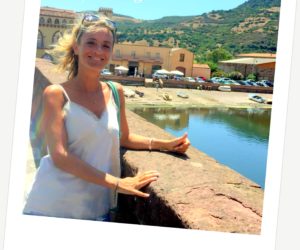
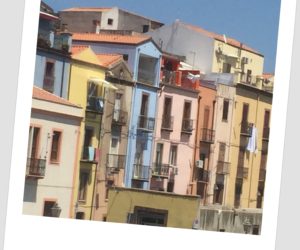
Bosa è un incantevole e affascinante borgo mediterraneo fatto di case colorate, dove tradizione e modernità si fondono. C’è  un centro storico ottimamente conservato e nei dintorni si possono ammirare colline e valli. Potrebbe essere un’idea per una fuga dalla frenesia della vita quotidiana!

Alghero

Alghero è un esclusivo luogo di villeggiatura a prova di tutte le stagioni. Posta a  Nord Ovest della Sardegna, Alghero incanta per l’atmosfera leggera ed elegante che si respira. E di sangue catalano, una cittadina superba e altezzosa, che ti abbraccia e non si fa scordare con i suoi paesaggi mozzafiato, le strette viuzze piene di storia, e un mare tra i più belli che abbia mai visto.

Ristorante ‘Sa Mesa’ ad Alghero

Per capire ed assaporare in fondo il meglio dell’ enogastronomia Sarda vi consiglio di fare un salto al ristorante ‘Sa Mesa’  ad d Alghero . Qui  si fa una  cucina tipica ,  rivisitata con  la ricerca dei migliori prodotti locali.

Piero Marras e i ‘Tazendas’ nelle magnum dei vini Delogu

L’unico rimpianto quello di non cogliere i segni del destino, del  mio volo di ritorno cancellato per i soliti disagi della Ryanair . Riparto per la Toscana. Qualcuno forse vuole che rimanga  più a lungo ad Alghero e alle ‘Tenute Delogu.

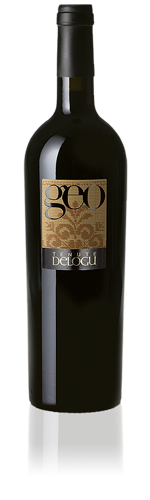
Quel fine settimana mi perdo il concerto dal vivo di Piero Marras , un famoso cantautore sardo,  in occasione dei suoi 40 anni di carriera, un grande artista a cui Piero, dedica una ‘Magnum di Geo’ , come fa  anche con il gruppo dei  Tazendas’. E insieme ai musicisti e i poeti,  Piero canta della sua Sardegna attraverso l’arte del  vino.

If you like my post, please subscribe to the socials of www.WeLoveitaly.eu :



Federici Winery, Ortonovo, Liguria

Federici Winery, Ortonovo, Liguria

“With Wine, Poetry, or Virtue, as you choose, but get Drunk!”

Charles Baudelaire

The ‘Federici Winery’, the Lunigiana in a glass! 

There is nothing like the regional products of a territory that can describe its history and culture. The fruits of the earth tell us how  people have shaped the landscape where they live. That is why visiting “Federici Winery is a special way to discover Lunigiana.

Lunigiana is a mysterious land sandwiched between the Ligurian coastal towns of “Cinque Terre” and the Tuscan cities of Lucca and Pisa. Follow me , read my post and explore a new part of Italy!

Federici Winery

A special visit at “Federici Winery”, Ortonovo, Liguria

On the 2nd November I visited the “Federici Winery in Ortonovo, near the ancient ruins of Luni, the famous Roman port, where Roman merchant ships  used to transport precious Carrara marble along the Tyrrhenian Sea.

Luca Federici welcomed me when I arrived at his wine cellar. He was ready to guide me through a tour of his  winery and dedicated his time to share with me the story of his family, his territory and his wines. Luca’s big smile warmed a rainy day, making me realise that if you do what you love, you never work a day in your life!

Federici Family, a Story of vineyards and men

The Federici family, originally from Ortonovo  boast a long tradition of winemaking that has been handed down from father to son.

It all started in 1985, when Giulio Federici and his wife Isa, the third generation of the family restored a country property in Lunigiana , devoting themselves to cultivating the local grapes and to making quality wines.

Luca, the oenoligist, and his brother Andrea, the sales and marketing manager, represent the fourth generation of the Federici family“. Today together they lead their business with passion, professionalism and with care for their territory.

Vermentino, the gold grape of Lunigiana land

The best result of the Federici family‘s love for what they do is  of course one of my favourite wines, the so called Vermentino: a dry white wine that is sleek, tangy and even a little bit sexy.

There are hundreds of white grape types planted throughout Italy,  though the Vermentino for me is really the best  .

This old variety grows well  here , because  the climate is mild , and because the vines are planted close to the sea.

I’m crazy  about the elegance of the Vermentino as well as the , minerality and  saltiness in its finish, and pairing it  with the local cuisine specialities , such as : seafood antipasti and pesto sauce, is something you have to experience once in your life!

“Federici Winery” is located near the ancient Roman port of Luni

“Federici Winery owes its name to the sun shining in the ancient Roman port of Luni. The archaeological site is still intact and just a couple of miles from the winery, and commemorates the thousand year old tradition of winemaking in this area.

“Federici Winery is located near La Spezia in far eastern Liguria nestling against the Apuan Alps (with peaks reaching almost 7,000ft  only 5 km from the sea) and the river plain of the River Magra.

The terroir of “Federici Winery”

This privileged position  provides an incredible microclimate, where the action of sea and mountain breeze, alternating between day and night, creates optimal  conditions for growing vines and producing wines of excellence.

Here the soil in the valley is of an alluvial and sandy  nature with leaner clay on the hills. That is how the Federicis can experiment  different varieties of the Vermentino producing completely different taste profiles in the vineyard, along with other grapes:

Harvest usually starts  towards the end of  August and the beginning of September . Grape picking is one of the most important phases of work for the Federicis and is entirely done by hand just like it used to be when the winery was first set up.

The estate of “Federici Winery” and its cellar

The “Federici Winery is a key player in the local economy and has the objective to constantly work to enhance the quality of its wines. The winery extends over  around 25 hectares with vineyards in prized locations both on the hillside and on the plain.

The winery buys hand-harvested grapes from other small growers in the surrounding countryside paying for quality, and  keeping alive both tradition and wine culture. The winery produces 200.000 bottles a year, including  whites, reds, rosé, sparkling wines, sweet wines and grappa.

Art and thecnology at “Federici Winery”

The Federicis invested a lot of money in the new winery in 2015, which now covers 1600 square metres and it is equipped with  state of the art technology, such as a special isobaric bottling system, which ensures  optimal care in the packaging of the wine .

Moreover, the winery follows  bio-architectural principles in order to  reduce  the impact on the environment as well as maximise energy savings. The beautiful underground cellar, where the wines rest for their final refinement, is a perfect example of the  harmony that exists between the buildings and nature.

The cellar of “Federici Winery”

The cellar is situated around a hundred metres below sea level, which helps harness the natural stability of temperature and humidity provided by the  presence of an underground aquifer.

All this is further supported by constant control of every stage of the production process thanks to ecological  solutions in the wine cellar such as solar panels, natural ventilation and the use of wood, stone and brick.

The Federicis are very proud of their magical reign and passion and patience and experience are key words of their philosophy.  For them viticulture is a family tradition, and their care for the environment, the climate, the vineyards and  their employees produces matchless wines, whose  flavour reflect the beauty of their terroir

federici-winery-lunigiana-liguria-toscana-travel-wine-blog-weloveitalyeu

Tasting of the wines of Federici  Winery” 

Wine tasting in “Federici Winery is an intimate and personal experience. The tasting room  is very  large, decorated with frescos and has two magnificent handmade chandeliers the design of which has been inspired by nature.

Luca took me through his line of biological  wines and demonstrated the quality of his best bottles of wine by pouring me a glass of their Vermentino. He  is proud of his wines with good reason and I sipped through his wines with pleasure.

All showed great character and depth as well as a softness you rarely see with natural wines. They seemed stable, substantial and yet so expressively honest.

The “Colli di Luni DOC Area”

Luca explained how the ideal climate for their white wines exists in the “Colli di Luni DOC Area”:

“ During the day there is superb ventilation and optimal  exposure to the sun whilst the evenings are fresh and humid, always with moderate temperatures whether it be winter or summer.

The best white wines  of the “Federici Winery”

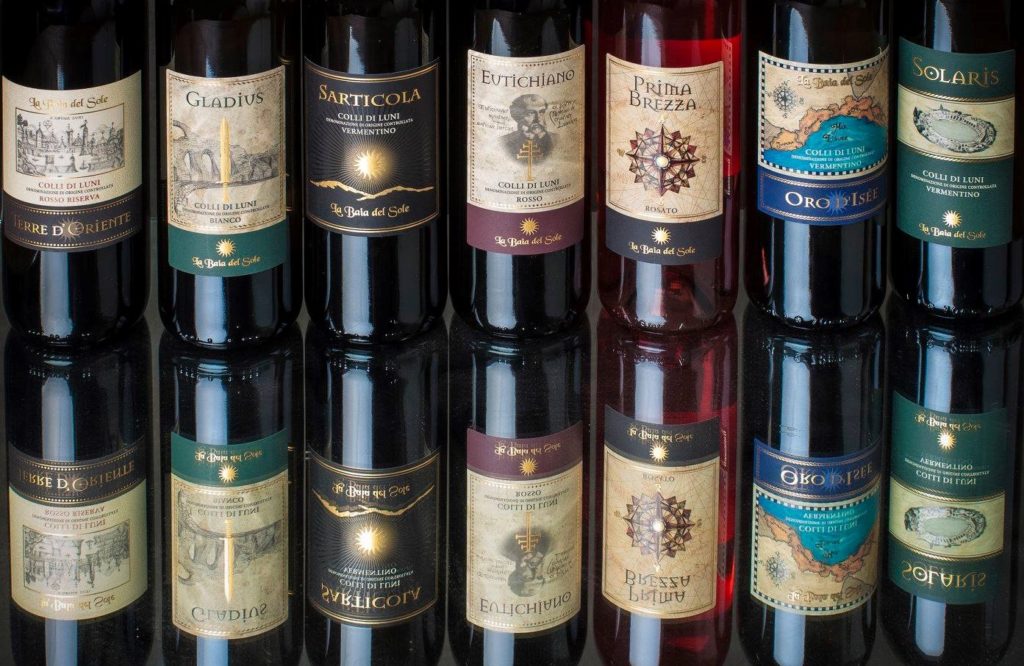
Federici‘s  vineyards are situated within two to three miles of the sea, and here are the three versions of  the their  best wines made from 100 % Vermentino:

What you don’t know about the Vermentino!

I learned a lot about Vermentino thanks to Luca. The best Vermentino is medium-bodied, fresh and quite round, with a floral aftertaste, and its freshness is the result of the natural, lively acidity of the grape itself which provides balance as well as a marvellous affinity for pairing with a variety of foods.

Vermentino grows not only in Liguria, but also in Sardinia and Tuscany, and in each of these three territories, the vineyards are very close to the sea,  giving the wines a special character that you don’t find in wines from vineyards in a warmer, inland area.

Vermentino from a maritime climate tends to display a great minerality or saltiness in the finish. Vermentino is one of the most important varieties in Liguria, along with another white known as Pigato.

The best red wines of “Federici Winery”

Lunigiana is one of the smallest region in Italy, but its white wines are among the most distinctive, like the other three wines I sipped at the “Federici Winery :

Lunigiana, a magic land between Tuscany and Liguria

If you are a wine lover or a wine expert, Lunigiana could be your perfect upcoming destination. Lunigiana, in north west Tuscany, has a lot to offer. It is a location to be enjoyed all year round, and above all it is easy to get to via flights to either Pisa or Genoa.

The wine region of Lunigiana is very beautiful, with vineyards on rocky  hillsides that  overlook the sea as well as vineyards higher up in the valleys  and small narrow roads that meander up amongst the vineyards.   With such a large number of grape varieties unique to Lunigiana, this can lead to some confusion though doing research before visiting and wine tasting in such a picturesque region is worthwhile.

What to see in Lunigiana

Lunigiana is also dotted with numerous stunning medieval villages and  is a pearl amongst the other international  and aristocratic hamlets  along the zone of the  “Riviera Ligure di Levante”, such as:

Lunigiana lies between the northern Appenines, the “Versilian Plan”, and the “Gulf of la Spezia” and has real rural character as well as castles, Romanesque churches, and  old towns full scenes of rare beauty starting with Luni and Sarzana.

The ancient Roman port of Luni

Luni  the ancient Roman port which gives the name to LunigianaLuni is surrounded by a valley called “Val di Magra” in the “Montemarcello Magra Park”, which extends from inland Liguria up to the Gulf of Poets”. Points of interest include the remains of an Roman Amphitheatre (1st century AD) and the Archaeological Museum.

Sarzana, a beautiful town in Liguria

Some are born in Sarzana and love it for life, others choose Sarzana as their place. The latter seems to be the case with the family Bonaparte, who were welcomed there in exile and from  where they left to conquer the world.

The Bonaparte family left an important witness to their presence in the form of the “Bonaparte Tower House”, which is located in the first section of the “Via Mazzini”, a few steps away from the ancient church of “Sant’Andrea”.

Sarzana is a quiet city, tourists don’t go there much. You might peek into some of the antique shops in the historic centre, or into the terrific  main square “Piazza Matteotti” .

There are many restaurants in Sarzana, and all of them are good. It’s like the town is waiting for tourists who seldom come.

What to visit in Sarzana 

Sarzana has two nice castles:

Federici Wines are perfect for each moment of your Life

Italy, 100 % of Beauty!

Save your appetite my friends . Stay thirsty. Passion and humility create balance in the heart and balance in the glass. Luca knows this and you can see it in his eyes and taste it in his wines.

It was an incredible experience. I learned a lot about wines and the culture of this land. Without any doubt, I can help you with finding a new place to go for your upcoming holidays in Italy!

If you like my post, please subscribe to the socials of www.WeLoveitaly.eu :



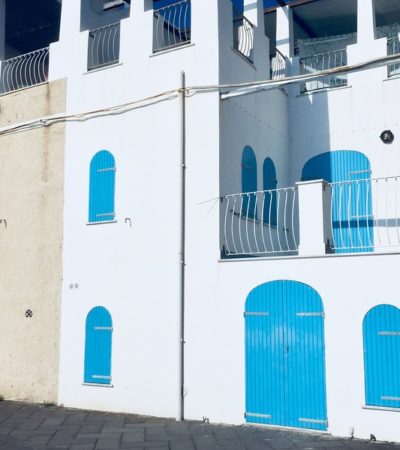
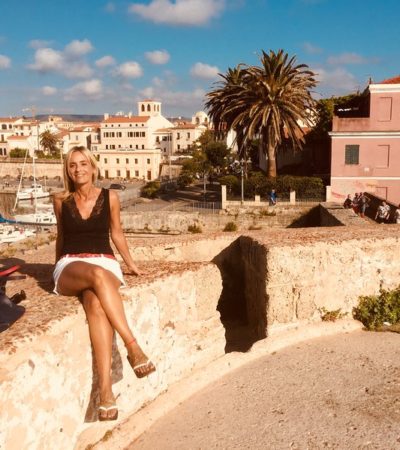
Alghero

Alghero

“…L’ Alguer de sempre se vanta
de ésser país català,
la ginqueta me vol recordar,
a mi ella me canta…”
“La Ginqueta”, song of Pino Piras , voice of Claudia Crabuzza

Alghero 

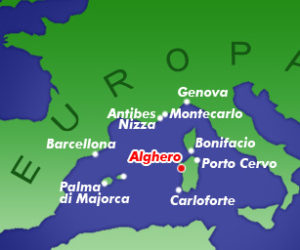
There are places where I want to go without knowing why. Alghero, in Northen Sardinia, is one of these.  It all starts out with an urge to be somewhere that I’m  not. I travel for several reasons, but even just a short vacation to the beach or an unfamiliar city can serve as a  kind of escape.  I often loosen up, allowing for  learning.

I push myself forward in new cultures, try new things, get myself into uncomfortable situations, and find out the best part of me. It is easy to get high off the sense of anonymity that can be experienced while travelling. It doesn’t matter if it’s for a weekend  or a year long trip, if nobody knows me. I  often feel free to break out of my  shell.

I remember when I started planning my first trip to Alghero, which is only 40-minutes flight from Pisa on  Ryanair , I had no idea what I was doing! I wanted to get lost in Alghero, but at the same time, I didn’t want to miss the most beautiful things of this unique pearl of the ‘Coral Riviera’. I thought it might be impossible for me to arrange everything  by simply  following  my guidebook for two days!

Valeria Crabuzza and the ‘Alghero Concierge’

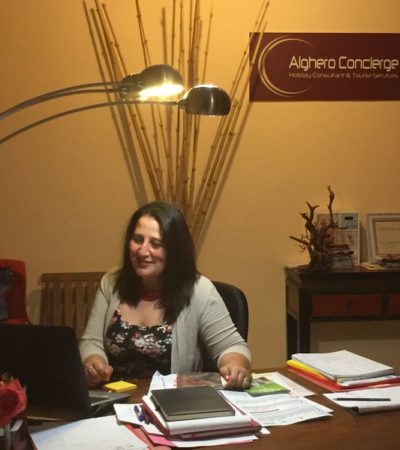
I had to try something different. I searched the web for information about Alghero. I just needed someone special to hold my hand and show me the way.  That’s why my first choice was Valeria Crabuzza, managing director & founder of  Alghero Concierge’.

Valeria was the first person I turned to for tips and information about Alghero.  She was always prepared to offer help and understanding. Before my departure for Alghero, I contacted Valeria by mail and then by a phone call.

Valeria provided me with outstanding concierge services creating my tailor-made holiday in Alghero. She provided me  with  free advice on accommodations, holiday activities, cultural events, archaeology sites and  other services.  Thanks to Valeria, I saved a great deal of time and effort researching and comparing on the net.

I simply told Valeria my  preferences and I packed my bags!  Valeria was my good angel in Alghero , a paradise just a few steps from home! Valeria made me fall in love with Alghero . Now I long to return to this enchanting place!

1st Day, Tuesday , 12th June 2018. ‘Benebenniu b&bthe best accommodation in Alghero

I landed in Alghero’sFertilia Airport’ on the 12th June 2018.  There were only 6 kilometres from ‘Fertilia Airport’ to the city centre, a short trip of less than 15 minutes drive. The airport is  well connected with the major Italian and European airports with low cost flights the whole year round. If you don’t want to drive or if you don’t want to rent a car, the city has an excellent transport service to and from the airport.

It was lunchtime and I reached Alghero’s old town  , where I met Valeria at Alghero Concierge’, her  holiday counsultancy and tourist services office in the heart of the city. Valeria was my ‘Welcome to Alghero , the best a traveller can wish.

Valeria was charming-a true Mediterranean beauty. The gentle nature of her soul, was reflected in her love for life and for the history and tradition of her beautiful island.  After my arrival in Alghero at midday and my interview with Valeria, I was excited to  uncover and bring to light  what she reserved . It was incredible, and  Valeria did an incredible job to ensure a perfect vacation in Alghero which covered all my requests.

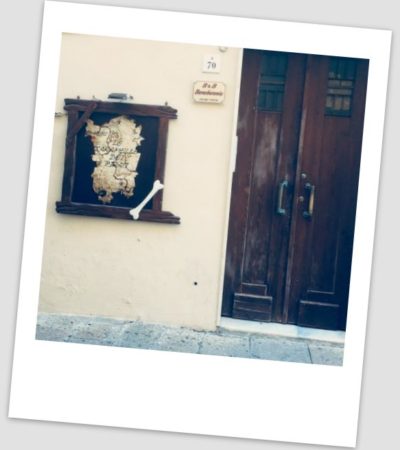
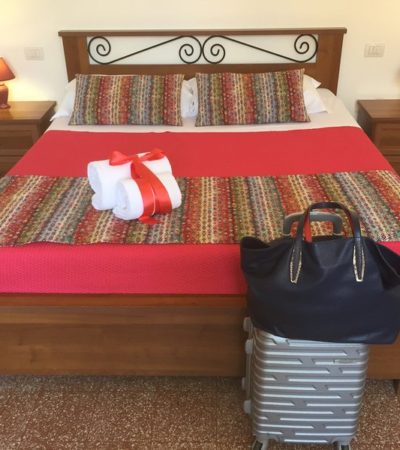
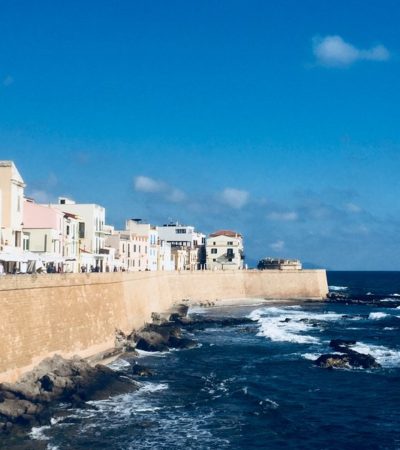
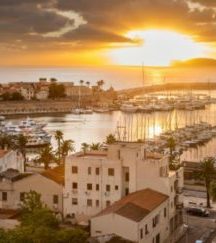
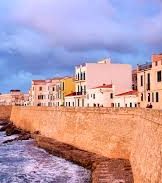
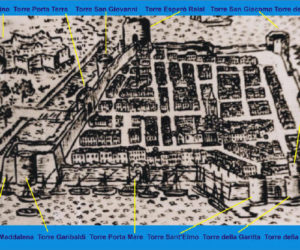
First of all it was very easy for me to visit all the best parts of Alghero , because Valeria booked a nice room  for me in her  ‘Benebenniu b&b  in Via Carlo Alberto,70,  the main street of the medieval town.  It was in a very  central location  in Alghero among its cobblestoned streets (no heels, but comfortable shoes!), few steps away from the picturesque sea-front promenade, the ‘Bastioni and the Towers’.

Bus station, harbour, city beach, all the best bars and restaurants were all in the immediate proximity.  After having unpacked my bags, I walked around Alghero’s main streets, having all its beauty around me , just in the area where I stayed.

A trip near Alghero

I took terrific photos of all that drew my attention and sensitivity . I explored each corner  of Alghero , in any direction from the bottom towards the top and the from left to right! I went on strolling till the afternoon, when Valeria picked me up by car , leading me out of Alghero toward a breathless itinerary :
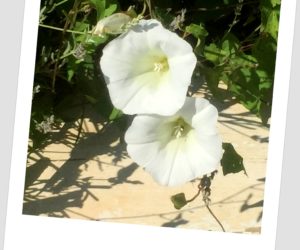
I enjoyed the awesome scenery and admired the spectacular landscapes of the -North-Western tip of Sardinia. I was enough lucky  to watch the sun dipping down in the blu sea among its impressive cliffs and to hear the seagulls crying out . As soon as I discovered nature again in all its glory,  Valeria remembered it  was time to go away! On the road back to Alghero, while I was thinking about that dreamy holiday,  Valeria explained the value and the importance of those places and the story of her life!

Valeria and his sister Claudia Crabuzza. A reason to come to Alghero

Valeria was born her in Alghero  where she spent the first nineteen years of her life before travelling abroad to work in hospitality. Initial economic hardships during her childhood didn’t stop Valeria cheerful and strong  temperament, but strengthened her character and  her spirit of adaptability.  Valeria reflected on  those hard days with a smile, because they made her grow. Valeria has got a brother, Francesco, and a sister Claudia , who eventually became a very well-known Italia songwriter.

Claudia Crabuzza won the prestigious music award  ‘Targa Luigi Tenco 2016’ (Minority Languages Category) for best album in ‘Algherese” Dialect’. She  worked  as author and interpreter with many famous national artists such as the most popular Sardinian ethno-rock band Tazenda’, Pippo Pollina, Mirco Menna, ‘Il Parto delle Nuvole Pesanti’, and others .

Valeria graduated from the professional hotel school of Alghero and started working in the field of tourism in Italy, Switzerland, Egypt and on  Canouan Island (Eastern Caribbean). She was inevitably drawn back to her native land .

Valeria  wished to combine her experience, her local knowledge and love of Sardinia, her passion and her positive attitude to best welcome and assist anyone coming to visit Alghero and the north-west coast of Sardinia.

On her personal note!  Valeria  is married and had two wonderful children. The love story with her Egyptian husband  Ehab Rashwan  is another incredible and long chapter of her life ! He is  a pro-active hospitality professional with over 25 years in the hospitality industry .

Dinner with Sardinian delicatessen at ‘La Botteghina’ restaurant in Alghero

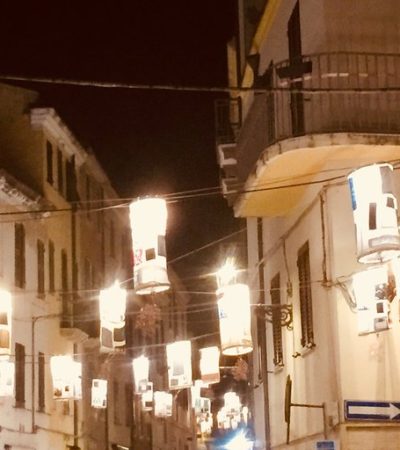
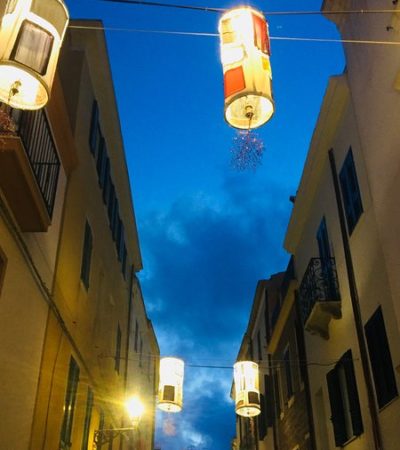
That one hour drove to Alghero with listening to all  Valeria‘ s tales  astounded me, because it seemed so familiar.  The  sunset was unforgettable . The artificial lights of the lamps adorning Alghero transformed this noble city in an elegant living room. The closed shops were making the way for the night-loving people.

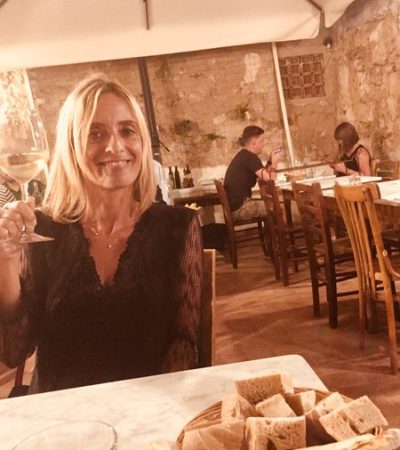
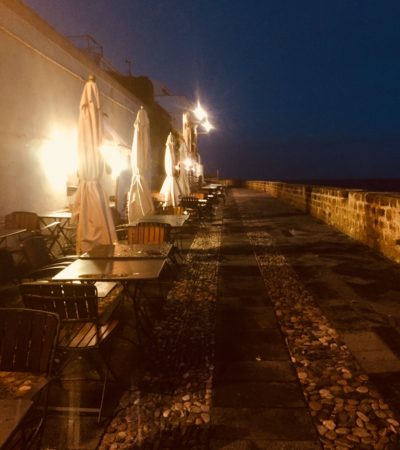
I felt the infinity poetry which emanated from this peaceful and ordered city, but at a certain moment all that enchantment was suspended by my rumbling tummy that looked forward to the dinner time. Soon after  Valeria and me seated  comfortably on a terrace of   the casual ‘La Botteghina’ restaurant . She said it was the right place for tasting local fresh food & wine, and it was true!

 A friend of Valeria, Carlo Deffenu, a very polite person did the honours. He was a lovely worker there and an Italian writer as well, who proposed a vast range of pleasures! I had typical Sardinian food & wine:
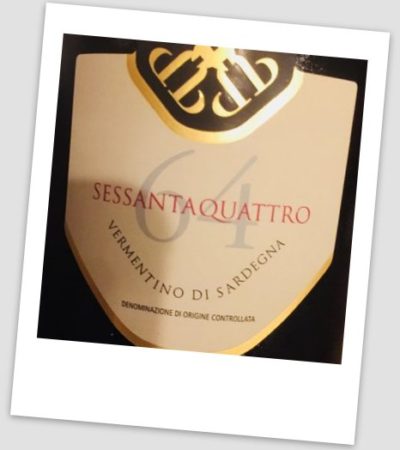
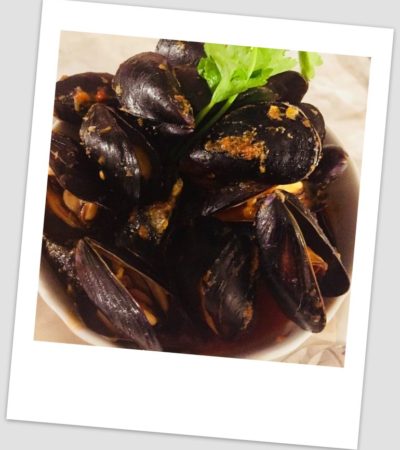
  • a sparkling  Vermentino called ‘Sessantaquattro’ paired with a mussels soutè;
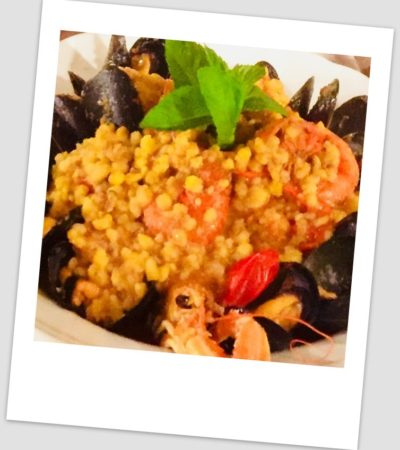
  •  ‘fregola’ , that is a type of semolina-based pasta with seafood;
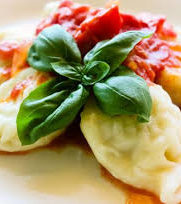
  • ‘culurgiones’ , that is a kind of pasta filled with boiled potatoes, extra olive oil, pecorino cheese, garlic and  mint , seasoned  with tomatoes sauce and parmesan. Best new dish I ever had in the last period!

The night was flowing slowly while Valeria was entertaining me with all her knowledge  about Alghero . I was totally immersed in all those stories.  A journey in the past of  Alghero, and an understanding of its present. A multifaceted world of an island within  the island , that is trying to grow and to improve despite the cumbersome Italian Political system, and the closed-shop mentality of the major part of its  inhabitants.

By the way, I realized  that Alghero  is considered one of the most charming towns of Sardinia. Ryainair flies  at least here twice a day. Take this as an opportunity to explore some of the amazing art the city has to offer.

Alghero is the perfect blend of history, gorgeous beaches, lovely food & wine, traditions and so much more. The town provides excellent hospitality for a constant flow of tourists, with a range of entertainments, facilities and nightlife that is ideal for young and old alike.

History of Alghero

Alghero was inhabited since prehistoric times, and  was founded by the Genoese in the 11th century. For many years, it was controlled by the dynasty of the Doria family’, despite a brief period of Pisan domination in 1283 and 1284.

Many different conquerors launched assaults on Alghero  until the Catalans expelled everyone in 1372 and created a home away from home. From then on, the town came to be known as “Barceloneta”, or ‘Little Barcelona’, and maintains its Catalan identity to this day.

Control of Alghero passed to the House of Savoy’ in 1720 and this marked the start of a long period of steady decline. This continued right up until the ‘Fascist Era’ which resulted in heavy damage to the town during Italy’s participation in WWII.

The removal, from the surrounding countryside, of malaria in the 1950s and the growth in package holidays during the 1960s saw the start of a transformation in the fortunes of Alghero. A large number of hotels and restaurants have been built on the investment in the town and development has spread northwards alongside the city’s sandy beach.

Today, tourism has not completely overtaken Alghero and the town still retains its distinctive Catalan identity with the local fishing industry an important contributor to the local economy.

2nd Day. Valeria & Katia after their professional experience at Canouan Island , Eastern Caribbean

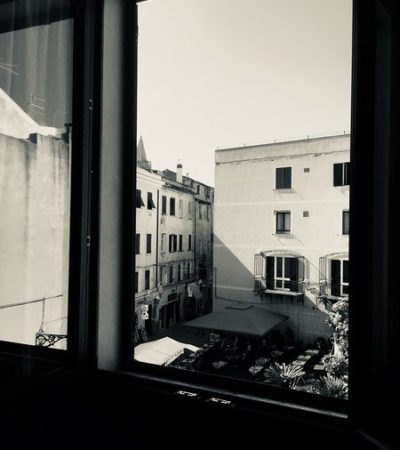
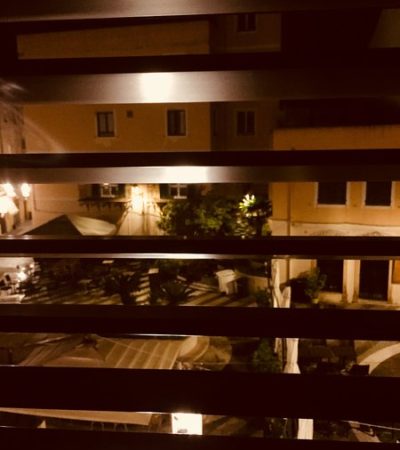
It was late in the night. I opened the window of my room that overlooked one of the main square of Alghero . There was nobody outside, but few tables scattered among cafes and restaurants and a  silhouette of a  bell tower that raised above the rooftops of houses and churches.

My thoughts wandered and I couldn’t sleep for the excitement of what it happened, but I was tired and I fall asleep. The following day I woke up late in the morning, and the weather was awful.  I thought it was  perfect to visit wineries in Alghero.

Katya-alghero-valeria-crabuzza

I sat down at my table for eating something.  I took a look  in blogs and travel forums about  all the top wines. In the meanwhile ,  Valeria and her friend Katya attended my breakfast with  a  homemade lemon cake, hot coffee and orange juice.

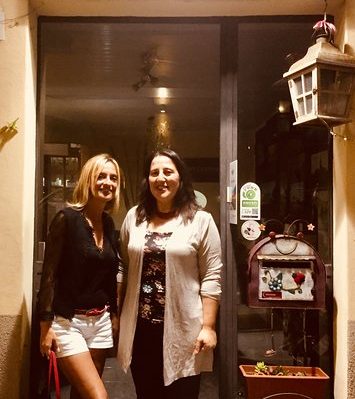
Katya is another fabulous character of this Sardinian novel. At first sight Katya, so pretty with big green eyes, seemed to be an easy going person. Actually, Katya is a  romantic bohemian, a very deep fellow, a strong worker with the soul of an artist  in sewing technique.

She said she was from Pesaro, Marche. She met Valeria on the Caribbean resort 20 years ago. Since that time they were not only colleagues , but above all close friends. After having travelled a lot,  with a long stay in Peru, that changed her mind placing greater emphasis on the ‘being‘ and not on  ‘having’ in this life, Katya wanted to help Valeria . Her aim was to create something unforgettable in Alghero, with the intent of promoting this area in Italy and abroad.

What a marvellous and spiritual conversation! Katya withdrew, bidding me farewell, and saying I was in  a good service with Valeria about my trip in Alghero. Of course she was right! I glanced at the clock on my phone and a last great moment awaited me to complete my journey: visit the best Wineries in Alghero.

The weather promised to get worse, far more than I could expect! Never before had I seen so much rain in summer . Before my  appointment with Valeria and with the divine nectar of Sardinia in the early afternoon , I had little time to visit the old churches of the historic core in Alghero,:

The churches were unadorned, the simple churches of a simple  fishing village. I liked these types of churches- built solely as a religious sanctuary for the towns people with no more boisterous intent. Alghero’s Old Town was large enough to be interesting and small enough to tackle in a day of exploring.

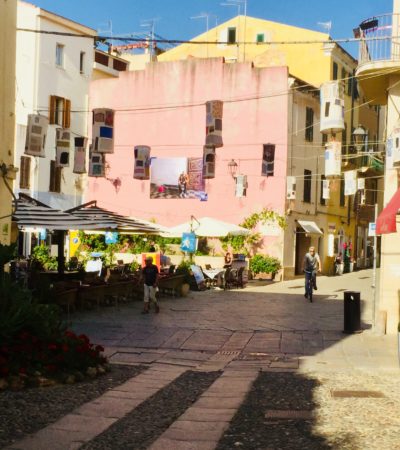
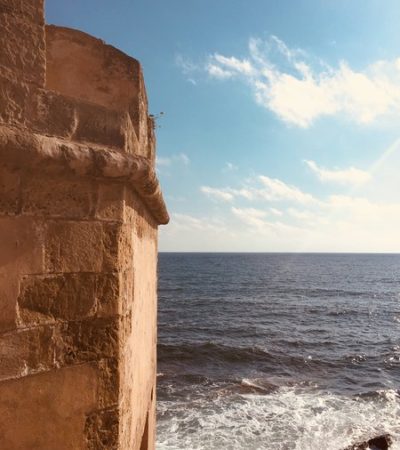
Walking around Alghero, I didn’t feel like I was in Italy, but in a foreign land with such an atmosphere you had to live. Colorful facades, an almost derelict elegance , all complete with beautiful sea views from any given angle.

Vini Delogu, Alghero

It was lunchtime and to my surprise,  Valeria came to take me to a luxury hotel called ‘Carlos V’ in Alghero to attend a wine tasting organized by Tenute Delogu.

The  terrace of  the 5 stars  hotel  ‘Carlos V’ was magnificent , it  afforded panoramic views that encompassed everything from the ‘Capo Caccia’ promontory (which has a silhouette resembling a sleeping giant) to the costal road that conceals the town of Bosa.

The grey of the sky made visible exceptional views that resembled a Monet canvas,  with a mix of rough and soft colours and sparse and evanescent  brushstrokes.

That landscape inebriated my senses just like the top wines  did in the tasting room. A  light seafood buffet accompanied the Wine Tasting that included the best labels of the  ‘Delogu Winery’:

‘Tenute Delogu’ a top winery in the heart of Alghero

‘Tenute Delogu extends across approximately 60 hectares, encasing a modern winery, vineyards, a prestigious wine resort and dining options. Amongst palm and olive trees, the vineyards are immersed in Sardinia ’s  Mediterranean scrub.

This is where the ‘Tenute Delogu arises and from where its wines derive.  I had the honour of knowing personally the owner of the ‘Tenute Delogu  Mr Pietro Delogu. Pietro was present at that event to increase potential with his own customers . He was busy to give interviews to the Japanese press about his wine production, then he was able to spend a little time  with us.

We had lunch in that exclusive hotel and talked about that pleasant moment relaxing over glasses of his bubbles. After a while  Valeria had to go away to  collect her children from the residential home and Pietro invited me to spend a couple of hours at his estate ‘Tenute Delogu . We arrived there after an hour’s drive under that heavy rain!

Piero Delogu, Alghero

Pietro was very proud of all he did in his life, and this was the feeling I perceived during our conversation before to reach his estate.  Finally we arrived at his  ‘Tenute Delogu , and we  had no guided  visit from outside due to the standing rain.  We took  refuge in the estate’s restaurant , where he  made me feel at home.

That place was lovely and the grey overcast made us long for drinking good wines! At the very moment when Pietro was describing last lable of his wine collection, foreign clients entered the reception despite it being closed. As an Islander and a business man, Pietro opened the door . I helped him with attending to them.

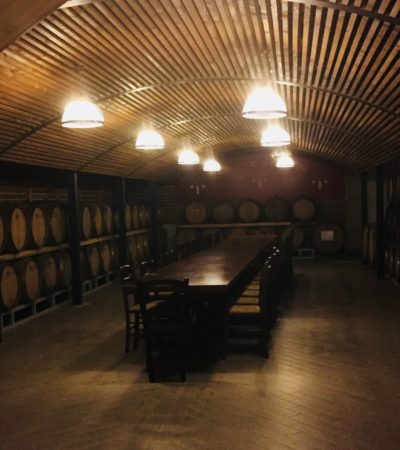
He regarded my attitude  as polite, but I explained it was a pleasure for me.  It was also  a way to thank him for his dedicating time to me.  We ended our time in the barrique cellar of his winery , where I finished my friendly interview writing down as much as I could. Pietro’ s passion and love for his job and land emerged from his words.

Pietro wants to pursuit his dream to get better and better.  If only one day the Italian government , in Sardinia as in the rest of the nation, could provide financial and legislative  support for the development of enterprise policies.

Pietro and Valeria are strongly attached to their  native land but open minded by nature . I hope their courageous choice to invest all the necessary efforts in ensuring the implementation of their projects and ideas   will find support in a fair and  effective  policy  at local and national level, as soon as possible.

His was the sort of honesty  speech that does one good and it was lightened with a glass of Canonau . Valeria returned to take me back in Alghero. So, I said goodbye to Pietro, a smart and multi-faced man. I knew that this was not a farewell.

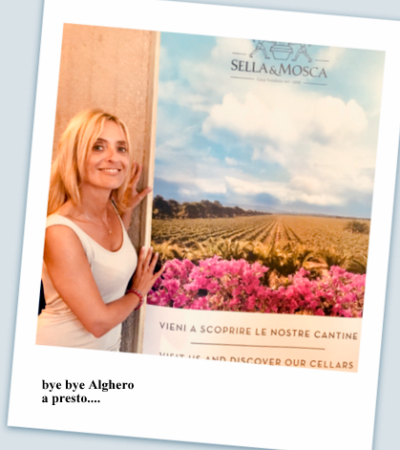
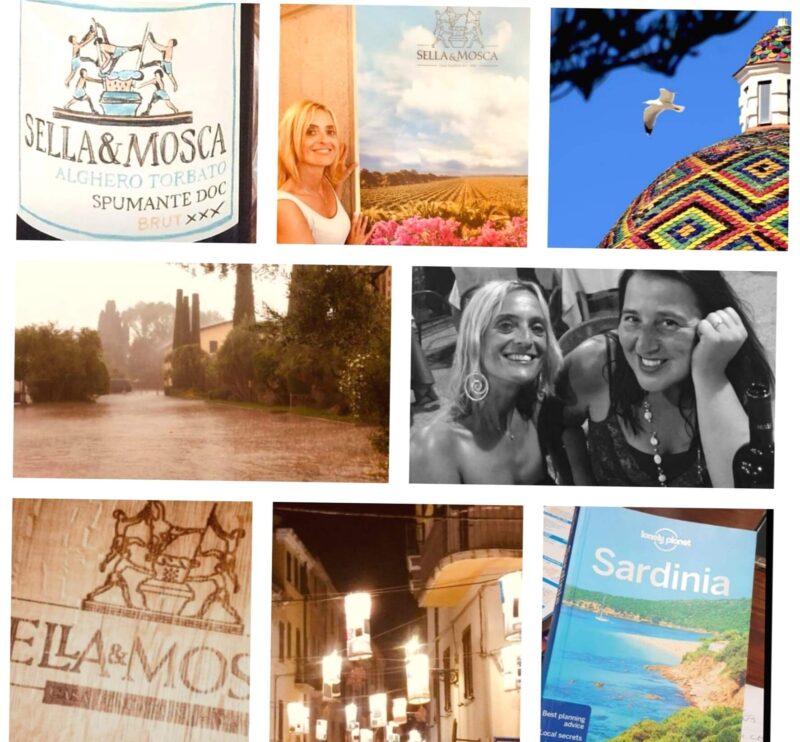
‘Tenuta Sella & Mosca’ winery. The Torbato of Alghero

Sardinia is an island that strikes its visitors with natural contrasts, the lights and colors of a region that boasts old traditions and a wild and pure nature.  Sardinia is a land full of archaic wine traditions.  Sardinia offers fascinating wines, it merits to be considered as one of Italy´s most unique wine regions.

There are international varieties and  indigenous grapes, such as Bovale, CagnulariMonicaCarignano, and others. All this  makes it worth to go for a wine-discovery tour as I did  at ‘Tenuta Sella & Mosca’ .

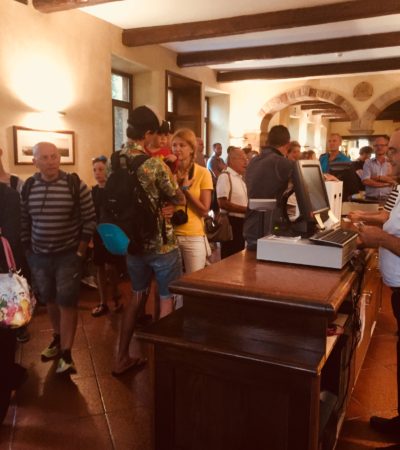
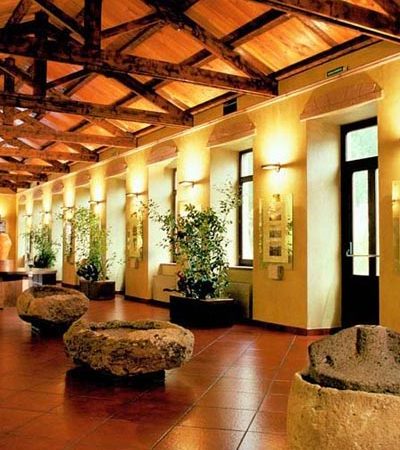
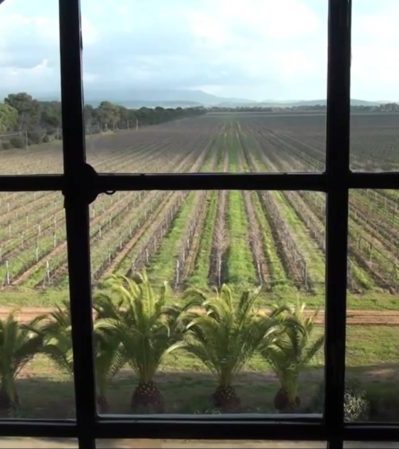
‘Tenuta Sella & Mosca’  was a nice place to visit, they offered a free tour in their estate and I liked it a lot despite the rain. ‘Tenuta Sella & Mosca’  was  founded in 1899 . It is the second largest contiguous vineyard in Italy and one of the largest wineries in Europe – it is a 1,600-acre property with more than 1,200 acres of Wines.

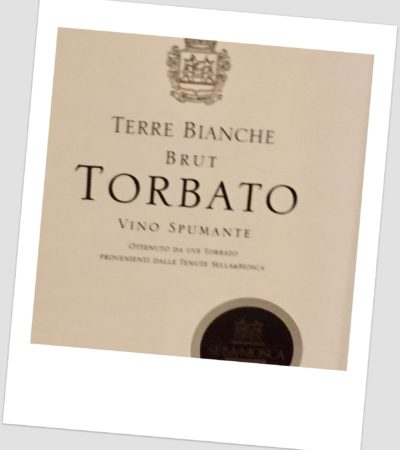
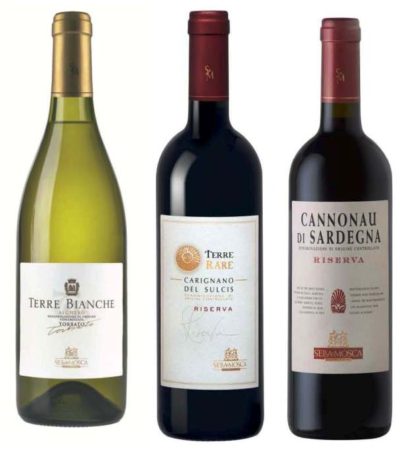
From vibrant whites to nuanced reds, ‘Tenuta Sella & Mosca’ has a Wine for every mood and meal. My favourite one is Torbato: a grape originally from Spain with only about 200 acres left in the world. Torbato produces refreshing, pale-straw wine marked by white flowers and hints of sea minerals.

The sparkling version is a must as an aperitif but there are also still versions–ranging from gentle, mid-low body to richer, creamier versions. All are definitely worth trying with light fish appetizers, oysters, and clam spaghetti!

Alghero in my heart. Always!

For my last night in Alghero , I spend long hours meditating the goods things in life with Valeria, then after a drink  and an appetizer in a bar , I went to bed .

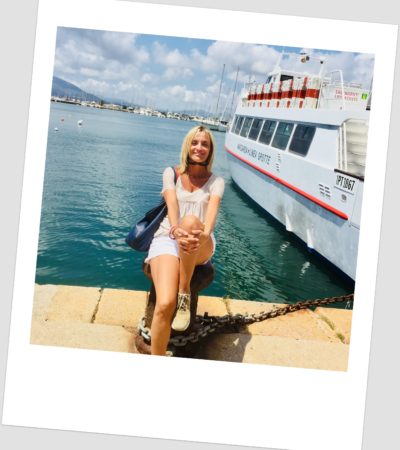
When the alarm clock rang at 5 o’clock in the morning, I realized I had to leave Alghero. Before to get the airport, I relaxed at the harbour edge while I was investigating  the best picture angles for my  last photos.

As I sat on the bench gazing at the rocky faced hills across the harbour, a local fisherman jumped down from his boat and strolled past. His nutty brown skin indicated a life on the sea, his complete lack of self  consciousness as he sang aloud. I lapsed into a fantasy of a  simple  village life.

Give me a week here, and I’m quite sure I’d sing along! I didn’t really know what to expect, but it’s safe to say this city far , exceeded my expectations.

If you like my blog, please subscribe to my channel here below   


La ‘Cantina di Roberto Cipresso’. La teoria rivoluzionaria del parallelo 43

La ‘Cantina di Roberto Cipresso’. La teoria rivoluzionaria del parallelo 43

La ‘Cantina di Roberto Cipresso’ un modo rivoluzionario di fare vino! 

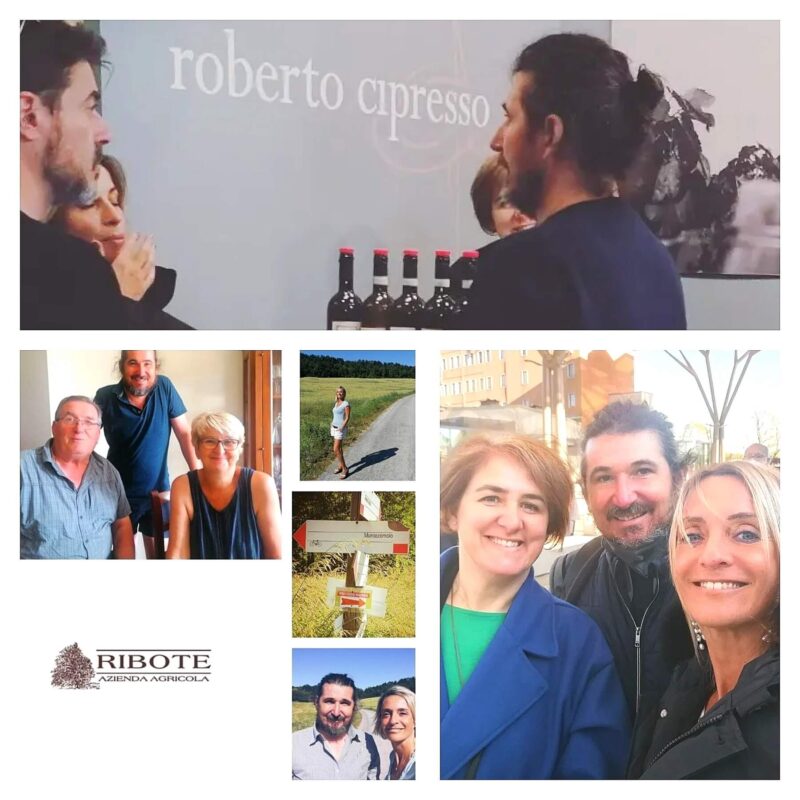
Fabio mi porta in macchina nella cantina di Roberto denominata ‘Cipresso 43’, situata a pochi passi da ‘Poggio al Sole’.  Si trova esattamente in Località Bivio dell’Asso, 53024 . Qui trovo Roberto  all’entrata con il suo inconfondibile sorriso .

Ci sediamo su un gradino e Roberto . Ed ecco che mi anticipa che il nuovo marchio delle sue creazioni sarà  denominato ‘La Cantina di Roberto Cipresso’ . Ciò al fine di  un più immediato riconoscimento del suo laboratorio divino. Vista la sua crescente notorietà. Questo è un piccolo anticipo di quello che bolle in pentola!

La ‘Teoria rivoluzionaria  del parallelo 43’ 

‘La Cantina di Roberto Cipresso’ , a breve sarà operativa! Intanto Roberto mi spiega meglio con il suo fare gentile l’asse portante della sua filosofia aziendale ovvero la sperimentazione e la ‘Teoria del parallelo 43′:

“Quando assaggio un vino eccellente, mi chiedo qual è la sua posizione geografica, non la parcella di vigneto da cui proviene. La mia visione di terroir è ampia, perché basata su coltivazioni allineate su uno stesso orizzonte, il parallelo 43.

Un ambiente pedoclimatico diffuso di cui, in collaborazione con l’Università di Firenze, sto tuttora studiando tutte le caratteristiche, vale a dire la geografia, la geologia, le altitudini, l’orografia, il clima.  Il parallelo 43 è una linea immaginaria, che passa attraverso tutte le tappe fondamentali della viticoltura, dalla Mesopotamia agli Stati Uniti. 

Un filo magico, che avvolge tutto il globo, e ci fa viaggiare dal Tigri e l’Eufrate (nel massiccio del Monte Tauro ci sono state le prime forme di viticoltura) e si arresta all’Oregon (la capitale del vino del nuovo mondo), dopo avere toccato regioni con uve sacre come  Croazia (Plavac Mali), Marche, Umbria, Toscana (Montepulciano, Sagrantino e Sangiovese) , Corsica, Midì francese (Viogner e Grenache) e i Paesi Baschi (Txacoli).

Non sono religioso, ma credo ci sia qualcosa di mistico, sovrannaturale nel parallelo 43, se è vero che su questa asse si adagiano Medjugorje, Assisi, Santiago De Compostela e Lourdes”.

La ‘Quadratura del Cerchio’

Esiste un vino perfetto? No, ma si può imparare a farlo! 

‘La Cantina di Roberto Cipresso’  mira a creare un vino inimitabile a partire dai terroir più vigorosi ed espressivi del parallelo 43°, all’interno del quale i requisiti propri dei singoli componenti si esaltano l’uno con l’altro anziché ottenebrarsi a vicenda.

Si tratta di un concetto quasi rivoluzionario, che scandalizzò quando nel 1995 venne fuori ‘La Quadratura del Cerchio’, che:

Non si può raggiungere la perfezione, ma ci si può provare.  Così come non si può ottenere un cerchio da un quadrato a meno che non lo si smonti in puntini! Roberto monta i suoi vini brevettando delle quadrature perfettibili, e li smonta nuovamente fino a quando non è del tutto soddisfatto. Roberto vuole offrire qualcosa di insolito, sorprendente e speciale, e si cimenta con la testa, con l’anima e l’istinto.

André Tchelistcheff , un maestro di vino e di vita

Roberto  si sforza di rincorre continuamente il vento giusto. Come quando scoprì un trattato di André Tchelistcheff. In questo scritto  il famoso enologo russo discuteva sulle possibili forme di supertuscan negli USA ! Roberto  sposò le convinzioni del maestro e le mise in pratica. Come? Abbinando il Sangiovese  alla versione italiana dello Zinfandel,   ovvero il Primitivo di Manduria.

Roberto lotta per scovare le armi e le tattiche giuste per essere più che un vincitore un bravo stratega nel fare vino. Roberto  studia, coopera con Università, ed esplora, mantenendo il suo porto fermo a Montalcino. Da cui però si allontana come un marinaio per compiere altre gesta del vino.

Come quelle fatte in più di venti regioni italiane e oltre confine in Croazia, Brasile, Spagna, Romania, California, Perù, Turchia, Slovacchia, Cile. Ma per lo più in Argentina ( ‘Achaval Ferrer’ e ‘Matervini) e Brasile (‘Bellavista Estate).

Con l’aiuto di altri imprenditori, in ognuno di questi anfratti sperduti e lontani, Roberto aspira a valorizzare il più remoto dei terroir . E anche a  generare a vini di carattere, dal Malbec argentino alla Dorona veneziana .

Oltre ad avere ricevuto tantissimi premi e scritto molti libri , Roberto riveste un ruolo importante nel panorama enoico italiano. DNel 1990 fondò  ‘Winemaking’ , un gruppo di consulenza vitivinicola. Questo poi fu ribattezato  ‘Cipresso 43’  nel 2001. Che dire ,  Roberto   è stato sempre un fiume in piena , che è ancora pronto ad esondare!

La cantina di Roberto Ci
‘La Cantina di Roberto Cipresso’

La nuova ‘Cantina di Roberto Cipresso’. Cosa bolle in pentola!

Siamo nella cantina  ‘Cipresso 43’ . Questa è senz’altro  un punto di riferimento per i vignaiuoli, che, in assenza momentanea degli strumenti giusti, vogliono provare a vinificare, mettendo alla prova le loro potenzialità. Ci addentriamo nella lounge degustazione per un’apericena di benvenuto. L’atmosfera è intima e raccolta con musica jazz in sottofondo. Particolare è l’arredamento decisamente urban chic:

  • un lungo tavolo in legno;
  • foto e quadri d’autore per tutto il corridoio.

Sbalorditiva è l’adiacente  ‘Terroteca’, una collezione di ampolle in vetro con  tutti i terreni calpestati da Roberto durante i suoi sopralluoghi professionali.

Bollicine di Sangiovese per andare altrove a Milano e tornare giù Montalcino!

Al bancone di materiale riciclato  Roberto stappa e mi versa le soavi bollicine del suo ‘Altrove’.  Esso è un metodo Charmat  del cru di Brunello a ‘Poggio al Sole’ .  Proseguendo la visita della sala, Roberto mi svela finalmente i suoi quattro piani  segreti:

  1. ‘Milano da bere’: Roberto vuole installare dei  vitigni pensili sulle terrazze dei più colossali e importanti grattacieli nella zona vip di ‘City Life’. Questa è a Portello , nord-ovest della metropoli. Un altro mega progetto fatto in collaborazione con  noto otorino milanese. Per questo intento,  Roberto sta allevando delle uve speciali , dette  Sauvignon  Kretos . Questa è una varietà particolare di uve resistenti alle malattie (dette PWI, dal tedesco ‘pilzwiderstandfähig’, ossia ‘viti resistenti ai funghi’) ;
  2. ‘Eureka’: è una linea di bottiglie di 35 uve vinificate senza scopi commerciali destinate a un club di wine experts per un totale di 4000 aderenti , che vi accederanno tramite tesserà;
  3. ‘Parco del parallelo 43’: se c’è una cosa a cui   Roberto è allergico è la monotonia ! Come la geometria perenne delle Langhe.! Se c’è una cosa che per Roberto è un credo, questa è la sostenibilità in tre fattori:
  • impatto ambientale della coltivazione,;
  • tollerabilità economica dell’operazione;
  • sfruttamento consapevole della terra.

Con queste premesse è facile innamorarsi di un altro spettacolo che spunterà a breve a  Montalcino:

 Brunello e  Rosso di Montalcino firmati  Roberto Cipresso

Cena sarda a Montalcino, ‘Osteria dei Briganti’

Fare due chiacchiere con Roberto è un attimo di crescita culturale e spirituale, al prezzo di una sbornia. Perché letteralmente ti ubriaca. Ci si può avvicinare a Roberto  , se si possiede la giusta dose di empatia e si è on wine , ovvero collegati al vino! Il vino  è infatti primae una  bevanda seduttrice e  un’opera d’arte .

Roberto è un vulcano e se qualche volta avete la fortuna come me di beccarlo in pausa fumante, approfittatene, prima che riprenda a scoppiettare! Anche Roberto è un essere umano, non preoccupatevi, specie se ha fame! Lo stomaco brontola, e allora si decide per una cena sarda nell’ ‘Osteria dei Briganti e dei Poeti’:  porcheddu e patate esaltato da un  Savigny Les Beaune ler Cru Les Narbantons Domaine Mongeard Mugneret’ , un  Pinot Nero da urlo!

Risveglio a ‘Poggio al Sole’. Brunello e  Rosso di Montalcino firmati  Roberto Cipresso

L’indomani la tranquillità a ‘Poggio al Sole’ è distratta dalla piacevole incursione di clienti di Padova e Bologna. Questi hanno giustamente selezionato questo buen ritiro per staccare la spina. Faccio colazione con caffè nero bollente e delle brioche calde , che Fabio mi omaggia prima di tuffarsi nella sua routine quotidiana.

Vedo dei bambini che inseguono Kyra, il barboncino di Roberto.  Le mamme sorvegliano i loro pargoli, beatamente sdraiate su dei dondoli. Stanno beate  all’ombra di ulivi per proteggere la loro pelle bianca dal sole settembrino, che ancora scotta.

Lascio la mia suite campestre e mi perdo nella natura della tenuta.  Passeggio tra grappoli, viste sconfinate e un silenzio rigenerante. Al mio rientro mi accingo verso la cucina all’aperto di  ‘Poggio al Sole’ . Attendo l’imbrunire per aiutare Roberto   e Fabio a imbandire una tavolata per il banchetto della sera.

I rossi di Roberto Cipresso: Brunello e Rosso di Montalcino

Sopraggiungono gli invitati, persone affabili e contenute all’inizio. Decisamente più allegre dopo i miei spaghetti alla mediterranea, la grigliata e i rossi di Roberto :
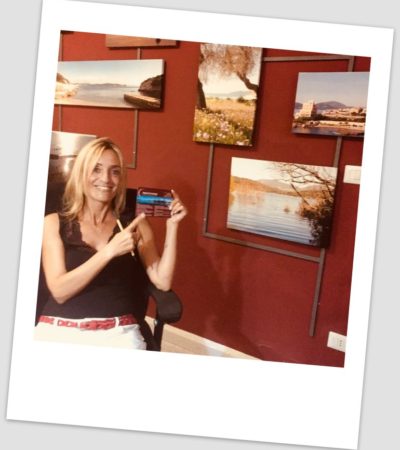
  • ‘Brunello di Montalcino 2018’: 100 % Sangiovese, con affinamento di un anno in barrique di rovere francese. Il colore è rosso rubino con riflessi granata, si apre al naso con le sue note di frutta rossa e liquirizia, cuoio, e cioccolato. I suoi tannini sono morbidi, al palato è strutturato e persistente;
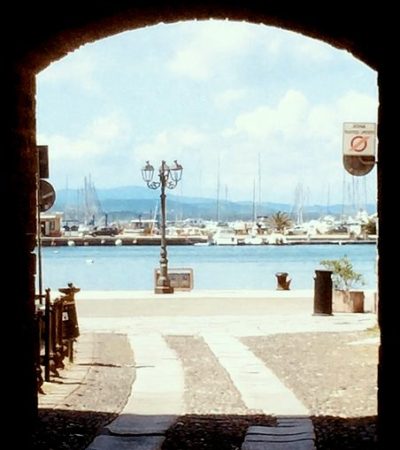
  • ‘Rosso di Montalcino’ : 100% Sangiovese, rosso rubino con sfumature porpora, all’olfatto molto intenso, sa di amarena e vaniglia.  Un vino che possiede una giusta acidità, delicato al palato, e che permane a lungo.

La ‘quadratura del cerchio’ non è solo un enigma! Si tratta   di un’ attitudine misurabile in tre vini! 

Quello che mi colpisce di Roberto oltre il talento, la classe e l’umiltà, è l’attenzione per i dettagli,  l’abilità di osservare le cose da un’altra prospettiva, l’ha appreso in montagna.

Come si è già accennato, un quadrato non può mai raggiungere l’area di un cerchio, per una semplice questione di Pi greco’, il numero irrazionale. Però si può osare ragionarci su! Per Roberto non è una questione di avere per forza una soluzione a un problema, ma di avvicinarsi quanto più si può alla verità.

D’altra parte, questo anelito alla conoscenza ha spinto  Roberto  alla creatività nel vino, alla maestria di migliorarlo, dosando le peculiarità singolari di ogni vitigno.

4 vini di Roberto Cipresso  fuori dal comune 

Ne risultano dei sorsi sorprendenti, come quelli di questi tesori decantati da Roberto  a un gruppo di giovani wine experts  l’ultimo giorno prima della mia permanenza:

1. ‘Punto Bianco 2020’:un matrimonio perfetto tra la verticalità e l’ossatura del Vermentino Toscano e la vivacità del Verdicchio Marchigiano, i due vitigni autoctoni del parallelo 43, quelli che più esprimono la storicità delle lande attraversate da questa linea magica.

Il valore aggiunto di due mari che s’incontrano, l’Adriatico e il Tirreno in un calice che fa stupire. Sono due terroir diversi che però si amalgamano nello stesso parallelo e vibrano. Giallo paglierino scarico, al naso note floreali di tiglio e acacia con piacevoli sensazioni aromatiche di basilico.

La beva denota una buona freschezza con l’equilibrio leggermente spostato su mineralità e sapidità. Con affinamento di otto mesi in contenitori di acciaio, è un bianco di buon corpo, gradevole e contemporaneo;

2. ‘Punto Rosso  2019’ : la sensualità e l’acidità del Sangiovese Toscano prende forza e vigore grazie al Montepulciano Marchigiano, che lo arricchisce con la sua carnosità . Pensato come vino da mescita, questo vino è un passepartout , cioè sta bene con tutto.

Un rosso dal colore rubino, dai sentori olfattivi schietti e intensi, con profumi fruttati e sfumature delicatamente speziate. In bocca ha un buon corpo, mostra una media tannicità e una buona finitura;

3. ‘Pi Greco 2012’ : è un Sangiovese da San Quirico d’Orcia in purezza , un tripudio di spezie, frutta nera e rossa, fichi . Esso ha una buona acidità, e non vuole confrontarsi con le grandi DOC e DOCG dell’impero toscano.

Prende quindi un’altra strada, un rischio calcolato nelle complessità, nelle altitudini e in terroir finora poco valorizzati, che però esprimono un carattere personale e percettibile.

4. ‘Quadratura 2017’: Sangiovese di San Quirico d’Orcia (SI); Montepulciano di Moresco (FM) e Sagrantino di Spello (PG) , le tre uve autoctone più rinomate del nostro bel paese. La scommessa è stata quella di co-fermentarle tutta sulla stessa frequenza, quella del parallelo 43.

Un’accordatura che ha l’ambizione di rivelare il massimo bilanciamento. Una sorta di metamorfosi fermentativa di tre uve apparentemente distanti ma, nel risultato finale, molto affini. Il colore è di un rosso prepotente, all’olfatto è raffinato con il suo pepe e tabacco al mentolo.

Energico e ben rispondente, è un rosso che sfodera una morbidezza sinuosa e tannini abbondanti quanto vellutati. Freschezza senza cedimenti e struttura compatta lasciano presagire grande potenziale evolutivo.

Bisogna alzare lo sguardo in cielo per vedere le stelle

Bisogna alzare lo sguardo in cielo per vedere le stelle

Non è solo una questione di determinazione, passione e duro lavoro se Roberto    ha sempre ottenuto ciò che ha voluto.  Ci vuole sensibilità e apertura mentale. Roberto è un visionario, guarda in alto le stelle, immagina la realtà diversamente dagli altri, mette in discussione sempre. Impara, mischia, mescola e shakera, ci crede e poi lo fa!

Mi auguro per lui  che ogni tanto possa fermarsi per godere della bellezza di cui si è circondato, ma non sarà mai forse fattibile.

If you like my post, please subscribe to the socials of www.WeLoveitaly.eu :